Attention!
Cette vidéo est disponible en anglais seulement.
Description
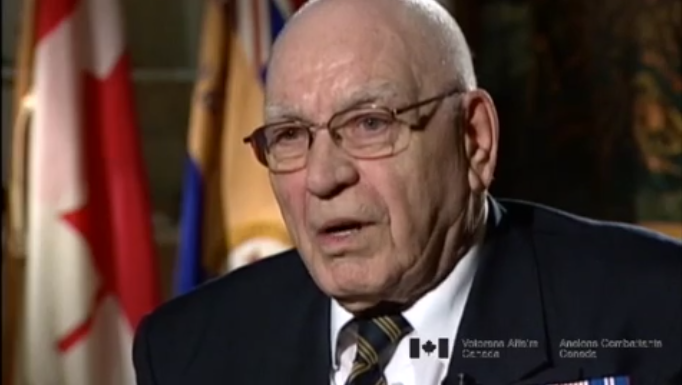
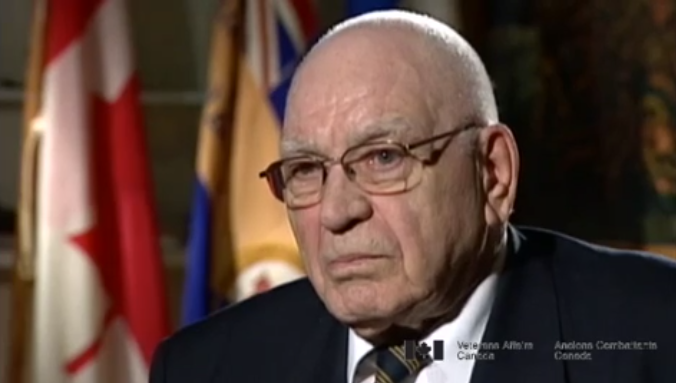
Mr. Paterson talks about the differences between working for the UN vs NATO.
Transcription
I didn’t find myself in a NATO operation until some years after the United Nations operation in Cyprus. So I guess that I operated at a different level really. So I wasn’t aware in Cyprus of the very rudimentary command capabilities and support capabilities of the United Nations for their deployed forces so to speak. Of course, I found in NATO that there were huge capabilities to support deployed forces and to command and control those forces. That was the big difference.
Interviewer: Well can you help us, you know people watching this tape and youngsters who might be studying UN and NATO, help us understand those differences?
Well in Europe in the NATO operation there were, I’m guessing, five hundred thousand deployed soldiers with a plan to bring in another million to support them. Those plans were all in place. There were five or six levels of headquarters designed to execute those plans ... make them happen. There were headquarters in each of the countries who were open twenty-four hours a day waiting to help those deployed forces if necessary. There was a continual re-jigging of the supply and support concepts to make them better. In the United Nations operations we were hard pressed to get a can of paint out of the supply system. We were there – my battalion was the fourth, six month group into Cyprus after the first war and we were living in tents. So two years after the introduction of United Nations forces we were still in tents. We did develop some corrugated steel shacks when I was there. So the difference in the supply system was radical. I understand in retrospect that if you phoned United Nations headquarters in New York in 1966, you wouldn’t have got anybody answering the phone after five o’clock. That’s since been rectified, but those were the differences with the two operations.
Interviewer: Well can you help us, you know people watching this tape and youngsters who might be studying UN and NATO, help us understand those differences?
Well in Europe in the NATO operation there were, I’m guessing, five hundred thousand deployed soldiers with a plan to bring in another million to support them. Those plans were all in place. There were five or six levels of headquarters designed to execute those plans ... make them happen. There were headquarters in each of the countries who were open twenty-four hours a day waiting to help those deployed forces if necessary. There was a continual re-jigging of the supply and support concepts to make them better. In the United Nations operations we were hard pressed to get a can of paint out of the supply system. We were there – my battalion was the fourth, six month group into Cyprus after the first war and we were living in tents. So two years after the introduction of United Nations forces we were still in tents. We did develop some corrugated steel shacks when I was there. So the difference in the supply system was radical. I understand in retrospect that if you phoned United Nations headquarters in New York in 1966, you wouldn’t have got anybody answering the phone after five o’clock. That’s since been rectified, but those were the differences with the two operations.
Catégories
UN vs NATO Operation
Médium
Video
Propriétaire
Veterans Affairs Canada
Guerre ou mission
Forces armées canadiennes
Emplacement géographique
Chypre
Personne interviewée
Tom Paterson
Branche
Armée
Unité ou navire
Infanterie
Military Rank
Major
Occupation
Infantry Officer
Durée
3:15