Attention!
Cette vidéo est disponible en anglais seulement.
Description
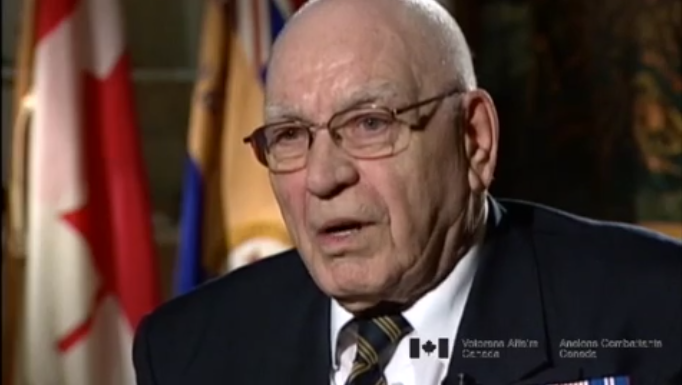
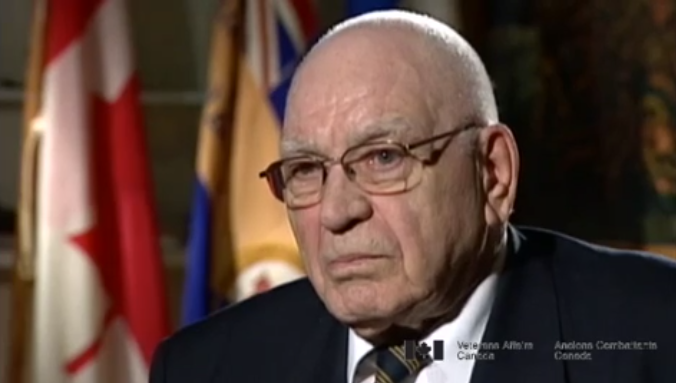
Mr. Henry describes his officer training and the rationale for “training for war”.
Transcription
It’s interesting because my generation of officers in the Canadian Forces were pretty well trained by the officers who did World War Two and they saw things a good bit different maybe than one would see them today. The concept of fighting in those days was that it was a combat team and the combat team consisted of the armour, the infantry, and the artillery and the engineers. Now the engineers their job primarily was to ensure we could keep moving by blowing up minefields in front of us and developing roads and stuff like that. The armour and the artillery worked very close together and so it was in your benefit to know what the guy in the infantry side, what his problems were and how hard it was to keep up with you, etc., etc., and he would sit in your turret, see what it was like sitting up there, trying to keep an eye on what he was doing. The same thing with the gunners, so we sort of just learned our trades, if you want to call it that way, and you learned three trades, really. No matter where you go, if you’ve trained well and if you are a professional then, and you go in and you do the job professionally as a soldier your opponents, if you want to call them that or the people you’re trying to impose your will upon, they’ll see that. They’ll understand and respond to that. So in protection, although they call it peacekeeping, the best way to prepare for peacekeeping is to train for war.
Catégories
Officer Training
Médium
Video
Propriétaire
Veterans Affairs Canada
Guerre ou mission
Seconde Guerre mondiale
Emplacement géographique
Hollande/Pays-Bas
Personne interviewée
William Henry
Branche
Armée
Unité ou navire
Lord Strathcona’s Horse
Military Rank
Major
Occupation
Observer, Controller
Durée
1:57