Attention!
Cette vidéo est disponible en anglais seulement.
Description
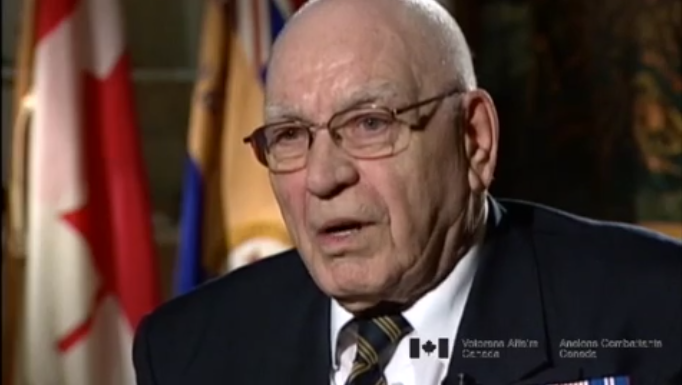
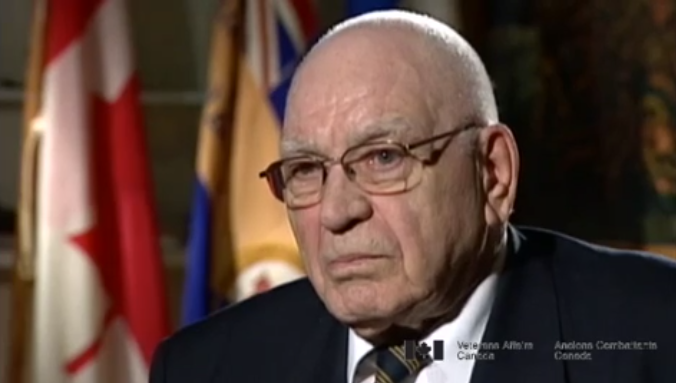
Mrs. Page talks about her love of nursing, and how much different it is today. She talks about nursing her own mother until her death at 108, and her hospital getting ready for D-Day.
Transcription
Oh, I adored it. I just adored it. I don't know, you're helping people, and if you have a good sense of humour, you get along with them, you get more out of them. It's, well I would never ever do anything else. I nursed my own mother till she was 108, just a few years ago.
Interviewer: My Lord, that's a good healthy run
Oh, it's great. I would, now today, this is the old-fashioned nursing, today it's a different story. They know more today, there's more equipment, there's more medicine, there's more everything. But, the nursing care isn't, we were trained in nursing care and we knew quite a lot, but nothing compared to what they have to study today. But they don't get the bedside nursing today like we did. We were interested in the patients as well, you see, and they don't have the chance today. It's not their fault, it's the way it goes.
We were at Horley, now just before D-Day, we emptied the hospital except for a couple of wards, so we knew something big was coming up, and a lot of our doctors had gone, and they didn't tell us, and then D-Day, as we say, we were all ready, and we were, I say we were on the direct line from the south coast so all the casualties came in to us and we really went to work. And we weren't there, I can't remember when we, we were, well after D-Day, we must have been there a month and then we were all scooped up and got into battle dress and stuff, went up to Yorkshire to train, so they thought, and they took us out on the parade square a couple of times, which was a dead loss, and we were preparing to go to France.
Interviewer: My Lord, that's a good healthy run
Oh, it's great. I would, now today, this is the old-fashioned nursing, today it's a different story. They know more today, there's more equipment, there's more medicine, there's more everything. But, the nursing care isn't, we were trained in nursing care and we knew quite a lot, but nothing compared to what they have to study today. But they don't get the bedside nursing today like we did. We were interested in the patients as well, you see, and they don't have the chance today. It's not their fault, it's the way it goes.
We were at Horley, now just before D-Day, we emptied the hospital except for a couple of wards, so we knew something big was coming up, and a lot of our doctors had gone, and they didn't tell us, and then D-Day, as we say, we were all ready, and we were, I say we were on the direct line from the south coast so all the casualties came in to us and we really went to work. And we weren't there, I can't remember when we, we were, well after D-Day, we must have been there a month and then we were all scooped up and got into battle dress and stuff, went up to Yorkshire to train, so they thought, and they took us out on the parade square a couple of times, which was a dead loss, and we were preparing to go to France.
Catégories
Nursing and how it has changed since the War
Médium
Video
Propriétaire
Veterans Affairs Canada
Guerre ou mission
Seconde Guerre mondiale
Emplacement géographique
Nord-ouest de l'Europe
Personne interviewée
Nancy de Boise Page
Branche
Armée
Occupation
Infirmière militaire
Durée
02:35