Attention!
Cette vidéo est disponible en anglais seulement.
Description
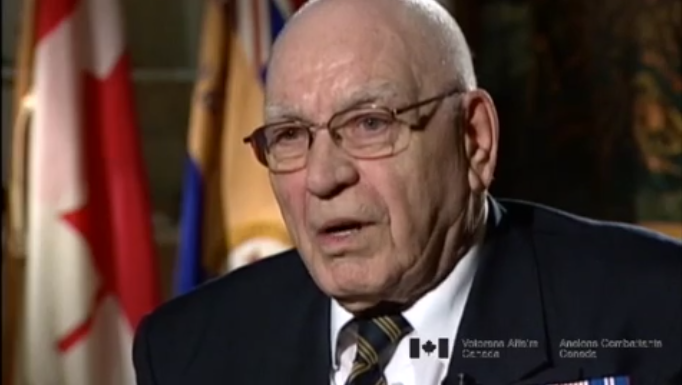
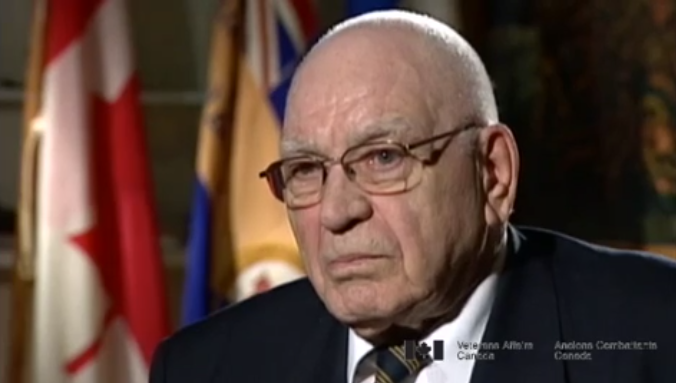
Mr. Slusar speaks about the culture shock he felt when trying to understand the customs of the local people in a city with very different surroundings.
Transcription
There really wasn’t too much training to go into the different cultural area let’s say. Most of the training, some of the training that we had anyway, was in Germany where we went on the economy, which is out on the normal towns and stuff like that. We actually did one huge exercise the first year I was in Germany, and you actually parked in people’s yards, slept in their barns as if you were at war and obviously you talked with the people and stuff like that. And that was quite different, but it still didn’t really get to the level of reality in Bosnia. It was just very different. You’d see somebody, we’d drop food at a warehouse one day and there would be like high shrubs around it in the park or whatever with a path and the next day you drive by and you’d see a dead body laying in the path. Well, you pretty well conclude that somebody went to pick up food, they were leaving, got shot and somebody took their food. You’re trying to think of why, you know, what would drive somebody to do that, you know. It was pretty bad in the sense that you would see a bus drive by and hear a shot or two, the bus would pull over and they would bring a body out of it because there were snipers there shooting at innocent women and children constantly. It just didn’t make sense in that respect, so it’s just trying to let that go and deal with what you had to deal with.
Catégories
Culture Shock
Médium
Video
Propriétaire
Veterans Affairs Canada
Guerre ou mission
Forces armées canadiennes
Emplacement géographique
Sarajevo
Campagne
Sarajevo
Personne interviewée
Clint Slusar
Branche
Armée
Unité ou navire
<em>Royal Canadian Regiment</em>
Military Rank
Corporal
Occupation
Carabinier
Durée
2:03