Attention!
Cette vidéo est disponible en anglais seulement.
Description
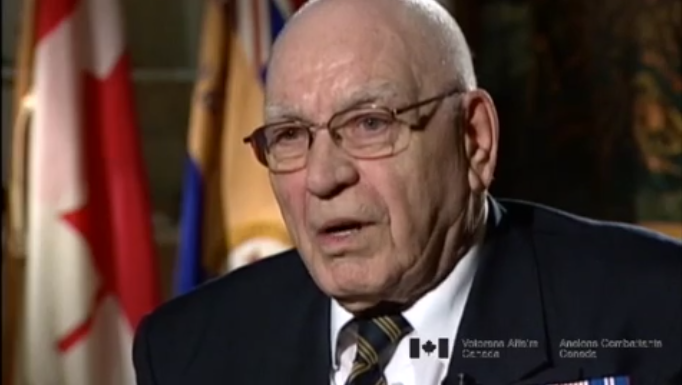
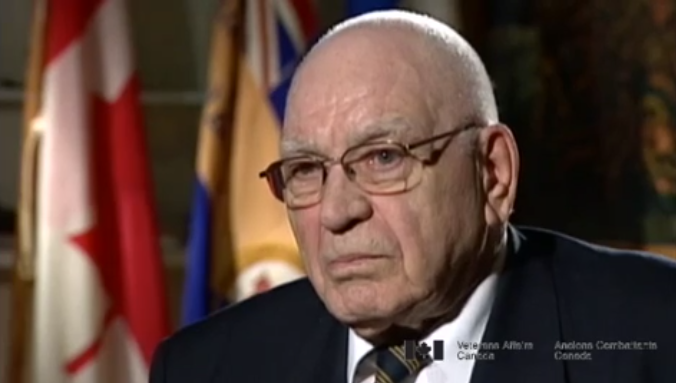
Ms. MacAulay talks briefly about post traumatic stress disorder, or battle fatigue, as it was better known during the Second World War.
Transcription
We didn’t know that. We didn’t have those words then. We just knew they were depressed or they just weren’t normal. I can remember, often the doctors would say, some men they were concerned about, they would say, “Talk to them and see if you can find out anything that we’re not getting. They should be getting better and have they any worries at home, whether it’s personal or financial or whatever or maybe they were not getting well... along well in their unit.” But, they said, “Try and find out.” So, this was probably that problem, but it was not recognized as that, then. So that was when you would be talking to the patients and we also found that if we were in the wards a lot and working with them, helping them make beds and so on, that they were much better. They were better and we were better because we had this contact so we used to be in the wards with them as much as possible.
Catégories
Battle Fatigue
Médium
Video
Propriétaire
Veterans Affairs Canada
Guerre ou mission
Seconde Guerre mondiale
Personne interviewée
Kathleen Jean MacAulay
Branche
Armée
Military Rank
Infirmier, infirmière
Occupation
Infirmière militaire
Durée
1:29