Attention!
Cette vidéo est disponible en anglais seulement.
Description
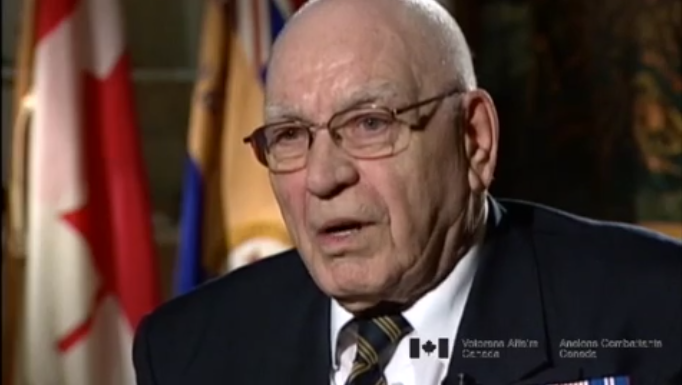
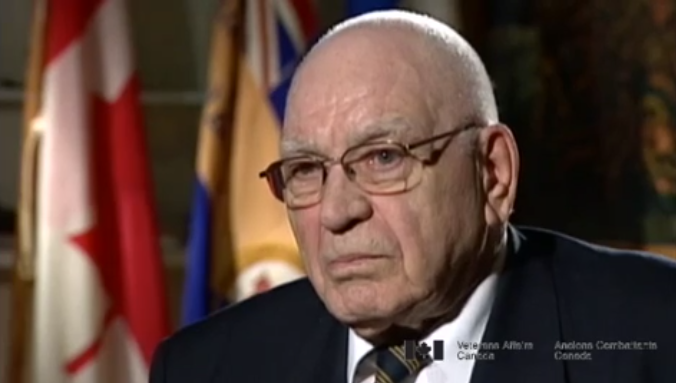
Accepting a position with Soldier On, Major Feyko tells about how it motivates him and how he supports other Veterans.
Transcription
I wanted to serve my country as much as I could. I ended up going in and the natural progression for an officer is really to do a staff job and there’s a lot of it in Ottawa and I wanted to move to Ottawa so I got posted into a position into Ottawa and I stayed there for seven years before I was offered the job with Soldier On. And, you know, I moved over there as a serving member, as a major to Soldier On and I could use my experience of what I went through being wounded in Afghanistan and help other ill and injured members through their recovery. I never could say that I can relate exactly to what they are going through but I’ve gone through my own challenges and I can help those individuals, you know, challenge themselves and be inspired and use sport as part of their recovery so I have been doing that for the last six years now. Soldier On has been around for ten years. It is picking up in popularity and it’s open for both serving members and retired members to take part of. Now sport, it’s really the vehicle for other things. At the end of the day I really believe it’s not about the actual sports but that’s the vehicle that we use to get ill and injured members connected. So we run the program and the first one is contacting ill and injured members and getting them to the program. This is the first challenge that we have. The second one, what we do is we run approximately sixty sport camps a year across the country internationally and regionally and those are meant to inspire and prove to people that one, yes your life has changed and there’s certain things that you can’t do exactly the same but you still can do them. There’s still the ability to do them. And the second one is that they are not alone so they are there with like-minded people that have gone, they have things in common like everybody served their country proudly and they’ve all been dramatically, their lives have been dramatically changed from their service. So those two things kind of, there’s an instant bond when they come to Soldier On and when you are wounded you are kind of set aside in isolation and have been told, okay go get better, go recover. We still have a task to do in the military and we need to do that but you need to go get better so you can re-join us or transition out. But that’s an isolating area to be in. It’s tough for a lot of injured members to be all of a sudden gung-ho, course loaded on all these courses, doing really well progression and all of a sudden they get injured and they can’t do that stuff anymore. So they’re down, that unknown is there from the injured member and they think what happens, am I going to be able to stay in the military, were these nightmares and terrors and sweats, are they going to last. How long, what’s going to happen to me? Am I going to fully recover or, all these unknowns. Soldier On is one of those things that can bring those people back together, they can talk about different strategies that they use and they can really have the feeling that, you know, I’m not alone because there are other people that have these challenges. Solider On itself can prove to the ill and injured community that they’re not alone because there’s Soldier On, there’s other programs out there that if you are willing to accept the help they’re here to help you get through those challenges.
Catégories
Contribution to Soldier On
Médium
Video
Propriétaire
Veterans Affairs Canada
Guerre ou mission
Afghanistan
Emplacement géographique
Afghanistan
Campagne
Afghanistan
Personne interviewée
Jay Feyko
Branche
Armée
Unité ou navire
3rd Battalion Royal Canadian Regiment
Military Rank
Commandant de peloton
Date d’enregistrement
Durée
3:51