Attention!
Cette vidéo est disponible en anglais seulement.
Description
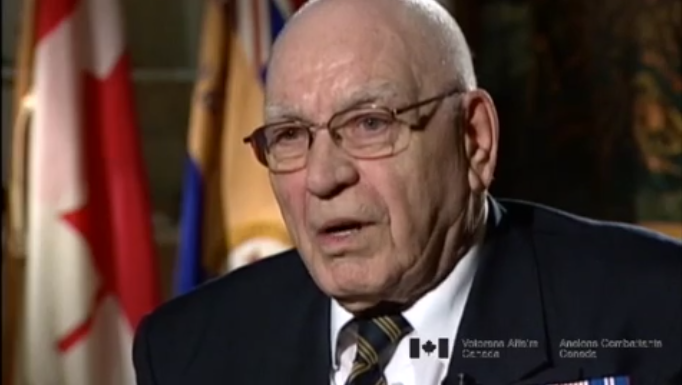
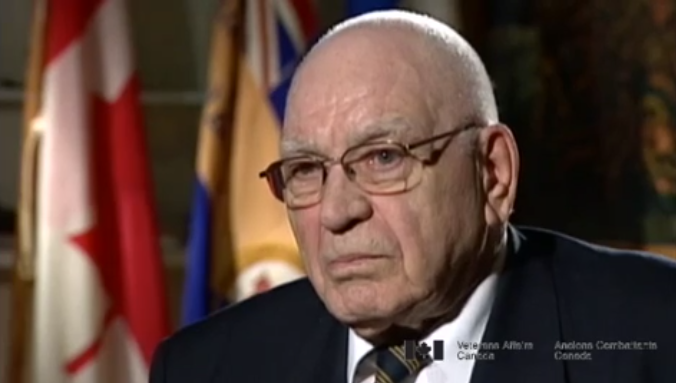
Major Mac Culloch expresses his thoughts on the time spent away from family and how it changes the lifestyle of all involved.
Wayne Mac Culloch
Le Major Wayne Mac Culloch est né en 1953 au Cap Breton et il a grandi au Québec. À 18 ans, il a fréquenté le Collège royal militaire pour ensuite s’enrôler en 1968, à titre d’ingénieur militaire. M. Mac Culloch a été déployé trois fois en Bosnie et une fois en Haïti. Il a pris sa retraite après 41 ans de service. Il a ensuite travaillé avec le Ministère de la Défense nationale. Depuis 2004, M. Mac Culloch est un bénévole dévoué pour présenter le “Module de la paix” avec le programme Rencontres du Canada, partageant avec les jeunes l’importance du service et du sacrifice.
Transcription
One of the things about coming back home was that you forget particularly when you have children that their lives march on quite dramatically in an absence anywhere from six to fourteen months. It’s very interesting to show back up and say oh well I’m back and I’m just going to pick up exactly where I left off because they will turn around and say it isn’t quite the same anymore. I am no longer ten years old I’m now eleven and so, you know, I’m now doing so many other different things. My first experience was quite a wakeup call as I mentioned and they were a little pointed at underlining the fact that their lives had continued and I needed to get back into gear. Subsequent missions were much easier because I learned the lesson once but it was actually more difficult for the families, me leaving than me coming home. One of the things that we have tried to overcome is the anticipation, excitement and in some cases outright happiness for guys preparing to go overseas. And from the member’s perspective you are about to go and do something that you have been training for for a long time so you are really keen to be able to go off and do these tasks now in the real world that are going to benefit real people. From the families perspective they can’t quite make sense of why you’re so happy to leave them. Again we’ve learned that lesson very quickly and now both for the families and for the members going overseas, we sensitise both the families and the members to the different points of view that people normally experience going over. Families don’t get the benefit of the training and the culture of camaraderie that the military members do. And whether it’s the husband or the wife who’s left at home trying to do the job of two parents, you know, there’s not enough time to go around in the day. And if you look at the other end of the scale for very young children, it’s very difficult to be without a parent for quite some time and when you hit the teenage years of course you’re missing that advice and guidance which may not always be welcomed but is
still, you miss it when it’s not there.
still, you miss it when it’s not there.
Catégories
Deployment and its Effect on Families
Médium
Video
Propriétaire
Veterans Affairs Canada
Guerre ou mission
Forces armées canadiennes
Emplacement géographique
Bosnie
Campagne
Bosnia
Personne interviewée
Wayne Mac Culloch
Branche
Forces Canadiennes
Military Rank
Major
Date d’enregistrement
Durée
3:12