Attention!
Cette vidéo est disponible en anglais seulement.
Description
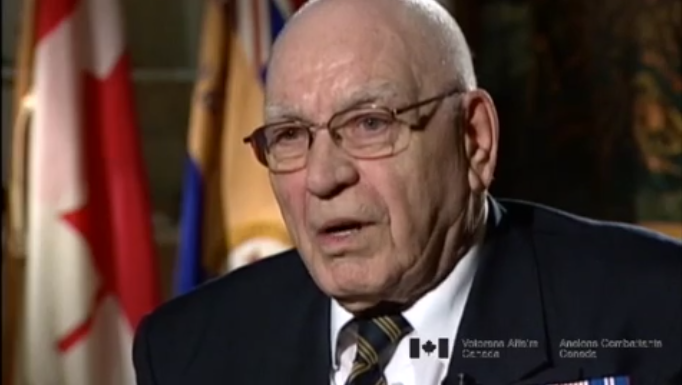
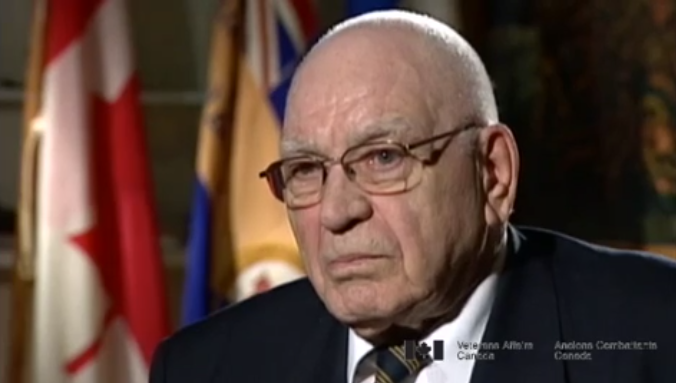
Thier sends a powerful message of what it’s like to live with PTSD and affects it brings for a lifetime.
Transcription
Interviewer: Is it difficult to identify with PTSD?
I don’t know why I can speak about it freely. A week after my accident like I said I was in quarantine in Amsterdam. The Air Force general walked into my room and, you know, he was a well-to-do, he was up there and, you know, he said, “Mike, looked I have news for you.” And I woke up and I was kind of groggy and I said, “Yes I already know my career is done.” He goes, “Good, a DVA rep is going to come and they are going to start processing your paperwork for your release and once all your surgeries are done…” So then my mind I am going oh my god but like I knew right away and I knew because my accident happened so young or young, I was 31, which is still very young in the military. I prepped myself from the day that I was coherent after the accident. I knew everything was done. I remember the first moment that I had PTSD. I remember what happened and it scared the shit out of me. I remember it vividly and my ex-wife Jodi at the time knows it too. I am not afraid to talk about it. I have to force myself at times. I break down. Sometimes it’s too much for people to hear about the indignities that we see in life because we can’t comprehend it, you know. And there’s guys that are physically worse off than I am, no legs, no arms. Aaron is blind right? Guys in Afghanistan lose their limbs and their legs plus they suffer from an OSI injury. You look at me and you go, “He’s not injured.” Oh yes I am broken.
I don’t know why I can speak about it freely. A week after my accident like I said I was in quarantine in Amsterdam. The Air Force general walked into my room and, you know, he was a well-to-do, he was up there and, you know, he said, “Mike, looked I have news for you.” And I woke up and I was kind of groggy and I said, “Yes I already know my career is done.” He goes, “Good, a DVA rep is going to come and they are going to start processing your paperwork for your release and once all your surgeries are done…” So then my mind I am going oh my god but like I knew right away and I knew because my accident happened so young or young, I was 31, which is still very young in the military. I prepped myself from the day that I was coherent after the accident. I knew everything was done. I remember the first moment that I had PTSD. I remember what happened and it scared the shit out of me. I remember it vividly and my ex-wife Jodi at the time knows it too. I am not afraid to talk about it. I have to force myself at times. I break down. Sometimes it’s too much for people to hear about the indignities that we see in life because we can’t comprehend it, you know. And there’s guys that are physically worse off than I am, no legs, no arms. Aaron is blind right? Guys in Afghanistan lose their limbs and their legs plus they suffer from an OSI injury. You look at me and you go, “He’s not injured.” Oh yes I am broken.
Catégories
Identifying with PTSD
Médium
Video
Propriétaire
Veterans Affairs Canada
Guerre ou mission
Forces armées canadiennes
Emplacement géographique
Canada
Personne interviewée
Michael Thier
Branche
Armée
Military Rank
Infantry
Occupation
Infantry soldier
Date d’enregistrement
Durée
2:18