
Service militaire
Lieu de l’enterrement/commemoration
Galerie numérique de Soldat John Fleming
-
Inscription
-
Vimy Memorial
-
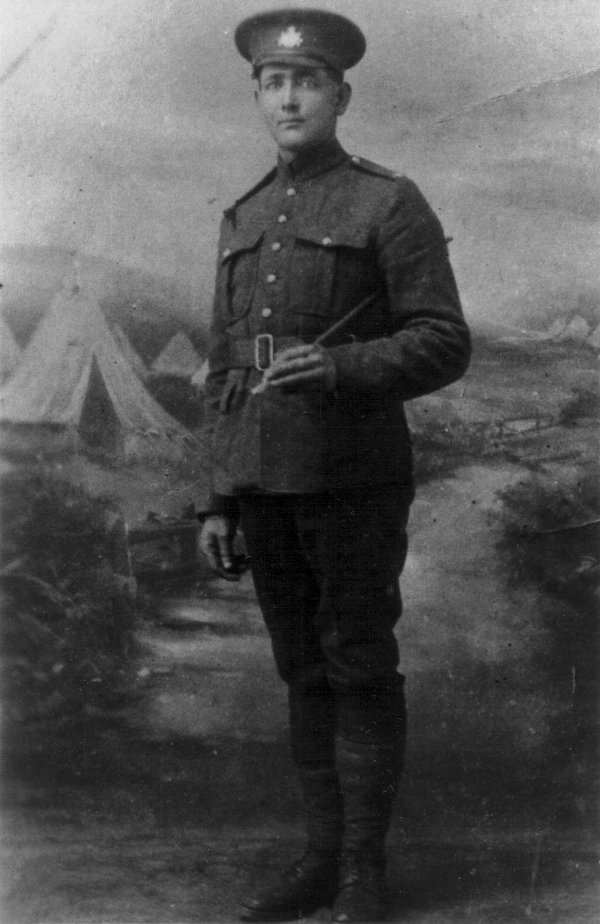
Photo of John Fleming
-
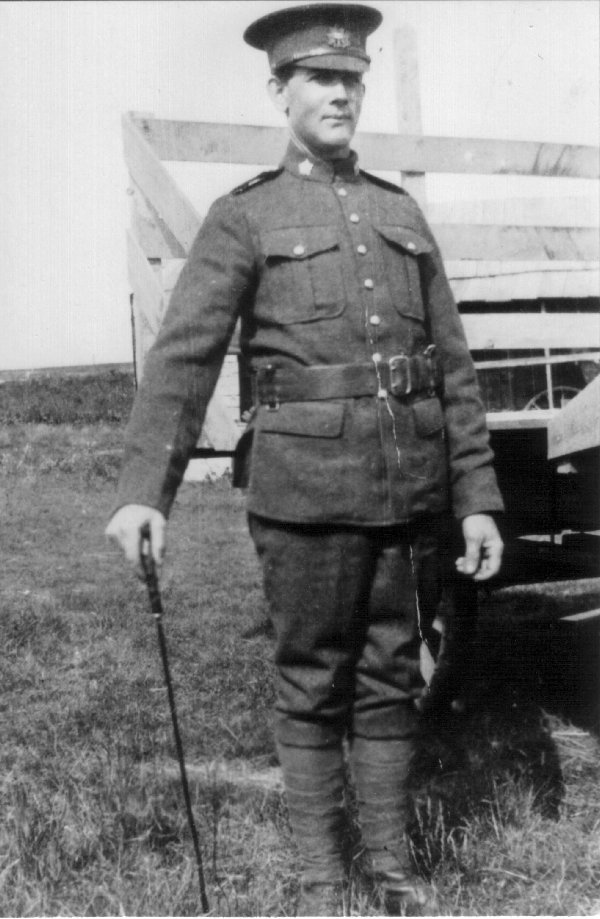
Photo of John Fleming
John Fleming en partant de l'Alberta pour la guerre. -
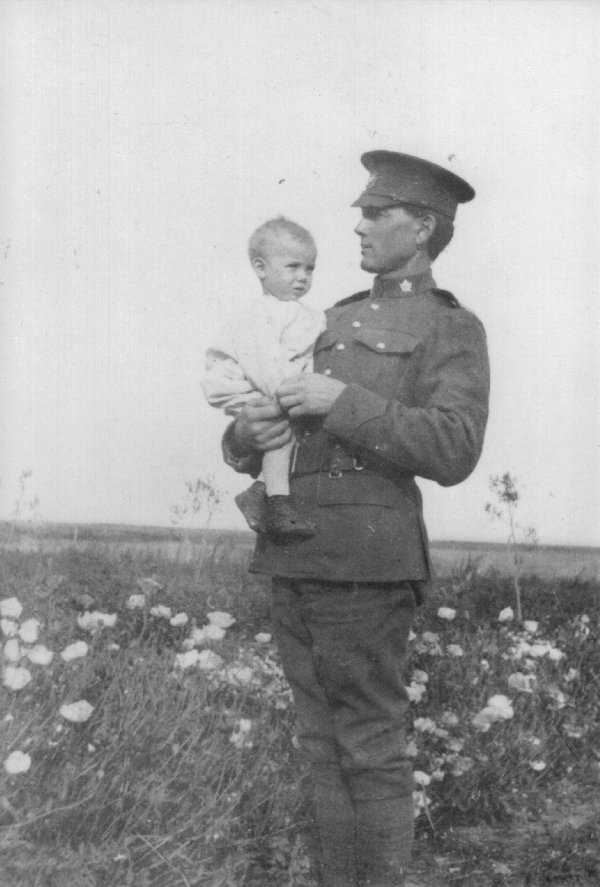
Photo of John Fleming
La dernière photo de notre grand-père (John Fleming) avant qu'il est parti de Coronation, Alberta pour la première guerre mondiale. Il tient son plus jeune enfant, John, et tristement est debout dans un champ de pavots. -
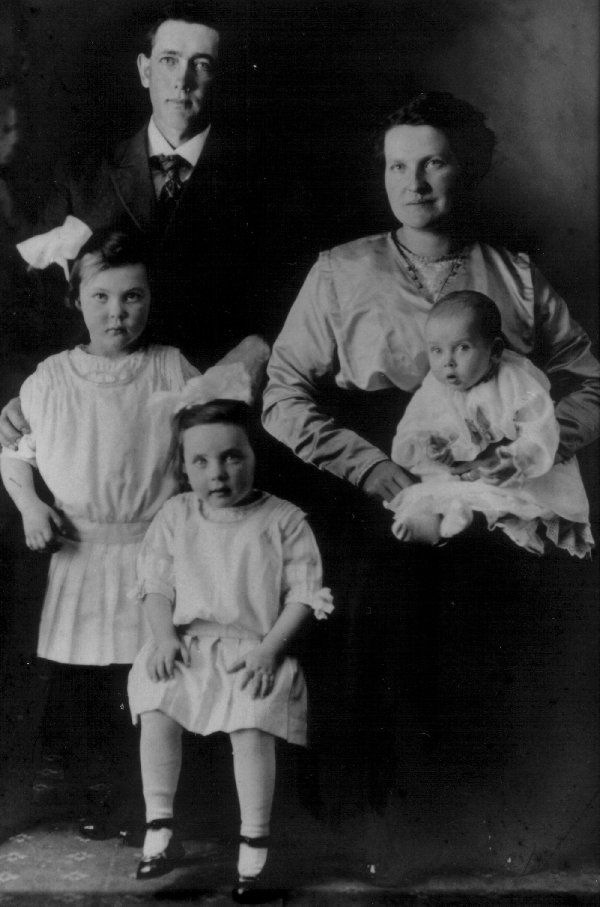
Family Photo
John Fleming avec son épouse Mabel Rebecca (Haney), filles Myrtle Isabelle (n. 1911) et Achsah May (n. 1913), et fils John Sanford (n. 1915). Les enfants avaient six, quatre et deux ans, respectivement, quand leur père est partie pour la guerre. -
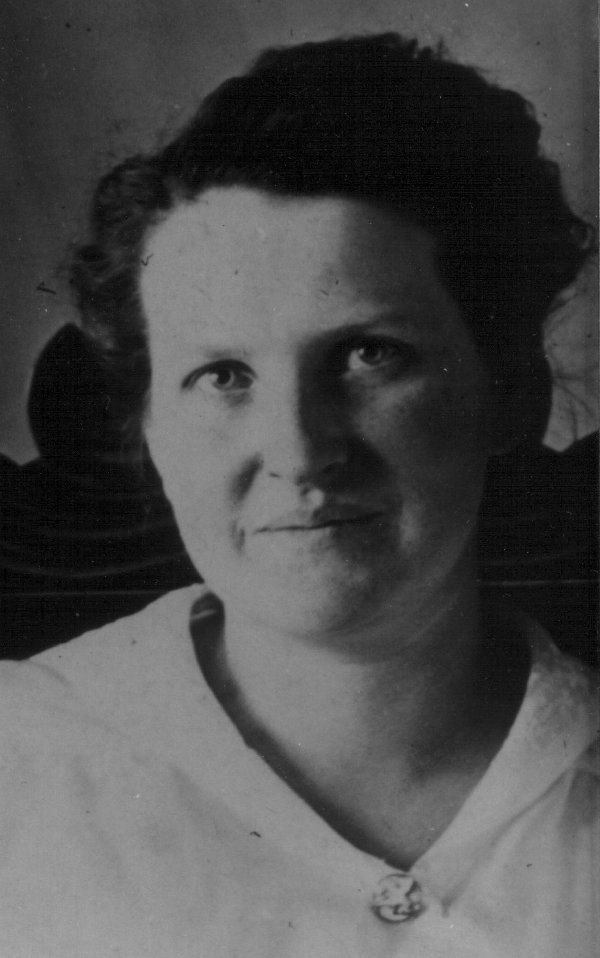
Photo of Mabel Rebecca Haney
Notre grand-père (fils cadet d'une famille d'agriculteurs de l'Ontario) s'installa dans l'Ouest pour cultiver la terre à Haneyville (Alberta), où il rencontra et épousa notre grand-mère, Mabel Rebecca Haney. -
Group Photo
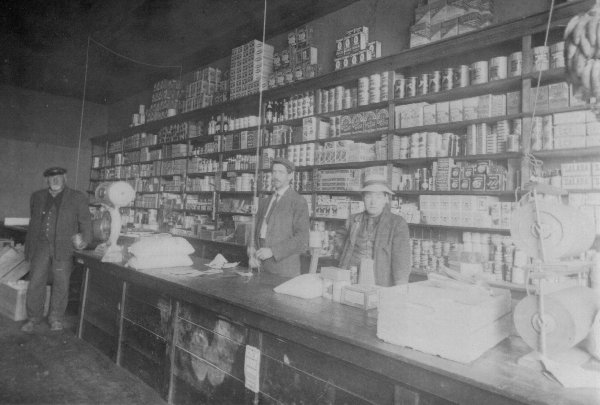
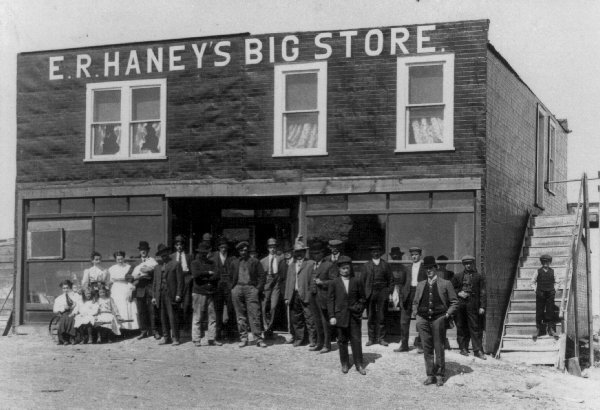
Étant donné que le chemin de fer récemment construit ne passait pas par Haneyville, bon nombre des bâtiments furent réinstallés à Coronation (Alberta). Le magasin du père de Mabel (E.R. Haney¿s Big Store) figuraient parmi ces bâtiments. Sur cette photographie, on peut voir le soldat John Fleming (au centre, avec la moustache) derrière le comptoir du magasin. -
Group Photo
-
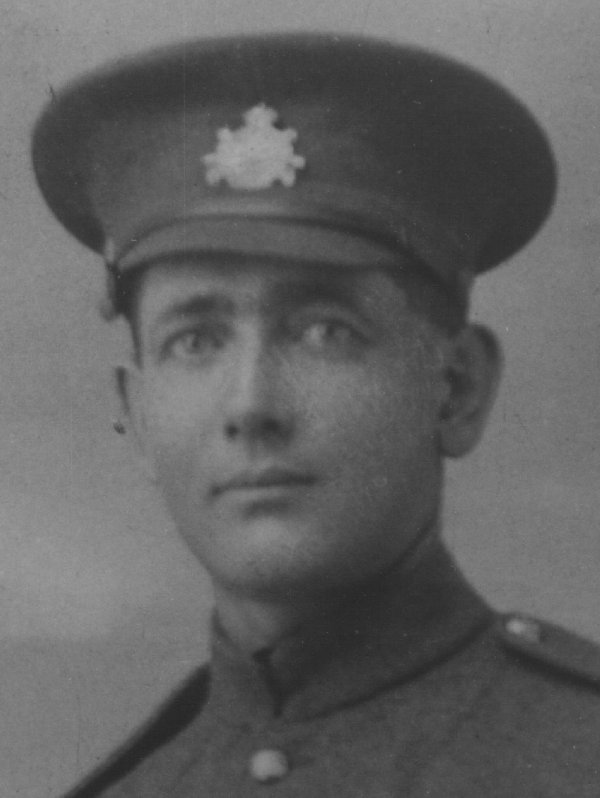
Photo of John Fleming
-
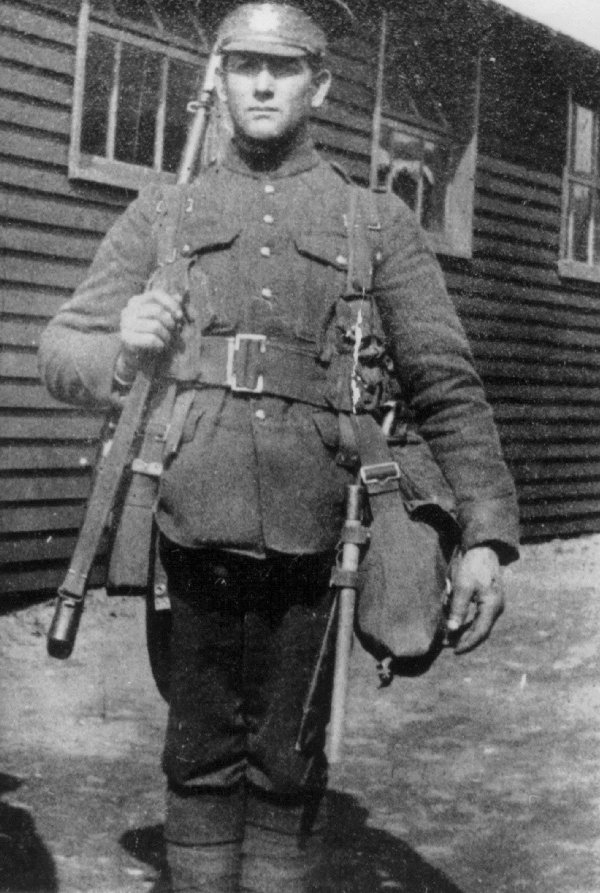
Photo of John Fleming
John Fleming de Coronation, Alberta. -
Group Photo
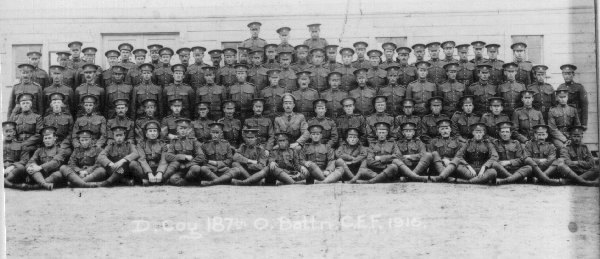
Le 187e bataillon étranger du Corps expéditionnaire canadien, en 1916. -

Group Photo
Gros plan de John Fleming (au centre, rangée supérieure) alors qu'il faisait partie du 187e bataillon étranger du Corps expéditionnaire canadien, en 1916. -
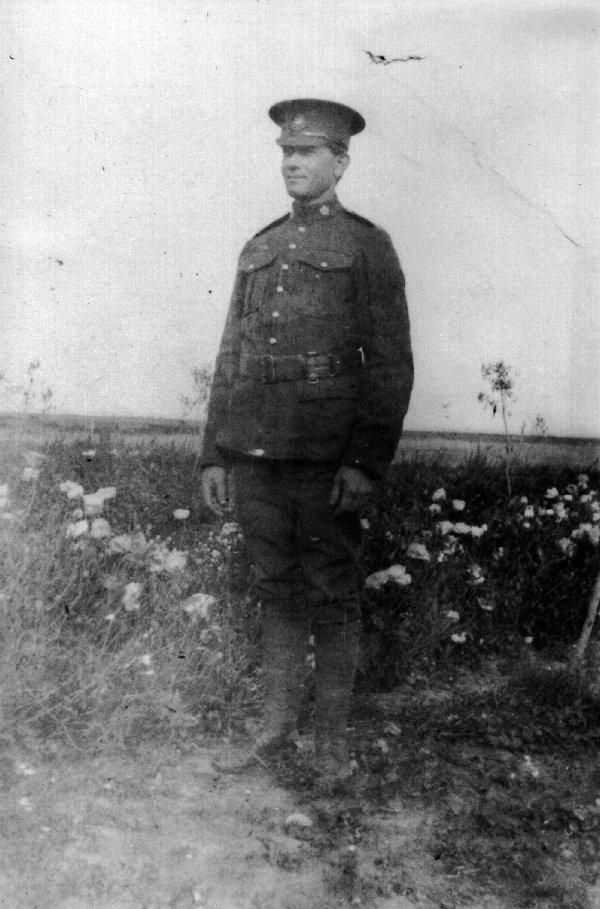
Photo of John Fleming
Une des deux dernière photos que la famille a prit de notre grand-père. Prophétiquement, il est dans un champ de pavots à l'Alberta. -
Family Photo
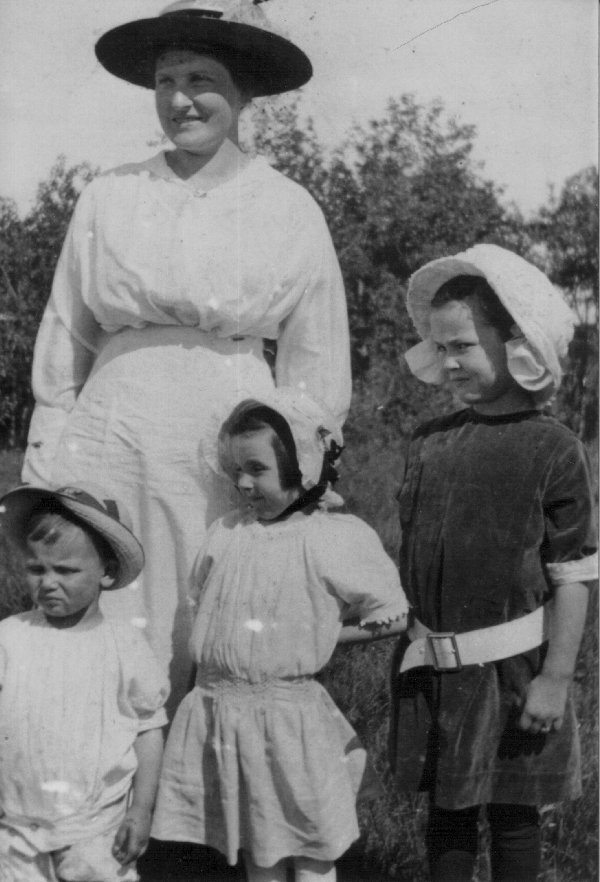
Mabel Fleming à Coronation, Alberta, avec enfants (de gauche à droite), John, Achsah et Myrtle. -
Family Photo
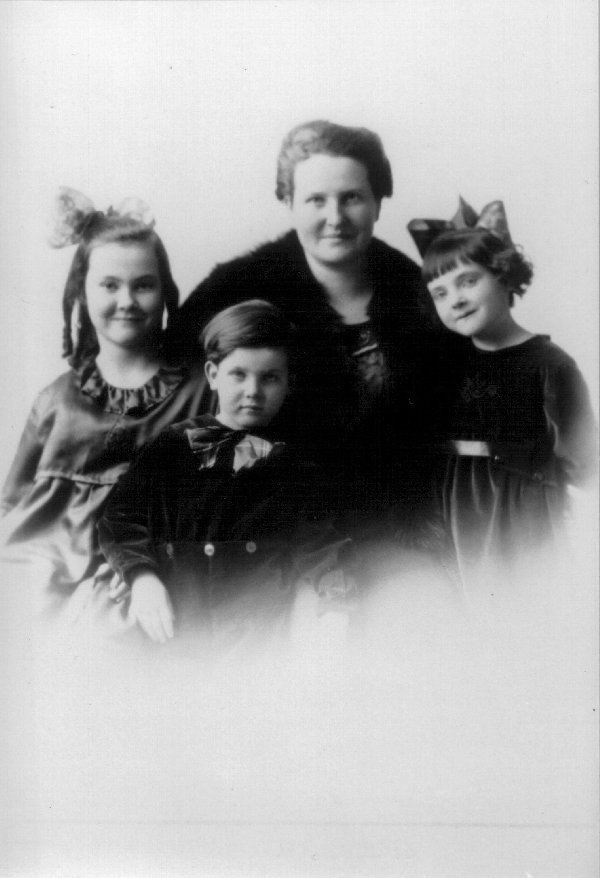
L'épouse de John, Mabel, à New Westminster (Colombie-Britannique), accompagnée (de gauche à droite) de ses enfants Myrtle, John et Achsah. En 1920, Mabel et les enfants s'installèrent dans l'Ouest, en Colombie-Britannique. Son mari avait été déclaré disparu au combat le 23 août 1917, et était présumé mort. Pendant des années après la mort présumée de John, des hôpitaux d'anciens combattants communiquèrent avec Mabel pour lui demander si elle pouvait venir identifier son époux parmi les patients traumatisés et anonymes qui s'y trouvaient. Elle ne trouva jamais son mari et ne se remaria jamais. -
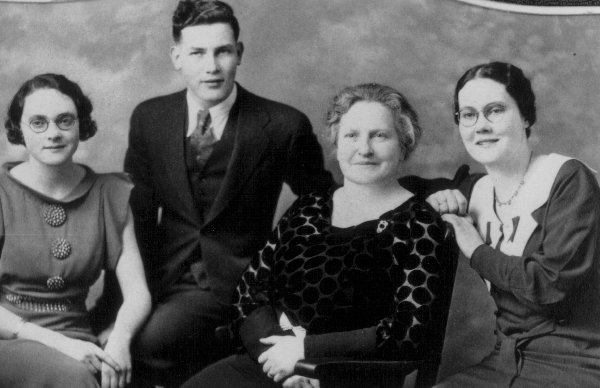
Family Photo
De gauche à droite, Achsah, John, Mabel et Myrtle Fleming à New Westminster, Colombie-Britannique. -
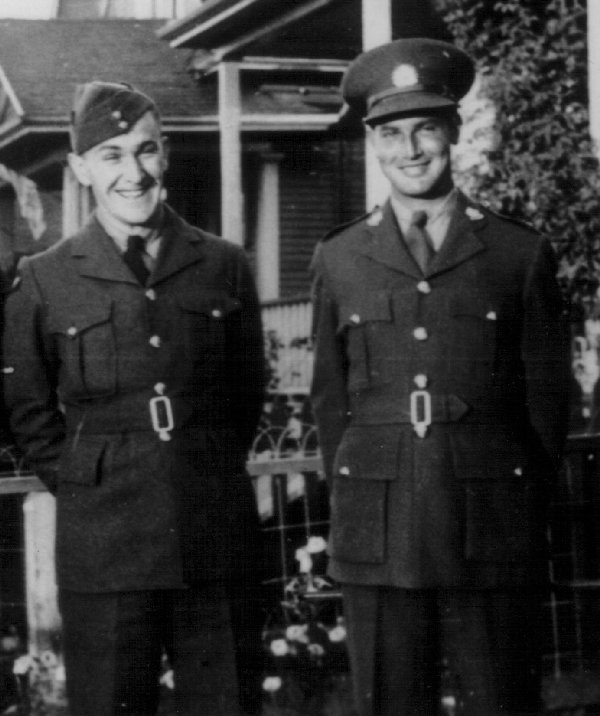
Group Photo
Le gendre de John et Mabel, Royle Smythe (à gauche), et leur fils John Fleming (à droite) ont servi tous les deux pendant la Seconde Guerre mondiale. Le lieutenant John Fleming fit partie d'abord du régiment de Westminster, mais fut transféré dans les North Nova Scotia Highlanders trois jours après le jour J. Il passa le reste de la Seconde Guerre mondiale au sein des Highlanders et fut promu au grade de capitaine en raison de ses exploits sur les champs de bataille. Le sergent Royle Smythe (époux de Achsah Fleming) fut transféré de l'armée aux forces aériennes en 1940, et fut affecté à titre de mécanicien des forces aériennes dans des centres d'entraînement du Canada avant de servir outremer, en Inde et en Birmanie, dans l'escadron 435 (ou 436). -
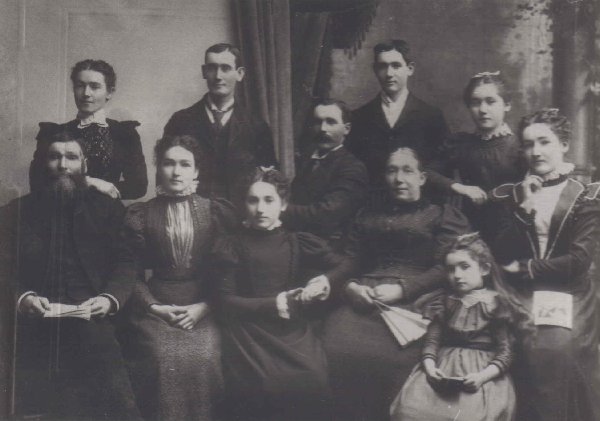
Family Photo
Le soldat John Fleming, alors qu'il était enfant, en compagnie de ses parents et de ses frères et soeurs. (Il est à la droite de la rangée du haut.) Il était le troisième fils d'une famille d'agriculteurs. À l'âge adulte, il s'installa à Haneyville (Alberta) pour y cultiver la terre. -
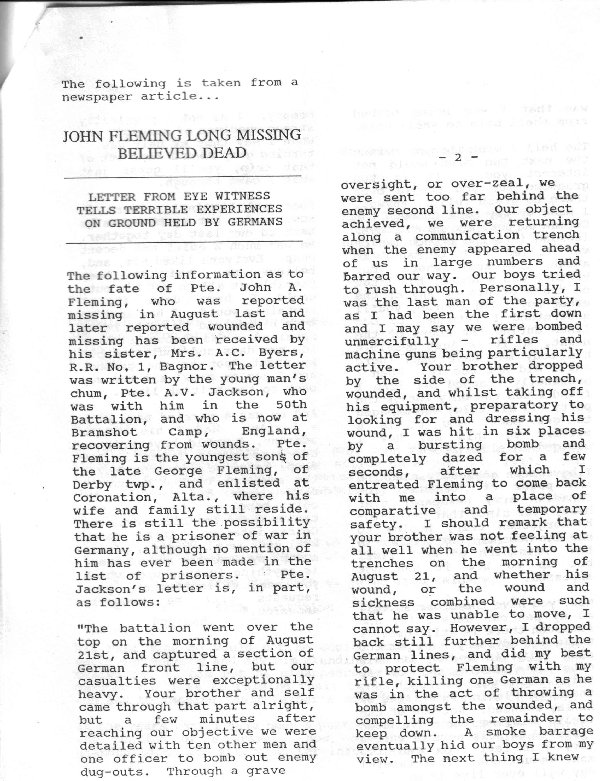
Document
Texte d'une lettre rédigée par le soldat A.V. Jackson à l'intention de la soeur de John Fleming, après la mort présumée de ce dernier. Une partie de cette lettre fut publiée dans un journal local de l'Ontario. -

Document
Galerie numérique de
Soldat John Fleming
Galerie numérique de
Soldat John Fleming
Galerie numérique de
Soldat John Fleming
Galerie numérique de
Soldat John Fleming
Galerie numérique de
Soldat John Fleming
Galerie numérique de
Soldat John Fleming
Galerie numérique de
Soldat John Fleming
Galerie numérique de
Soldat John Fleming
Galerie numérique de
Soldat John Fleming
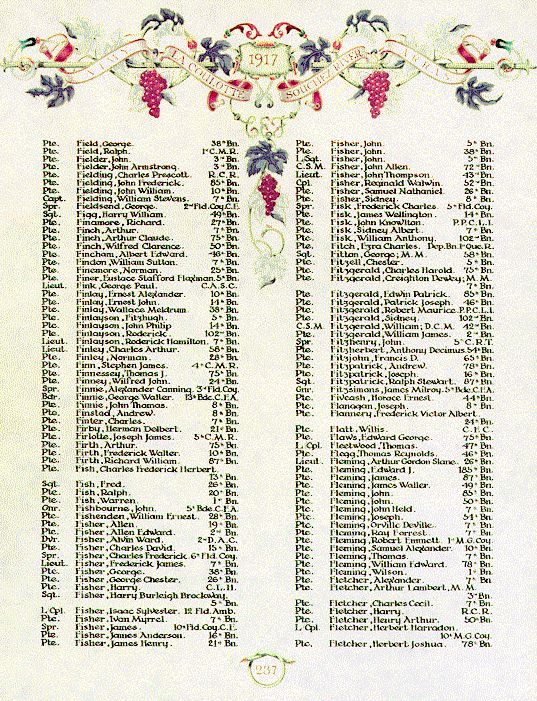
Dans les livres du souvenir
Inscription commémorative sur la :
Page 237 du Livre du Souvenir de la Première Guerre mondiale.
Commander cette page
Télécharger cette page
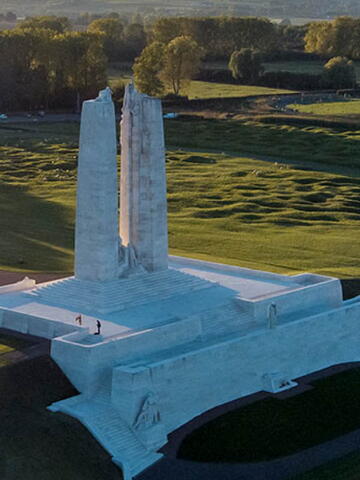
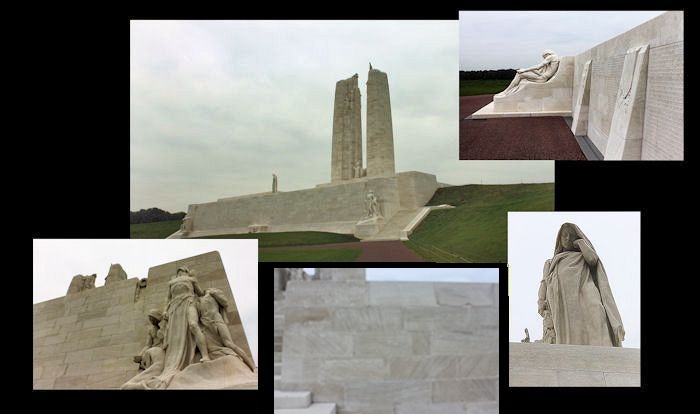
MÉMORIAL DE VIMY Pas de Calais, France
L'hommage le plus impressionnant que le Canada a rendu à ceux de ses citoyens qui ont combattu et donné leur vie au cours de la Première Guerre mondiale, a trouvé son expression concrète dans le Monument Commémoratif du Canada à Vimy, qui surplombe majestueusement la plaine de Douai du sommet de la crête de Vimy, à environ huit kilomètres au nord-est d'Arras. Le Monument représente un hommage à tous ceux qui ont combattu pour leur pays durant ces quatre années de guerre et, en particulier, à ceux qui ont donné leur vie. Sur le socle du Monument, sont gravés dans la pierre, en français et en anglais, les mots suivants :
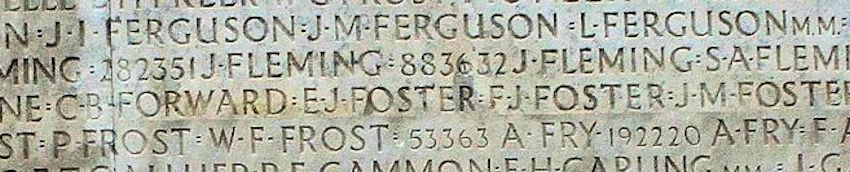
Sur les parois du Mémorial sont inscrits les noms de plus de 11 000 soldats canadiens «manquant à l'appel et présumés morts» en France.
Le terrain du parc de ce champ de bataille, d'une superficie de 91,18 hectares, «est un don de la nation française au peuple canadien», comme l'indique une plaque à l'entrée du Mémorial. La construction de cet ouvrage gigantesque commença en 1925; onze ans plus tard, le 26 juillet 1936, le roi Édouard VIII dévoilait le Mémorial de Vimy.
Le parc qui entoure le Mémorial est l'oeuvre d'experts en horticulture. Une multitude d'arbres et d'arbustes du Canada y ont été plantés pour rappeler les forêts et les bois canadiens. Autour du Mémorial, au-delà des coteaux verdoyants qui y mènent, s'étendent des parcs boisés. À la vue des tranchées et des tunnels parfaitement restaurés, le visiteur peut imaginer l'énorme tâche que le Corps canadien dut accomplir ce matin historique, il y a bien des années.
Le 3 avril 2003, le gouvernement du Canada a désigné le 9 avril de chaque année comme étant la journée nationale du souvenir de la bataille de la crête de Vimy.
Pour plus d’informations, visitez la Commission des sépultures de guerre du Commonwealth (site disponible en anglais seulement).
L’image du coquelicot est une marque déposée de la Légion royale canadienne (Direction nationale) et est utilisée avec sa permission. Cliquez ici pour en savoir plus sur le coquelicot.
Avons-nous oublié quelque chose ?
Contribuer à cette page commémorative
Avez-vous des photos, des informations ou une correction concernant la page commémorative de cet individu? Apprenez-en plus sur le MVGC et les informations que nous collectons.