

Service militaire
Lieu de l’enterrement/commemoration
Galerie numérique de Lieutenant Roderick Bruce Howson
-
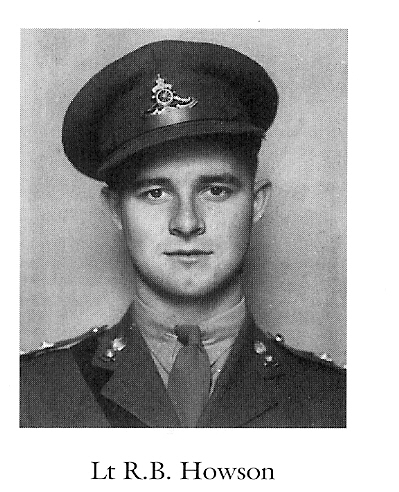
Photo of Roderick Howson
-

Memorial Book
-

Memorial Arch
-
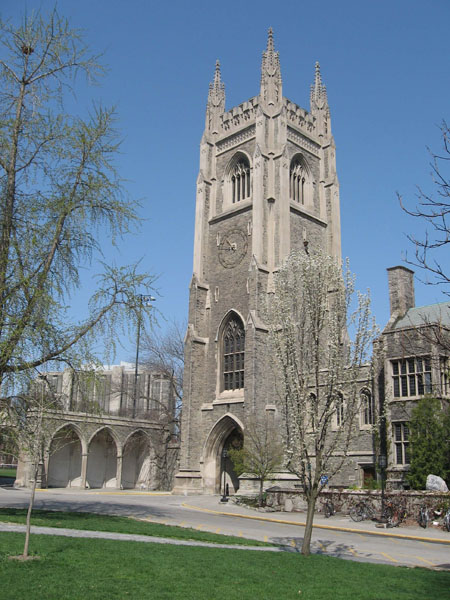
Soldiers' Tower Memorial
-

Memorial Room
-

Photo of RODERICK BRUCE HOWSON
-
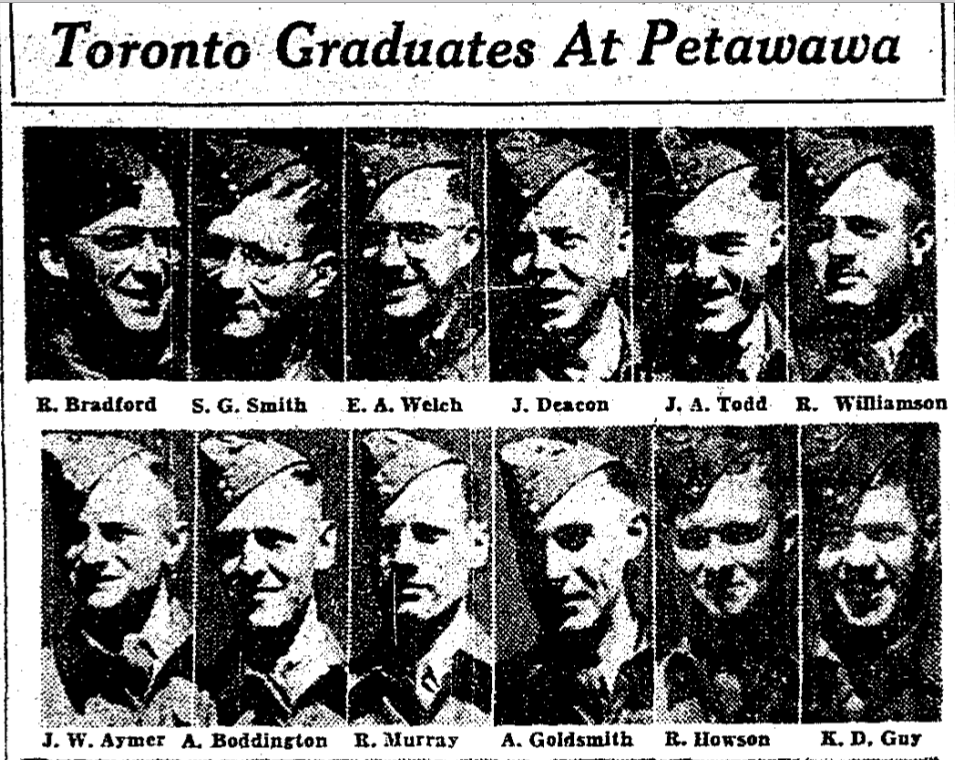
Newspaper clipping
Du Toronto Star mai 1943. Soumis pour le projet Operation Picture Me -

Newspaper clipping
De le Toronto Star, juin 1945. Soumis pour le projet Opération Photo Moi -
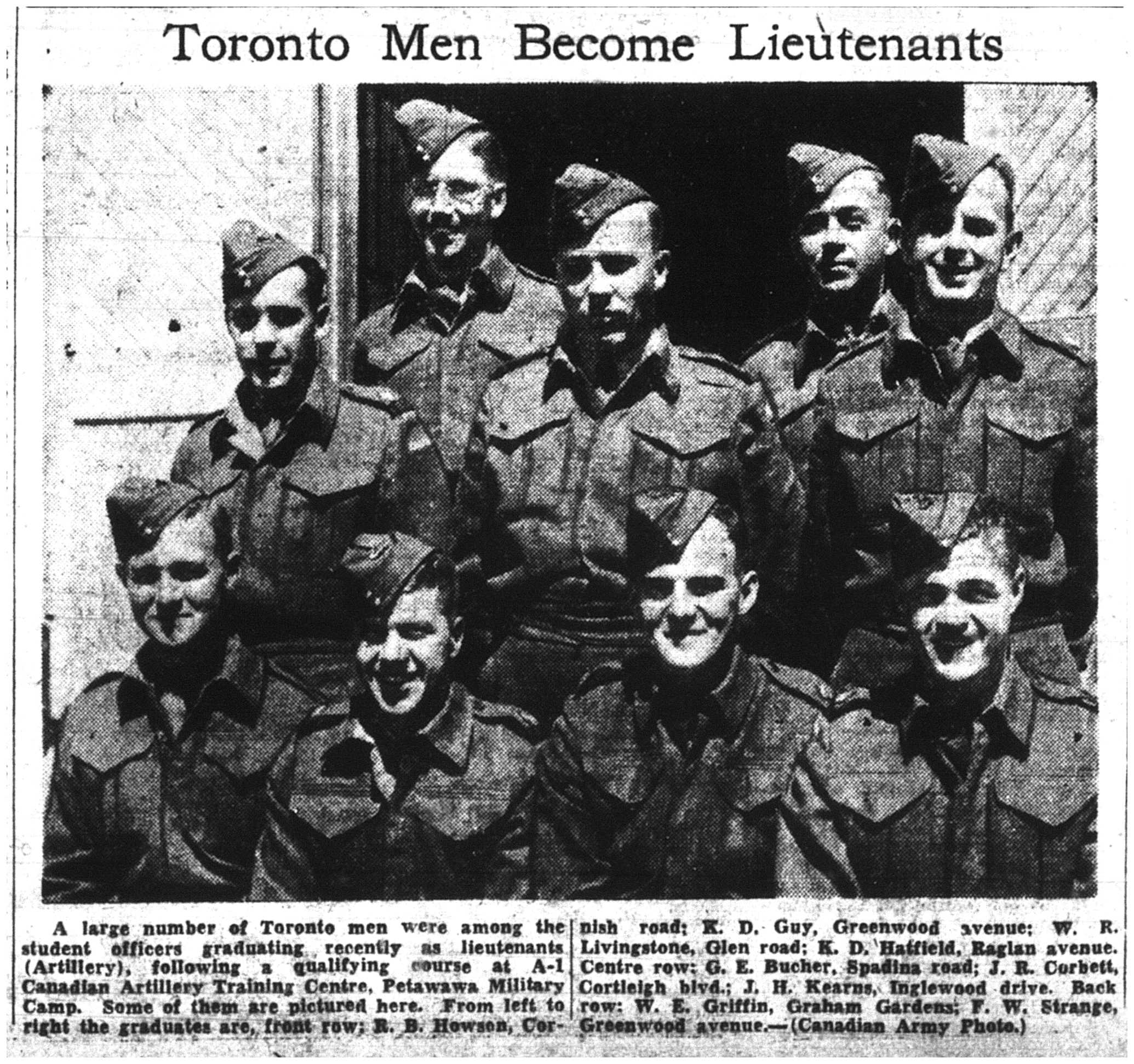
Newspaper clipping
-

Newspaper clipping
-
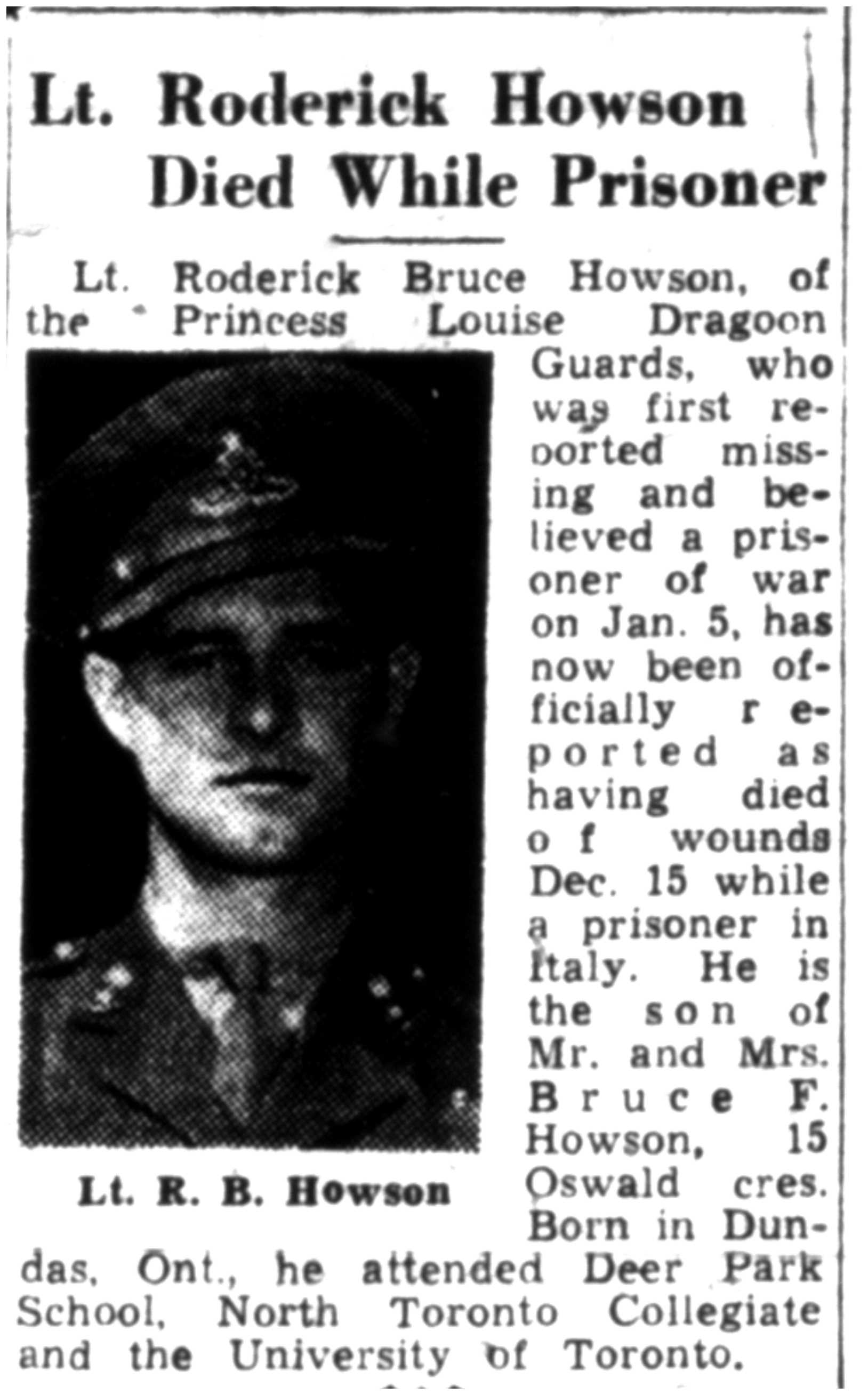
Newspaper clipping
Galerie numérique de
Lieutenant Roderick Bruce Howson
Galerie numérique de
Lieutenant Roderick Bruce Howson
Galerie numérique de
Lieutenant Roderick Bruce Howson
Galerie numérique de
Lieutenant Roderick Bruce Howson
Galerie numérique de
Lieutenant Roderick Bruce Howson
Galerie numérique de
Lieutenant Roderick Bruce Howson
Galerie numérique de
Lieutenant Roderick Bruce Howson
Galerie numérique de
Lieutenant Roderick Bruce Howson
Galerie numérique de
Lieutenant Roderick Bruce Howson
Dans les livres du souvenir
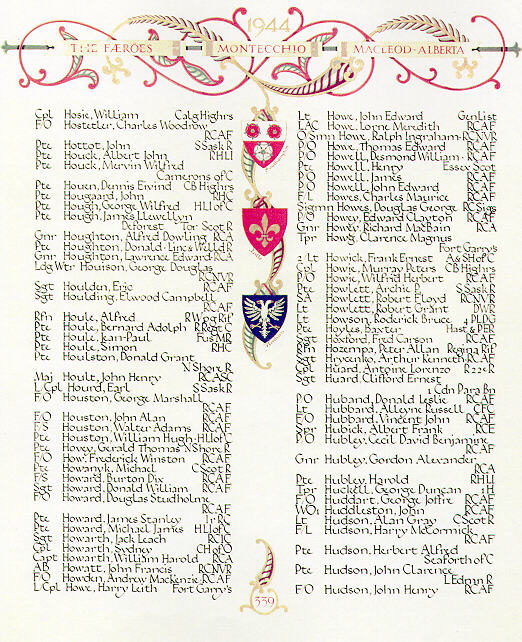
Inscription commémorative sur la :
Page 339 du Livre du Souvenir de la Seconde Guerre mondiale.
Commander cette page
Télécharger cette page
Cimetière de guerre du col d’Argenta Italie
Le CIMETIÈRE DE GUERRE DU COL D'ARGENTA se situe dans la commune d'Argenta dans la province de Ferrare dans les terres agricoles basses et plates de la vallée du Pô.
La ville d'Argenta est à environ 105 kilomètres au sud de Venise et à 2 kilomètres au sud du cimetière sur la route achalandée reliant Ravenne à Ferrare (Route no 16). Si le visiteur approche le cimetière par le sud, il doit tourner à droite juste avant d'atteindre la ville d'Argenta, descendre la Strada di Circonvallazione et dépasser la gare à droite. Il doit ensuite prendre le deuxième virage à droite et, après avoir traversé la voie ferrée, continuer jusqu'à ce qu'il arrive à une bifurcation où il devra encore une fois tourner à droite. Il trouvera alors le virage qui mène au cimetière un peu plus loin à gauche près d'une ferme.
Si le visiteur approche le CIMETIÈRE DE GUERRE DU COL D'ARGENTA par le nord, il doit effectuer un virage prononcé à gauche sur la route principale au premier carrefour situé aux limites de la ville, puis un troisième virage à gauche qui mènera au passage à niveau susmentionné.
Le cimetière est ouvert en permanence et peut être visité en dehors des heures de travail du personnel local d'entretien des jardins mais sans surveillance.
Les heures de travail du personnel local d'entretien des jardins sont les suivantes :
À partir du premier lundi d'avril :
Lundi au jeudi : 7 h 30 à 12 h 00 et 13 h 00 à 16 h 45
Vendredi : 7 h 30 à 12 h 00 et 13 h 00 à 15 h 30
À partir du premier lundi d'octobre :
Lundi au jeudi : 8 h 00 à 12 h 00 et 13 h 00 à 16 h 00
Vendredi : 8 h 00 à 12 h 00 et 13 h 00 à 15 h 00
Pour plus d’informations, visitez la Commission des sépultures de guerre du Commonwealth (site disponible en anglais seulement).
L’image du coquelicot est une marque déposée de la Légion royale canadienne (Direction nationale) et est utilisée avec sa permission. Cliquez ici pour en savoir plus sur le coquelicot.
Avons-nous oublié quelque chose ?
Contribuer à cette page commémorative
Avez-vous des photos, des informations ou une correction concernant la page commémorative de cet individu? Apprenez-en plus sur le MVGC et les informations que nous collectons.