The road to independence
East Timor had a long and violent struggle before reaching independence.
In the 1970s, East Timor began to move away from being a colony of Portugal. There was controversy over whether the territory should become an independent country or become a part of nearby Indonesia. In late 1974, the Indonesian military launched a secret operation to take over East Timor.
In 1975, a civil war started. Thousands fled the territory for the neighbouring Indonesian province. One of the main groups in the fighting declared independence for East Timor. In 1976, Indonesia invaded and took over the territory. They ignored UN resolutions supporting the right of the East Timorese people to self-determination, and made it a province of Indonesia in 1976. In the years following the invasion, armed resistance against the Indonesians, forced resettlement, and famine led to the deaths of more than a hundred thousand people in East Timor.

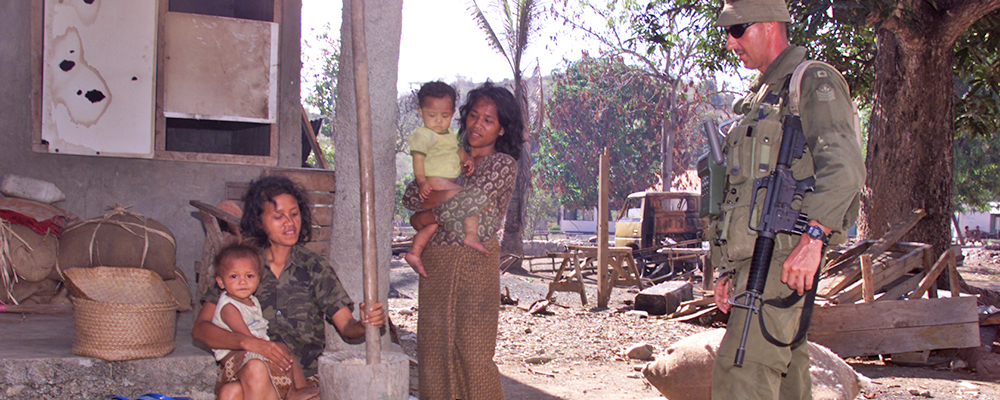
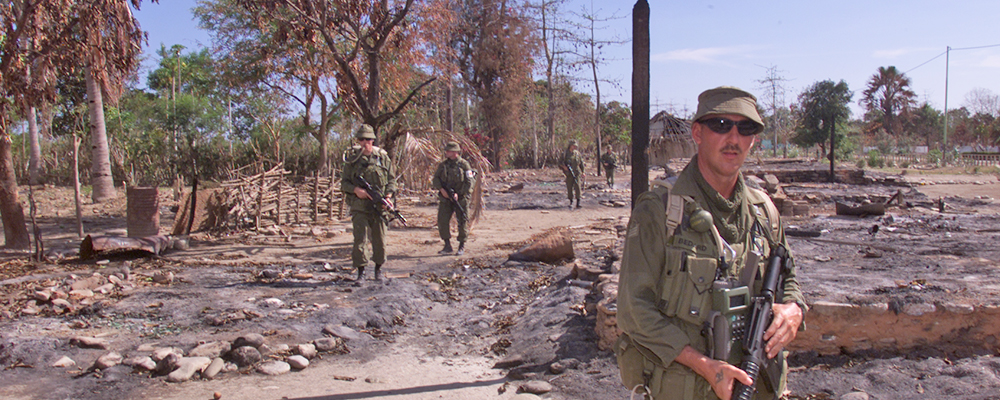
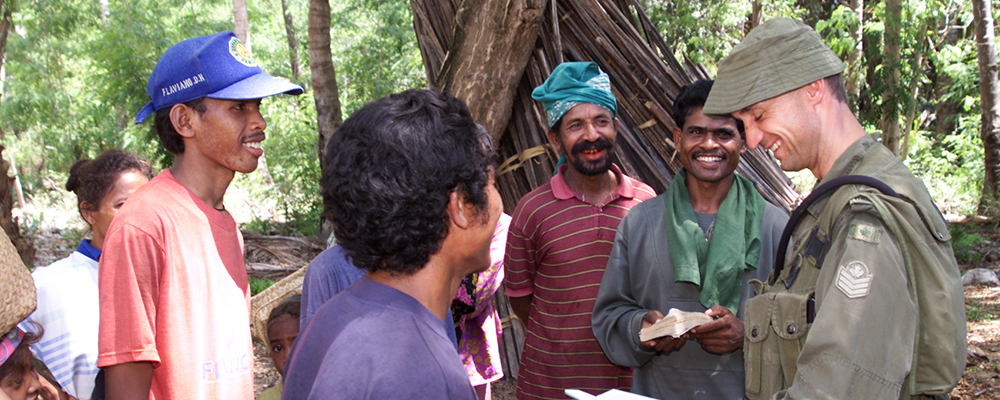
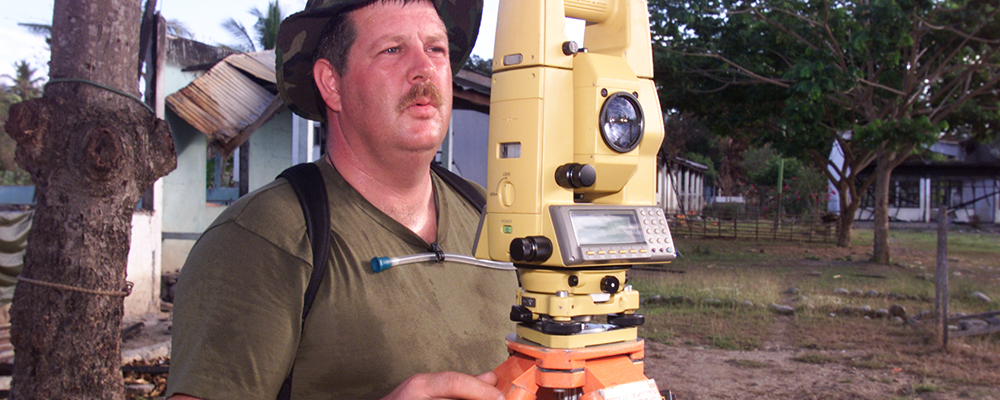
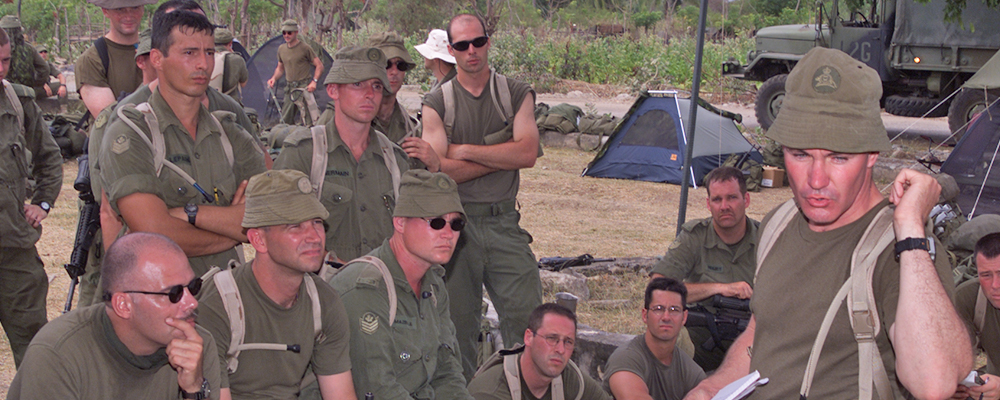
Sergeant Robyn Bédard on patrol in the village of Zumalai. 30 October 1999. Photo: Department of National Defence. ISD99-474A
Despite years of UN diplomatic efforts, East Timor would not be able to reassert its independence until 1999. When Mohammad Suharto, the long-time dictator of Indonesia, resigned the political situation in the country finally changed. The UN supervised a vote for the people of East Timor to decide whether it should remain a part of Indonesia (but with special autonomy) or begin the process of becoming independent. The citizens overwhelmingly opted for independence. Unfortunately, this set off further conflict in the territory. Pro-Indonesian militias, at times supported by the Indonesian military, burned homes, killed civilians and created unrest. More than 500,000 to 700,000 people in East Timor were displaced. Even members of the UN assistance mission there were attacked.