The RCN and RCAF contributions
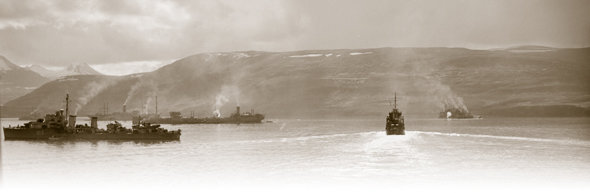
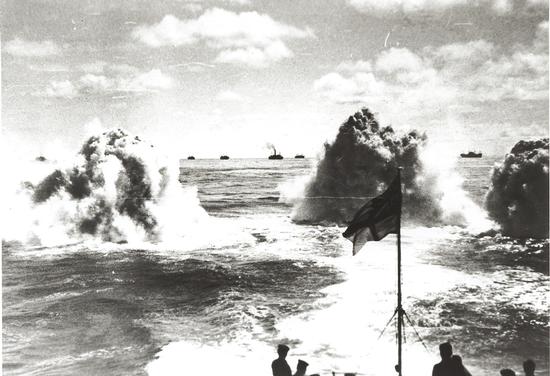
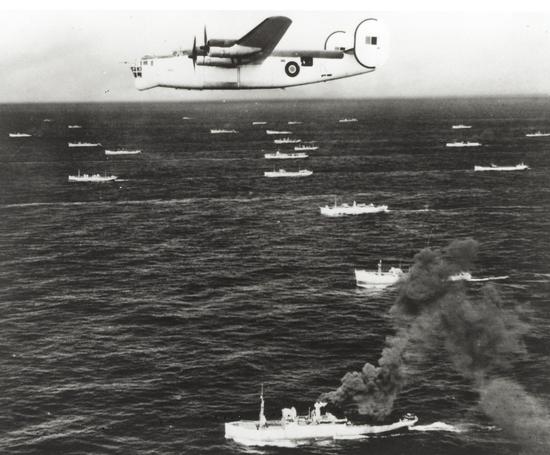
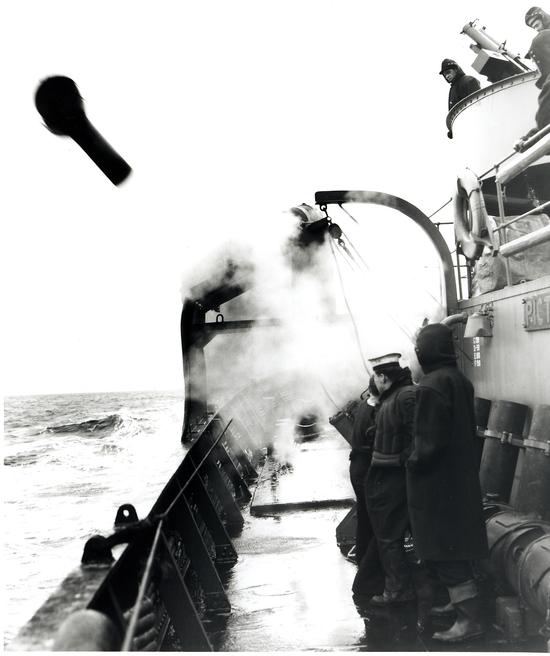
The most important achievement of the war in the Atlantic was the more than 25,000 merchant ship voyages made from North American to British ports under the escort of Canadian forces. These vessels delivered approximately 165 million tonnes of cargo to sustain the United Kingdom and made possible the liberation of Europe. In the process, Canadian warships and aircraft sank, or shared in the destruction of some 50 U-boats.
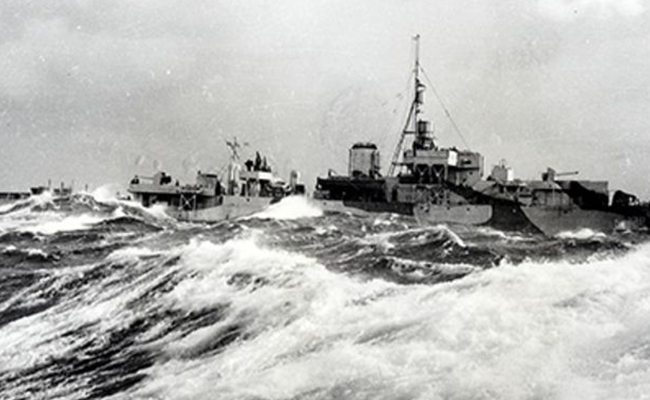
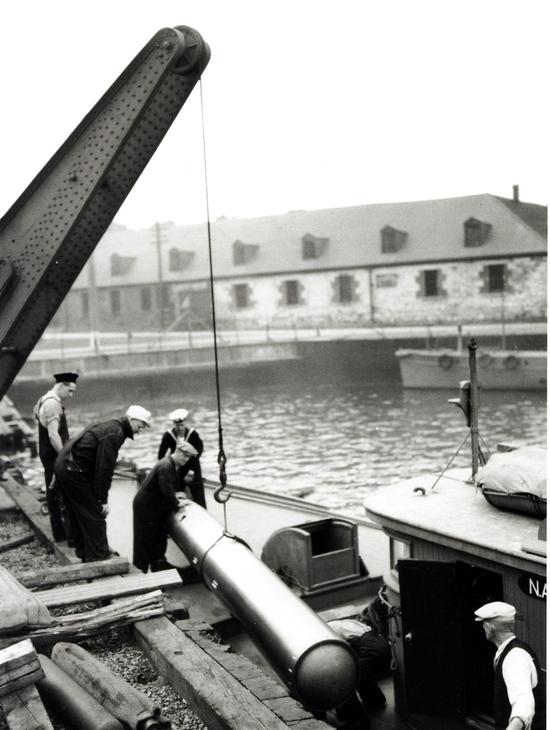
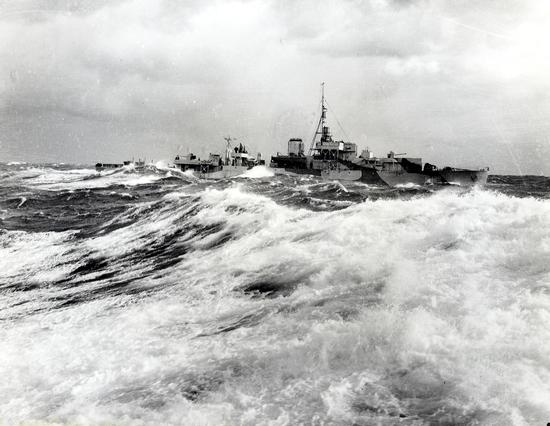
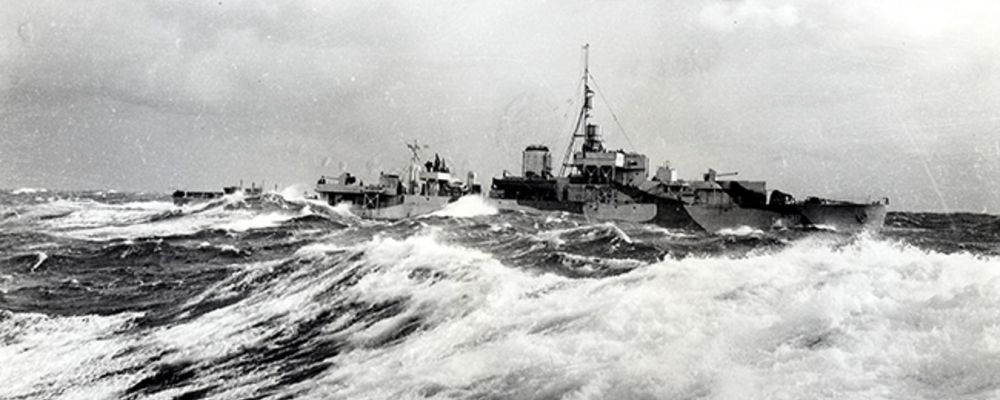
Beginning the war with a mere 13 vessels and 3,500 personnel, the Royal Canadian Navy grew to become one of the largest navies in the world. At war's end, the RCN comprised 373 fighting ships and more than 110,000 members, including 6,500 women who served in the Women's Royal Canadian Naval Services. The principal Canadian anti-submarine forces at that time included 261 sea-going escorts (Bangors, corvettes, frigates and escort destroyers). Hundreds of other craft—Fairmile launches, tugboats, coastal tankers and the other kinds of transports—protected Canadian waters, serviced the fleet and kept the bases running. All but a handful of the RCN ships, moreover, were built in Canada—an accomplishment of critical importance to the Allied cause. During the dark years of 1941 and 1942, when Canadian production came on stream, the larger Allies simply had no other source of escorts.
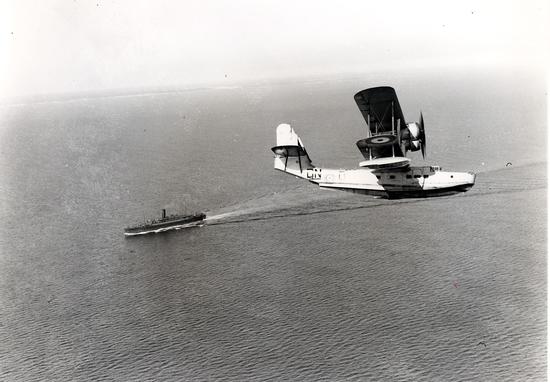
The RCAF's Eastern Air Command reached a peak strength of 21,233 personnel, including 1,735 members of the Women's Division, at the end of January 1944. Of this total, more than 1,200 were air crew. The rest managed the bases, communications, navigation systems and other services needed to operate multi-engine aircraft over the vast expanse of the northwest Atlantic. At this same time, nearly 2,000 RCAF air crew were serving in both Canadian and British squadrons of the Royal Air Force Coastal Command.
The main objective of Canada's Atlantic forces was always the protection of shipping. The outcome of the war was dependent on the success of the Atlantic convoys—on the merchant ships reaching the United Kingdom.
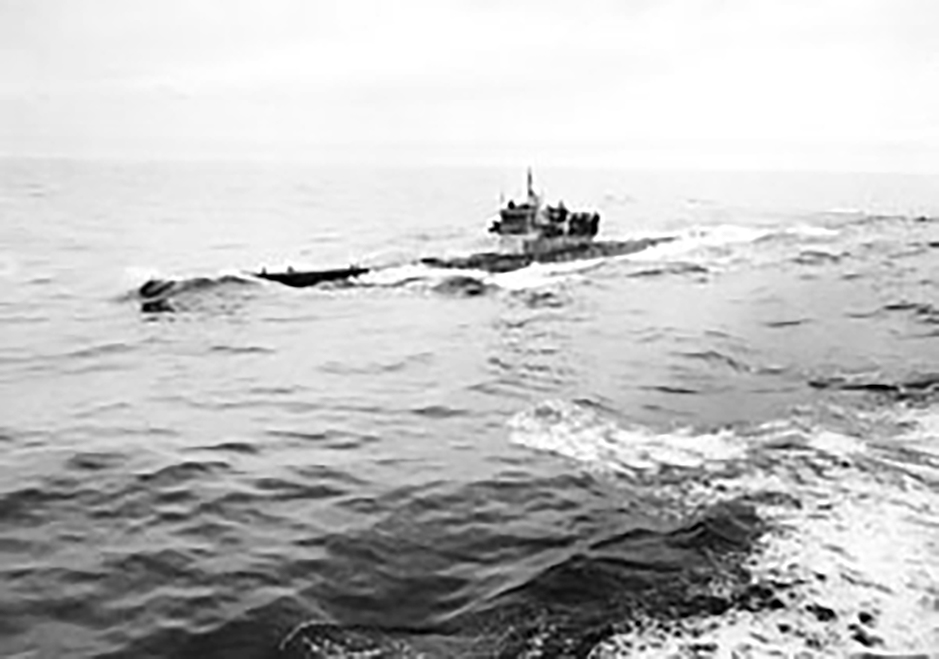
Escorting captured German U-190 submarine from Bay Bulls to St. John's, Nfld., June 1945. LAC PA140825