

Joined
1987

Postings
- Served as the Marine Systems Engineering Officer (MSEO) on HMCS ST. JOHN’S and HMCS CHARLOTTETOWN. Inland posting highlights were Marine Systems Engineering Division Commander at the Naval Fleet School, HCM/FELEX Detachment Commander for the first three Halifax Class Frigates on the East Coast and the final five years of her career were in Ottawa as a Section Head for Marine Propulsion Systems in DGMEPM.

Deployments
- Two NATO Deployments and Persian Gulf War

Medals
- CD1
Service and sacrifice
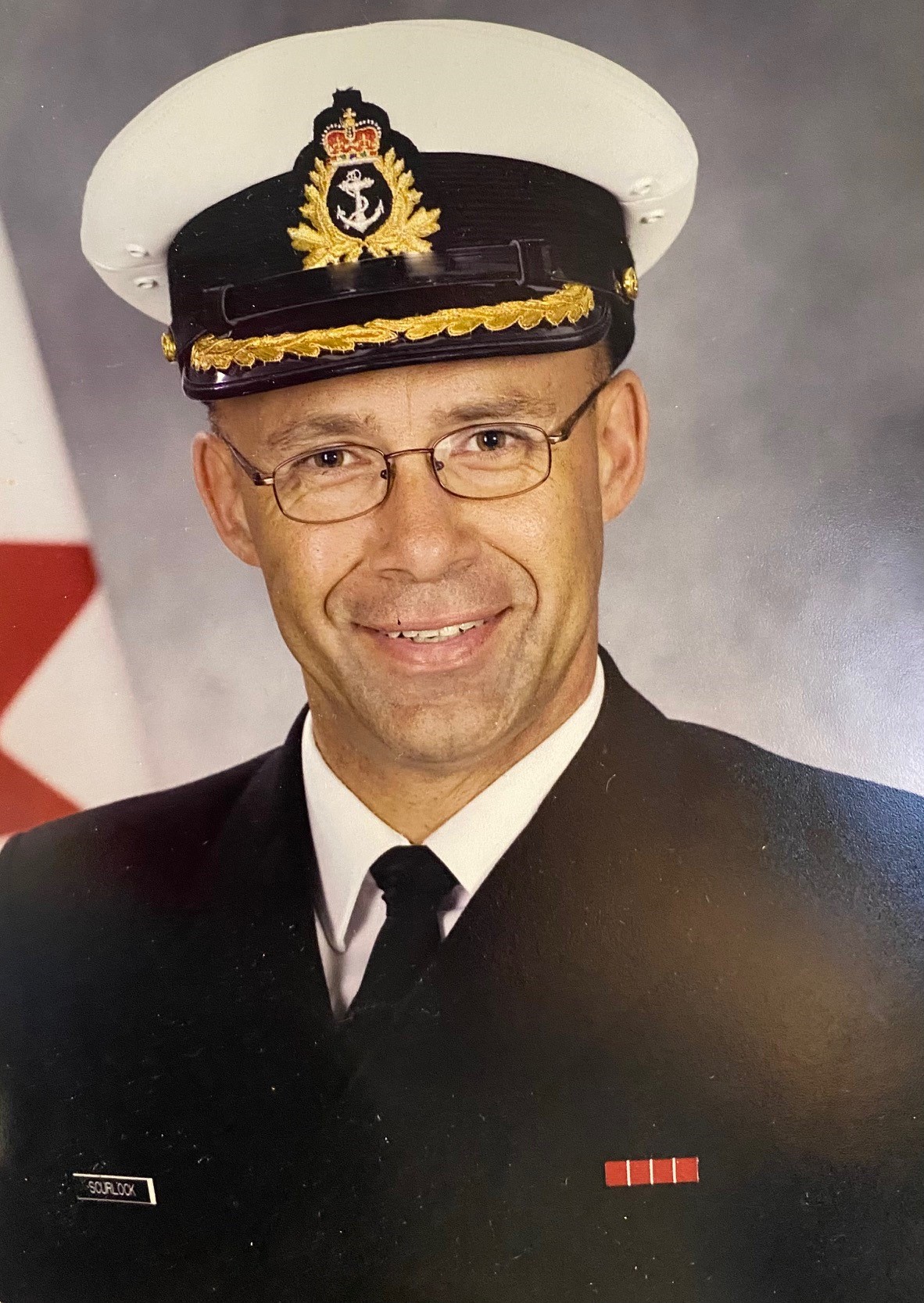
Treena Scurlock in Navy uniform in 2004.
A promotion to Commander is an exciting Navy career milestone—but it was met with mixed feelings for Commander (Retired) Treena Scurlock. The rise in rank meant further delaying the gender transition that was becoming increasingly difficult to postpone.
“I was handed responsibility for a 45-person team, I knew my own journey would have to wait. But how long could I wait to be myself?” she said. “I knew I had to suppress my identity to meet the expectations of leadership.”
For over three decades, Scurlock, 61, served her country with dedication and pride, all while carrying a deeply personal truth. Like many 2SLGBTQI+ Veterans, she faced an institution that wasn’t yet ready to accept her full self.
It wasn’t until retirement in 2018 that she could embrace her identity as a transgender woman—and with that came a new chapter of peace and fulfillment. “It took me six decades to work up the courage to transition,” she said. And now she feels lighter, happier, and more herself than ever before.
“My personality hasn’t changed, but people tell me I have a new vibe—a happier vibe.”
Identity and suppression
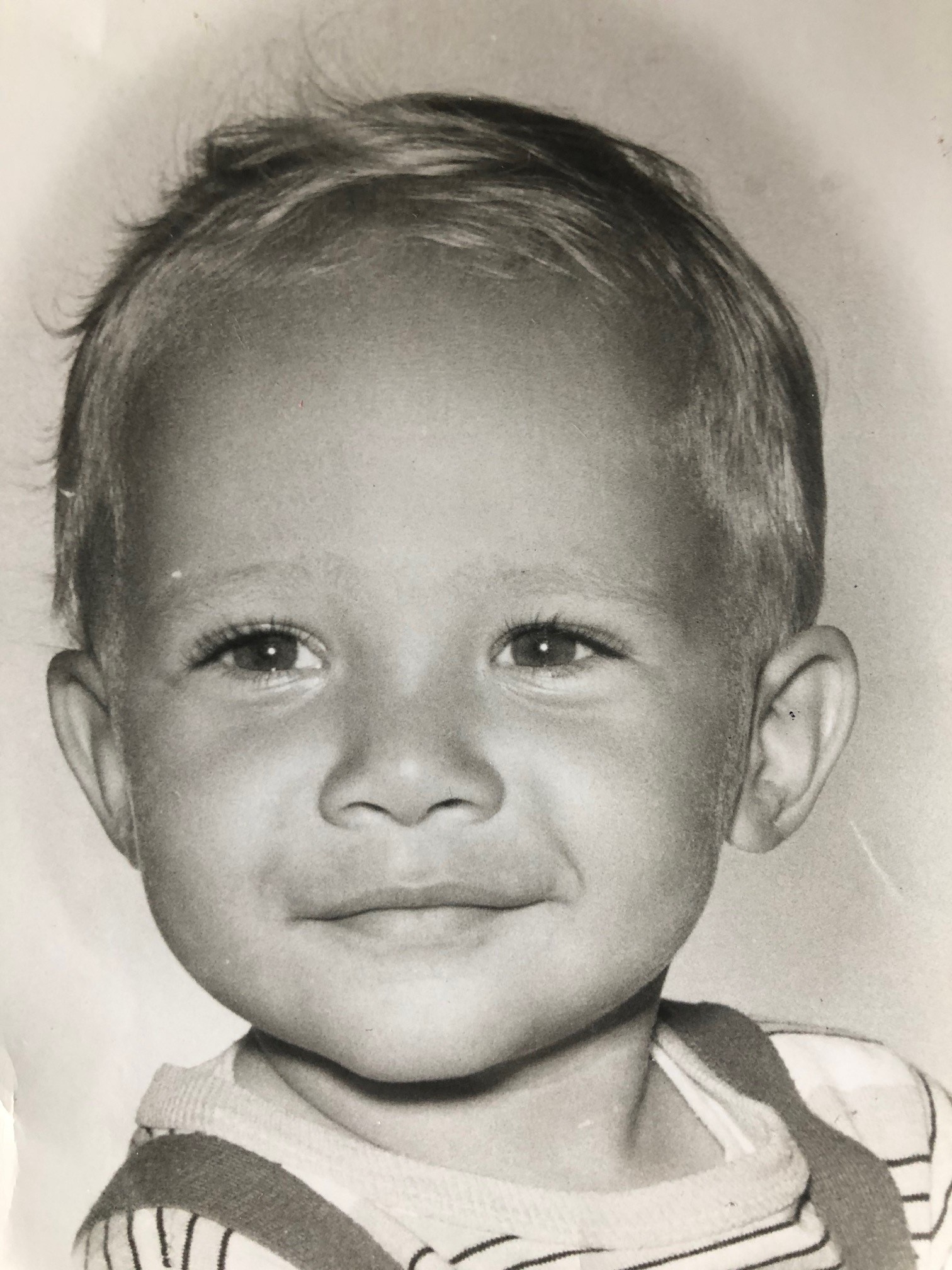
Treena Scurlock as a toddler in Mount Pearl, NL.
Growing up in Mount Pearl, NL with three sisters, Scurlock often felt more aligned with them than with the traditional expectations placed on boys and men. As a teen, she had a sense of adventure and a desire to explore beyond her hometown so she applied to the Coast Guard, the Navy, and the RCMP. The Navy offer came first so she accepted it. She began her military career in 1987, training in CFB Chilliwack and the Naval Officer Training Center (NOTC) to become a Marine Systems Engineering Officer.
Throughout her career, she quietly struggled with gender dysphoria – a medical diagnosis describing the discomfort or distress someone may feel when their gender identity doesn't match their body. Although there were moments she could privately express her identity, she lived in constant fear of the consequences of being discovered in a military environment that, at the time, was not accepting of transgender people.
When she first arrived in Ottawa more than a decade ago, Scurlock asked for help through the military’s Employee Assistance Program. Her counselor’s reassurance bolstered her confidence to come out, but the time still wasn’t right.
“I couldn’t imagine transitioning at that time while serving as a senior leader,” she said.
“There were institutional pressures to be a ‘model’ officer, and I just didn’t feel the military was ready for me to do that.” She spent more than five years as a Commander but it became increasingly harder to wait.
“I had to retire—I couldn’t delay being myself anymore,” she said. “It was unfortunate, but I felt I didn’t have a choice.”
Community and allies
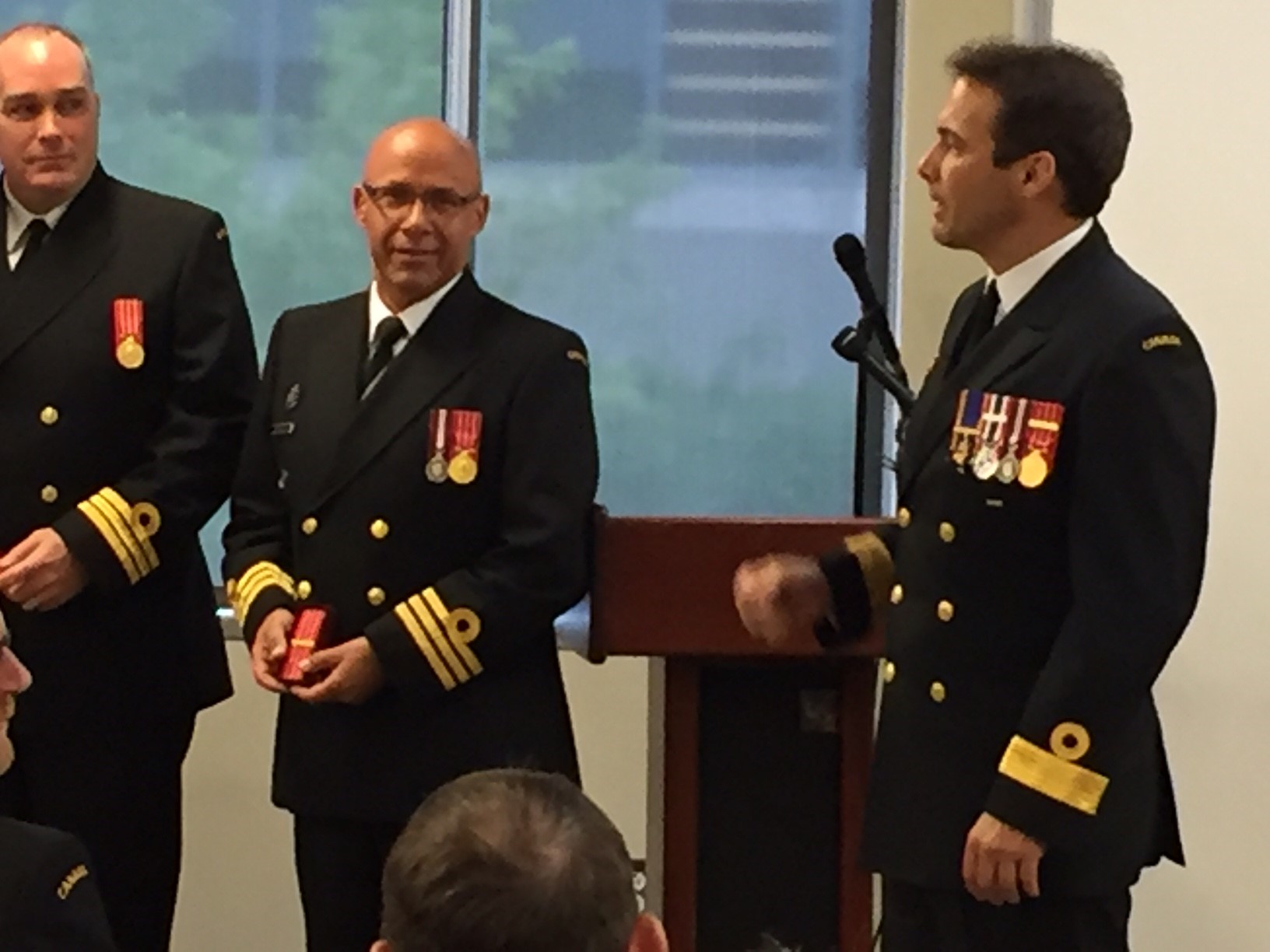
Commander Scurlock receives the CD1 in at DGMEPM in Gatineau, PQ.
Although she sometimes wonders what it might have been like to transition in uniform, she says waiting until retirement made it less stressful.
Her grown daughters, a civil engineer and an accountant, have been her champions through her transition. She feels the younger generation brings compassion and understanding to issues of gender diversity. Today, it’s not only the younger generation that is more informed, but adults are as well, she said.
“The military’s done a lot with positive space awareness since I've left and educating people on diversity, equity and inclusion. I think if I were in uniform now, I could have transitioned. A lot has changed in the last six to eight years.”
During her military career, she had a couple of key allies; one a fellow Lieutenant Commander and friend, who had come out as gay. “Coming out as gay or lesbian is different—your appearance doesn’t change, you’re still visibly the same person. But for a transgender woman, it’s a very visible change. And I hadn’t seen anyone else do it in the military at that time, so I thought, ‘If no one else has done this, maybe I shouldn’t either,’” she explained.
While posted in Ottawa, she found a local transgender support group, Gender Mosaic, and met a woman named Sophia, who encouraged her to take that first courageous step which she explained was “more nerve-wracking” than anything she had done in the military.
“With much trepidation, Sophia helped me get dressed for the first time and took me out for dinner. That first dinner out as my authentic self was terrifying and empowering at the same time.” She wore a beautiful floral dress and four-inch heels—which she jokes left her unable to walk properly for three days.
She discovered a welcoming community through Gender Mosaic, which hosted monthly socials and holiday parties. “It helped me gain confidence to eventually live full-time as myself,” she said. “I was living as a ‘part-time’ transgender woman, which wasn’t quite what I wanted, but it was a step.”
Transition and authenticity
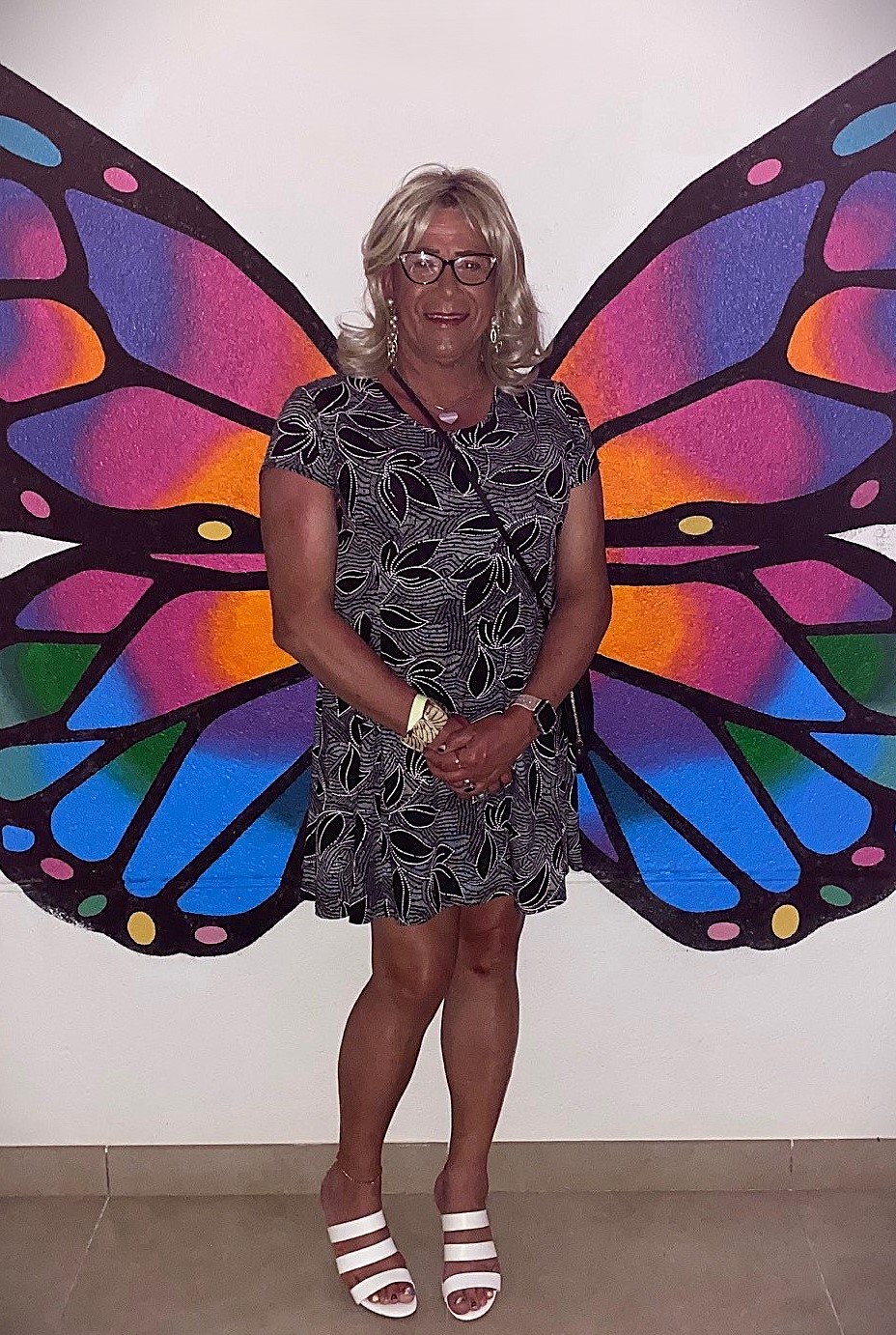
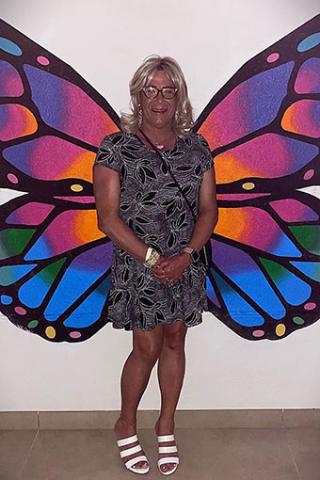
Scurlock on vacation in Cuba in 2023.
Since her transition, she has found acceptance in places she once feared rejection—including among her military peers. She now works as a defense consultant, managing a large team and collaborating with many of her former colleagues. “They’ve been so supportive and treat me as if I’ve always been Treena,” she said. “It’s been a blessing.
“I had some trepidation about telling some people. It was so much better than I was expecting. I received so many beautiful messages; ‘Congratulations on your transition. You're still the same leader showing the same courage you did in your Navy career.’ It was overwhelming, but in a good way. I still get a bit emotional when I think about it,” she said.
She even reconnected at a recent Veterans’ conference with Rear Admiral Jacques Olivier, her last supervisor before retirement. She approached him in a coffee shop lineup. He didn’t recognize her at first. “It’s Commander Scurlock,” she said, smiling. “Oh my God, you look great!” he replied.
Scurlock was heartened by his reaction, reflecting he would have been one person she could have confided in had she stayed in the military longer. “Allies are very important,” she says.
For Veterans who want to be allies, “it’s about standing shoulder to shoulder with us, like we do with any comrade,” she said. “For any Veteran who’s struggling with their identity, I want to say: ‘you are not alone. I’ve been there. There’s life—and pride—on the other side.’”
“I feel lighter. I wake up every morning now and I thank God and everyone else who supported me in my transition—it's a fantastic feeling.”
With courage, integrity and loyalty, Treena Scurlock is leaving her mark. She is a Canadian Armed Forces Veteran. Discover more stories.
The well-being of Canadian Veterans is at the heart of everything we do. As part of this, we recognize, honour and commemorate the service of all Canadian Veterans. Learn more about the services and benefits that we offer.
If you are a Veteran, family member or caregiver, the support of a mental health professional is available anytime at no cost to you. Call 1-800-268-7708.