Description
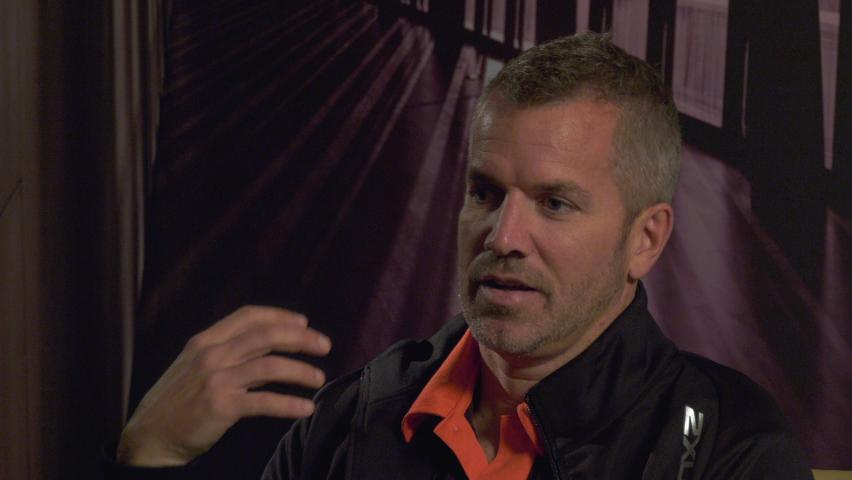
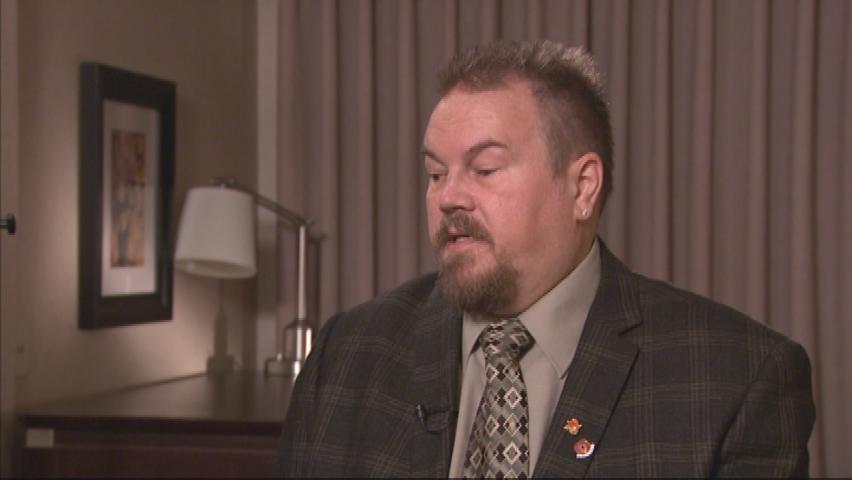
Robert McCue
Mr. Robert McCue was born August 22, 1972 in the city of Edmonton, Alberta. During his youth, he joined the air cadets and contributes this as a turning point towards a military career. Joining the Reserves, Mr. McCue became a part of the South Alberta Lighthorse Unit formerly known as the South Alberta Regiment. He accepted a deployment to Bosnia in 2003 as an infantry section commander, holding rank of sergeant. Later, he accepted a position with a newly developed unit, PSYOPS and deployed to Afghanistan in 2006. During this time Mr. McCue worked for Canada Post. Having a strong interest in military history and respecting the contributions made by his grandfather during WWI, Mr. McCue had the opportunity to travel as part of the delegation to Vimy in celebration of the 100th anniversary, an honour he will cherish for a lifetime. Mr. McCue presently resides in Edmonton, Alberta with his family.
Transcript
A couple hours each night we would share stories and we’d laugh and, you know, talk about home and talk about what we liked and you got to know someone pretty well. And in May, we were on operations, one of the companies had come in contact and Nichola was calling in artillery strikes and was the first Canadian officer to call in artillery in combat since the Korean War and that was May 17th, that was the day she did that. So it was a real big first for the Canadian Army and it had been a long time since we actually called in fire. So after that initial fire was called, we were in the village of Panjwai, it’s a small place west of Kandahar city. Historically it is a very significant point for the Afghans. It’s where they defeated the Russian Army in the ‘80s. The Russians had gone in and they basically destroyed a battalion of tanks in that area and that’s the end of when the Russians said enough with Afghanistan. So a significant place to be, and it was a maze, a warren of roads and high walls and grape fields and huts and buildings and ten foot walls in some places where you couldn’t see the other side. We had been stopped there while she had called in the artillery and they wanted us to remain in position and we stayed there for a long time, a number of hours and we were all getting itchy to leave. We all wanted to leave that spot because we were feeling very vulnerable, we’d been there too long. We could see people moving on our flanks and on our sides and we could see the locals starting to bug out. And so we finally got the word to mount up and leave and just as we were getting onto the vehicles the Taliban initiated their ambush and they hit us from three sides. They were well coordinated, well-armed. They figured there was about seventy five of them hit our patrol which was maybe thirty five guys. I think there was something like sixteen or seventeen RPG rockets fired in the first volley from different spots and only one of those rockets went off. And the rest hit the armoured vehicles and deflected because they were fired from so close the Taliban couldn’t get a standoff distance. The RPG is designed to be fired from a shoulder launcher and it has to rotate through the air so many times in order to arm the warhead. That way if you fired it at something too close it wouldn’t explode and injure the firer. And the Taliban couldn’t get any standoff from our vehicles so they were firing them from where they were which was too close and that kept them from detonating. And that’s really what I think saved a lot of us that day was the fact that they were too close so the terrain worked against them as well not only us but the side alley is where the rocket came from, hit the wall and it detonated and that is the rocket that the shrapnel struck Nichola and she passed.