
Filter by:
Displaying 3493 to 3504 of 4589 results.
Invictus Games athlete proud to represent Canada once more
Athlete Pedro Ibaceta-Carter has worn the colours of the Canadian Armed Forces. Now he sports the red and white of Team Canada for the 2018 Invictus Games. Both uniforms instill incomparable pride. In Halifax, he told Veterans Affairs Canada correspondent Natacha Dupuis about the emotions he’s feeling.
Passing the torch - Invictus Games Team Canada captains
Last year’s Invictus Games 2017 Team Canada co-captain Natacha Dupuis speaks with this year’s captain Rob Hicks at the recent training camp in Halifax ahead of the 2018 games.
Invictus Games Team Canada manager discusses the athletes' courage before Sydney
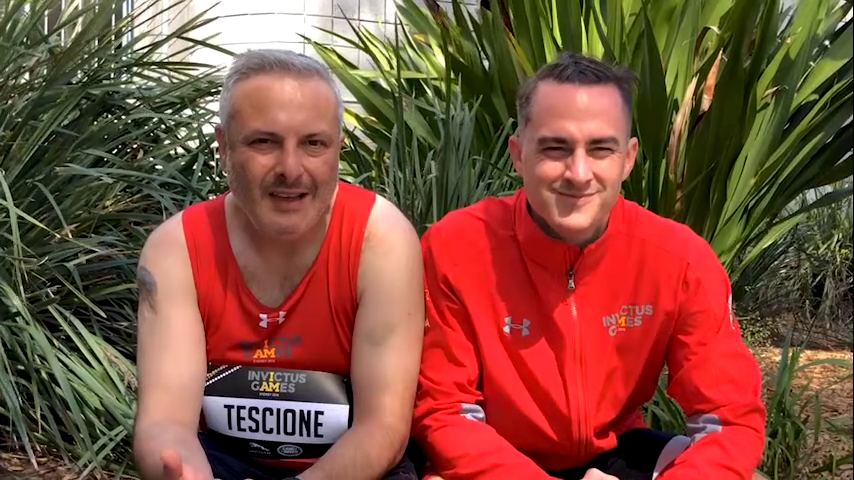
Veterans Affairs Canada correspondent Natacha Dupuis interviews Joe Kelly, manager of Team Canada for Invictus Games 2018. They discuss living a healthy life, the importance of personal goals and next steps after Sydney. Subscribe to our channel for more #IG2018 coverage.

Invictus 2018 - Introduction
Invictus Games 2018
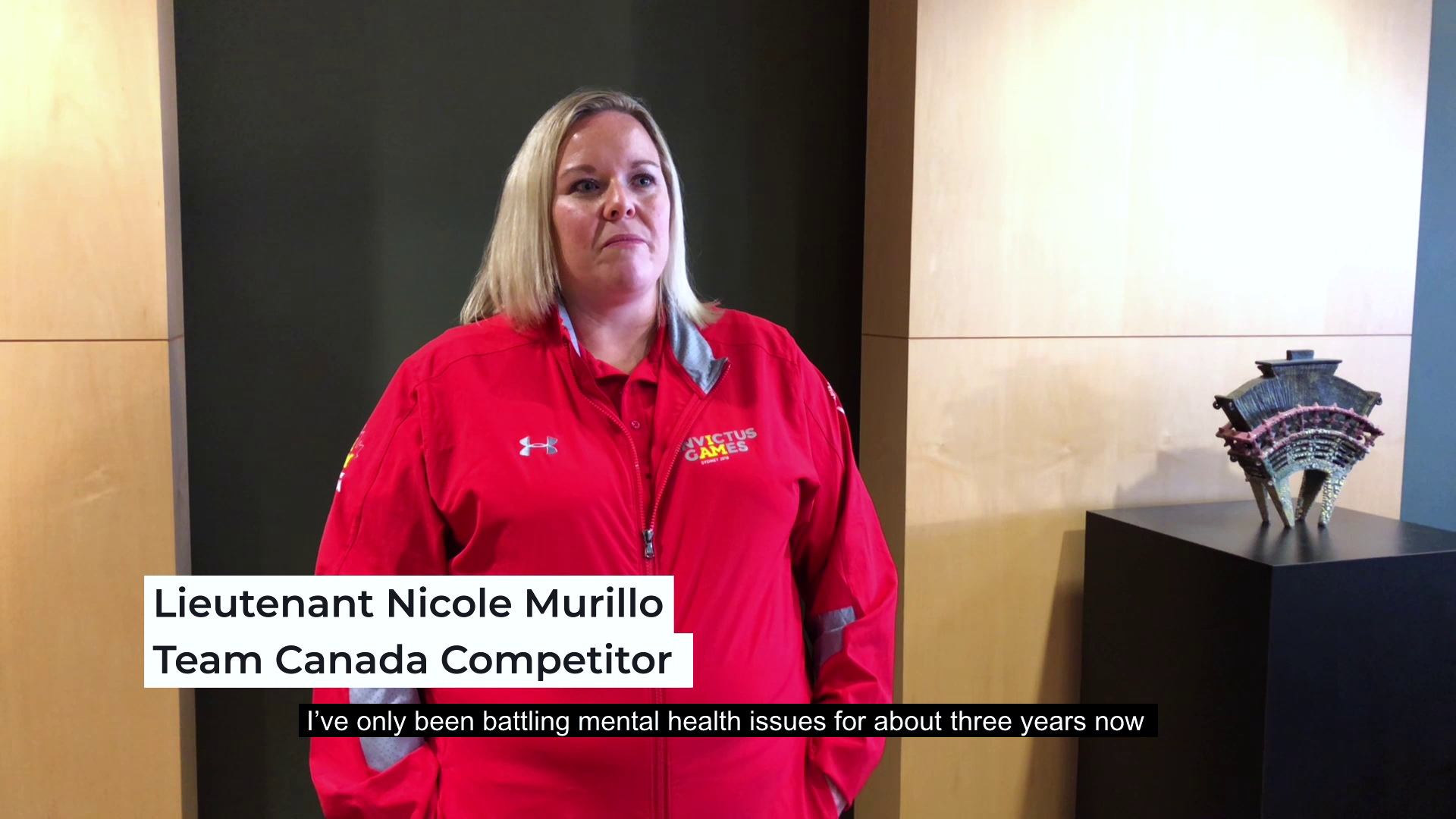
What does Invictus mean to you?
Our #IG2018 athletes have triumphed, struggled and, most importantly, persevered on the road to the Invictus Games. They are united by their courage. But the spirit of the Games is something very personal to each competitor. What does the Invictus spirit mean to you?
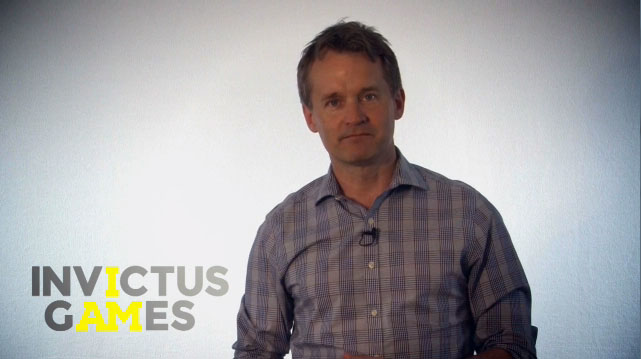
Invictus Games 2018
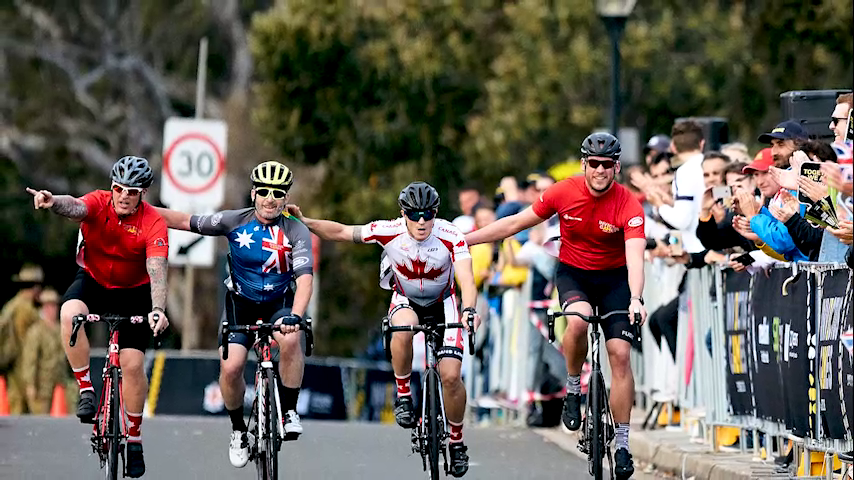
They have been tested and challenged, but they have not been overcome. We can’t wait for Team Canada to make their mark down under. #IG2018 #MakeYourMarkDownUnder
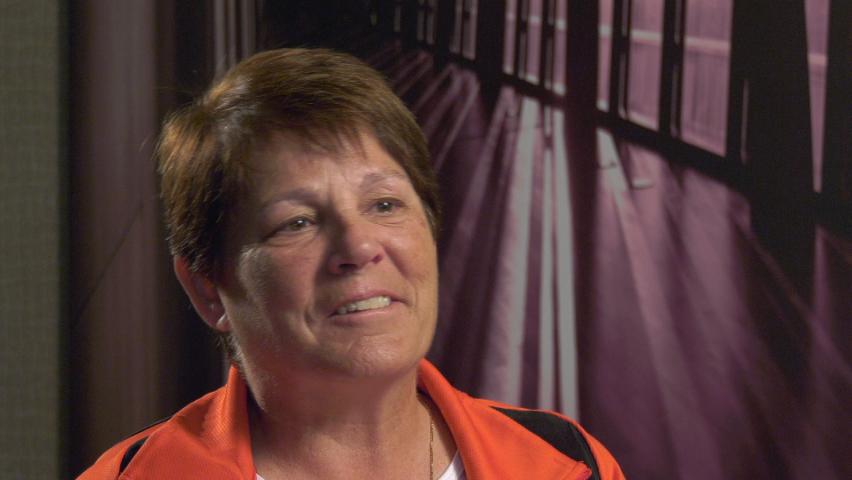
Pride for Being a Part of the Games
Ms. Bate speaks about her involvement in 2017 Invictus Games and how it gave her a sense of belonging.
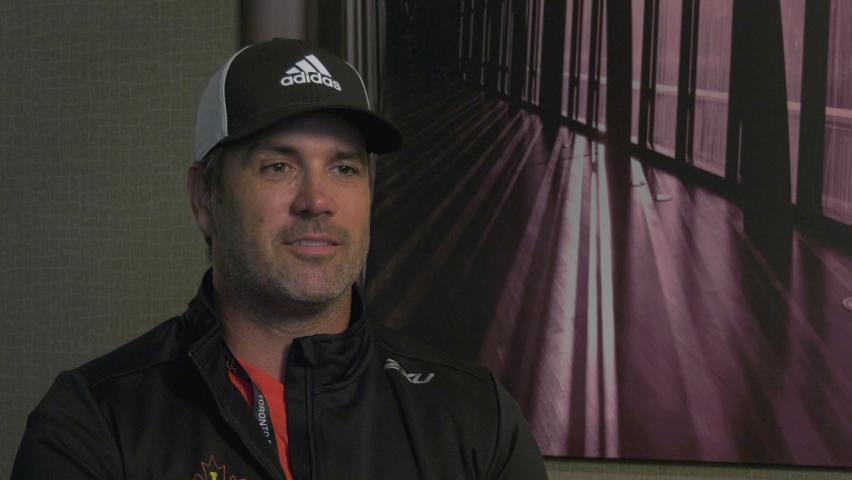
Remember to Thank a Veteran
Mr. Feyko hopes Canadians thank Veterans when they can. It is really appreciated.
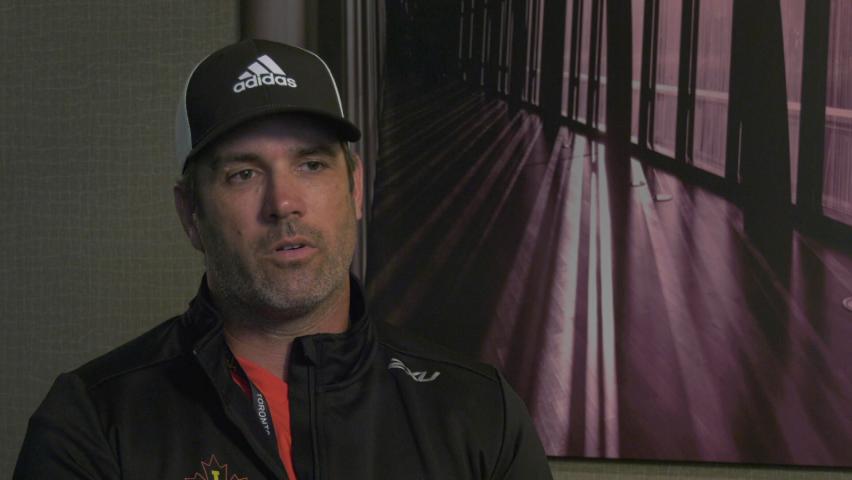
Giving Back Through Soldier On Program
Years after his accident, Mr. Feyko finds a way to give back to the ill and injured comrades through Soldier On.
Displaying 3493 to 3504 of 4589 results.