

June 2025
VAC's monthly digital newsletterIn this edition:
- News
- Canada reinvesting in the CAF
- June is Indigenous History Month in Canada
- Programs and Services
- Advancing Reconciliation: Fee waivers for information requests
- Support for First Nations, Inuit, and Métis Veterans
- Indigenous Veteran delegation to Invictus Games 2025
- Services for Veterans at risk of or experiencing homelessness
- Free training for Québec Veterans to build business skills
- Engagement
- Connecting with Indigenous Veterans: Our Indigenous Veterans Engagement Team
- Pride and partnership: Listening and learning from 2SLGBTQI+ voices
- Working with Women Veterans to improve how we serve them
- Spotlight on Women Veterans
- Treena Scurlock’s story of service and sacrifice
- Veterans’ stories
- Brian Prairie: The adventure of a lifetime
- Commemoration
- Funding available for projects honouring Canadian Veterans
- Chief Joseph Dreaver: From combat to community impact
- Write to a Veteran
- Commemoration calendar
News
Canada reinvesting in the CAF
Canada’s new government announced earlier this month that it is rebuilding, rearming and reinvesting in the Canadian Armed Forces.
With this increase, Canada will achieve NATO’s two-percent target on defence spending this year. This is in line with current critical security issues. The investment for 2025-26 will be over $9 billion.
With this plan, the government will also work to improve support for Veterans and their families, including modernizing the benefits system so Veterans get supports sooner, streamlining military trade credentials in the civilian sectors and improving health services for women Veterans.
June is Indigenous History Month in Canada
Online Indigenous Learning section expanded
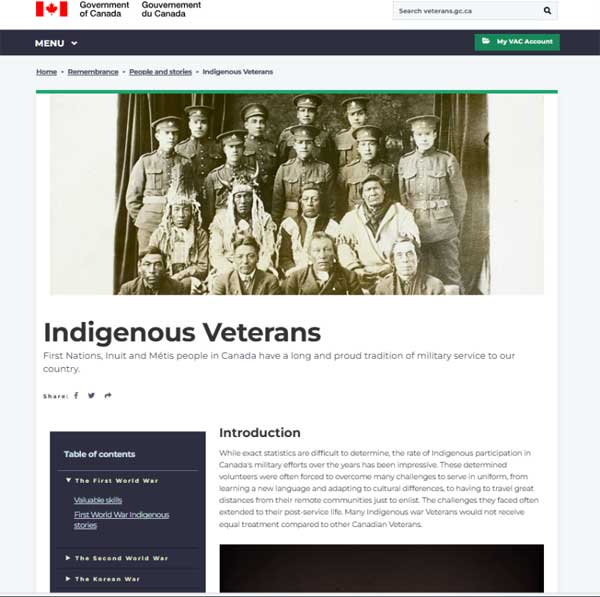
As part of Indigenous History Month in Canada, take a moment to consider the role Indigenous Veterans have played in our nation’s military history. Despite wearing the same uniforms as their comrades, they often faced unique challenges simply because of who they were.
Recognizing their service and sacrifice is essential. We recently updated and expanded our online learning section to reflect their stories and the challenges they faced.
These stories contribute to a richer understanding of Canada’s military history and cultural diversity.
Programs and services
Advancing Reconciliation: Fee waived for information requests

If you are Indigenous, or are representing an Indigenous person, you can now ask that the $5.00 fee on Access to Information Act (ATIP) requests, be waived.
Here’s how:
- Online: Submit an ATIP request online, pay the application fee, and then email us with your ATIP request number to request a refund.
- By mail or email: Fill out an ATIP request form, specify the records you need, and email your request for a fee waiver, or mail it to the address below.
ATIP mailing address:
Access to Information and Privacy
Veterans Affairs Canada
PO Box 7700
Charlottetown, PE C1A 8M9
Canada
Did you know? You pay no fees if you are accessing your own information under The Privacy Act.
For more details on ATIP requests, visit our website.
Support for First Nations, Inuit, and Métis Veterans
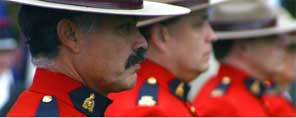
First Nations, Métis, and Inuit Veterans deserve the same recognition and support as their military counterparts.
We provide benefits and services to Indigenous people who have served in the Canadian Armed Forces (CAF), including the Canadian Rangers and the Royal Canadian Mounted Police (RCMP). These benefits are offered alongside other federal, provincial and territorial programs.
For example, Indigenous Veterans can access community-based, trauma-informed mental health supports through Indigenous Services Canada’s Trauma-Informed Health and Cultural Supports Program. These services complement our existing healthcare programs available to all Veterans.
We are dedicated to providing excellent service for all Veterans, including the many First Nations, Métis, and Inuit individuals whose service and sacrifice have contributed greatly to Canada.
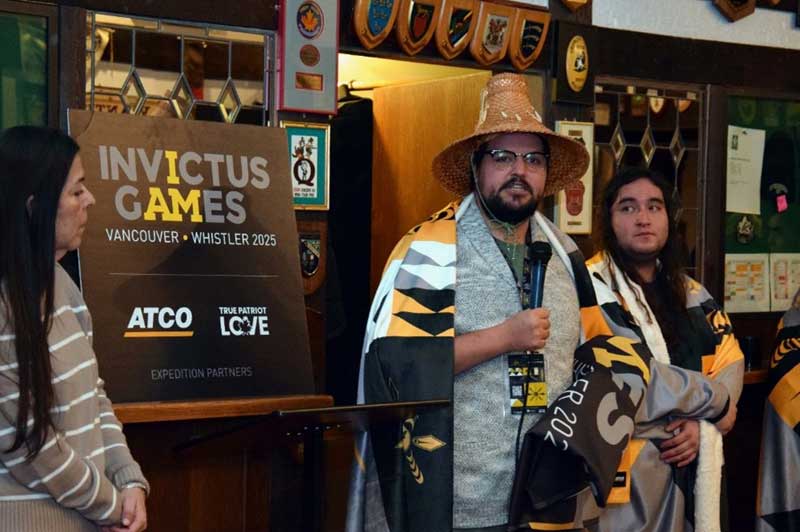
Indigenous Veteran delegation to Invictus Games 2025
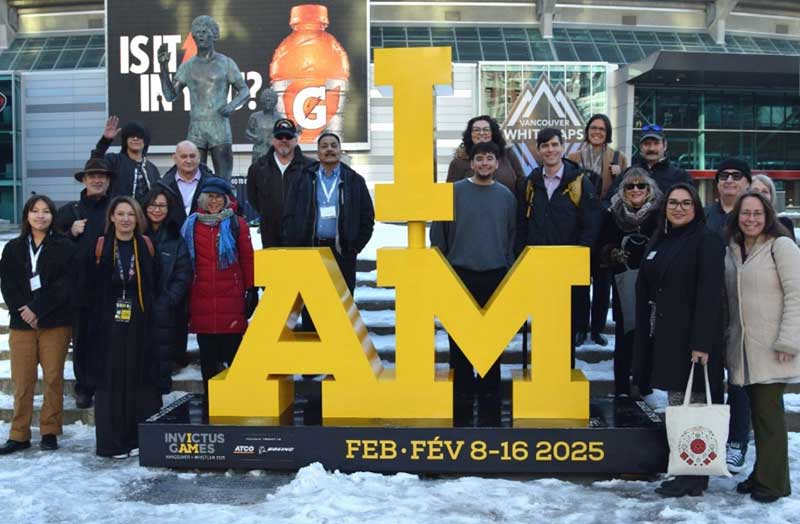
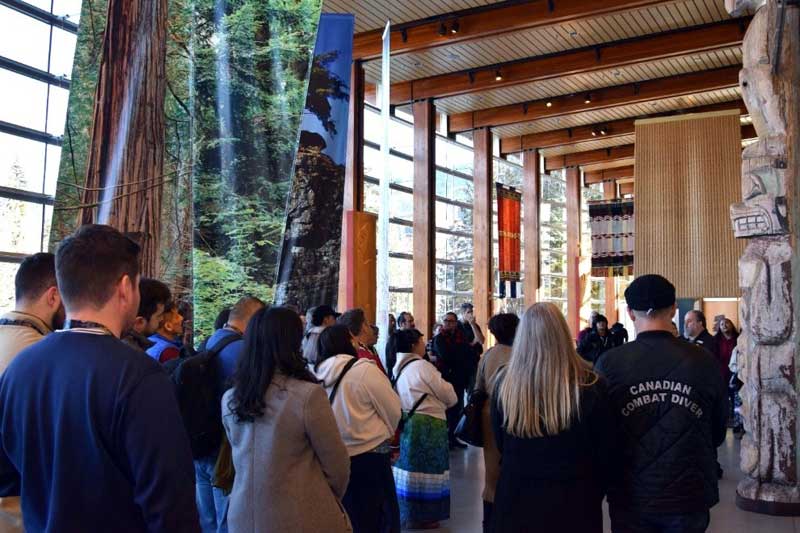
In February, a delegation of Indigenous Veterans gathered at Invictus Games 2025 (IG25) as representatives of our nation’s diverse Indigenous cultures. They cheered on Team Canada and networked with each other, members of the four host First Nations and Indigenous Veterans from around the world.
They came from Indigenous communities across Canada, including representatives from the Assembly of First Nations, Métis National Council, Manitoba Métis Federation, Inuit Tapiriit Kanatami, Six Nations Veterans Association, just to name a few.
Youth delegates also attended from the Squamish, Lil’ Wat, and Musqueam Nations, three of the Four Host First Nations of Vancouver and Whistler.
Here are some photos of the IG25 Indigenous Veteran delegation.
Services for Veterans at risk of or experiencing homelessness

If you are a Veteran facing the risk of homelessness or currently experiencing it, there are support services available to help. Here is what we offer:
- Health services: Access to mental and physical health care.
- Case management and financial aid: Emergency financial assistance through the Veterans Emergency Fund.
- Career and education support: Programs for career transition, education, and job training.
- Income and housing assistance: Support for at-risk housing situations, counseling, and in-home assistance via the Veterans Independence Program.
We have partnered with Infrastructure and Communities Canada to establish the Veteran Homelessness Program. This program provides rent supplements, housing support and additional resources to help prevent and reduce homelessness among Veterans, aiming to ensure long-term stability and well-being for those who served our country.
If you or someone you know needs assistance, call us toll-free at 1-866-522-2122. For immediate mental health support, the VAC Assistance Service is available 24/7 at 1-800-268-7708 to connect you with a mental health professional.
Free training for Québec Veterans to build business skills
With a rare mix of leadership skills, attention to detail and mission focus, Veterans are uniquely qualified to run their own business once they have left military life. With funding assistance from the Veteran and Family Well-Being Fund, Québec Veterans can now harness those skills through the École d'Entrepreneurship de Beauce (EEB).
The EEB is a business school that offers short, intensive 48-hour retreats designed for Veterans. There are three programs to choose from:
- Leader: Focuses on leadership, vision, and communication.
- Avancer: Develops communication and coaching skills using personality profiles.
- EntReprendre: Supports Veterans exploring or working on business succession or buying a business.
The next session is August 18-19 and will focus on the Leader program. Veterans must register by June 20. Each session is limited to 20 participants, who will learn business skills, get support for their ideas, and improve their leadership.
Québec Veterans can find out more about the programs, upcoming dates, and eligibility on the EEB website. Note: These sessions are only available in French.
Engagement
Connecting with Indigenous Veterans: VAC’s Indigenous Veterans Engagement Team
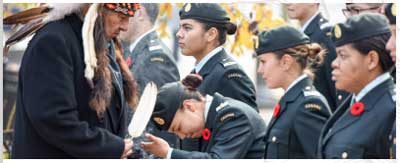
First Nations, Inuit and Métis Veterans have a long and proud tradition of military service to Canada. Historically, however, their contributions were undervalued. That is why we’re working with Indigenous partners to understand how best to serve and engage with Indigenous Veterans.
Our Indigenous Veterans Engagement Team (IVET) leads outreach and coordination with Indigenous partners. They work closely with Indigenous organizations to ensure Indigenous participation in VAC-led commemorative activities and to increase awareness of our programs and services.
The team also connects directly with Indigenous Veterans, gives presentations on benefits and services and receives feedback on how we can improve support to First Nations, Inuit and Métis Veterans. With the help of our partners, we are changing the way we support First Nations, Métis and Inuit Veterans. To reach out to IVET, please email us. Learn more about our work on our web page.
Pride and partnership: Listening and learning from 2SLGBTQI+ voices
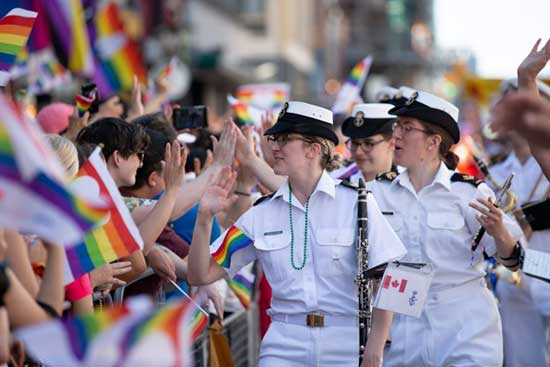
2SLGBTQI+ Veterans have played a major role in Canada's military history and are a vital part of its diversity. Despite facing unfair treatment in the past, this community remains strong and continues to inspire positive change.
We regularly meet with the LGBT Purge Fund and Rainbow Veterans Canada (RVC) to hear about their experiences. Those insights help us improve our programs, benefits and services for all Veterans. It also guides us in creating safe, supportive environments where 2SLGBTQI+ Veterans are recognized and respected.
For instance, these partners helped shape the agenda for the 2024 2SLGBTQI+ Veterans Forum, which brought the community together to learn, share and discuss ways to promote fairness for current and future Veterans.
Last spring, 2SLGBTQI+ Veterans from RVC and the LGBT Purge Fund traveled to France and Belgium. They visited First World War sites, retracing the steps of Canadian soldiers and honouring the stories of 2SLGBTQI+ service members that were overlooked.
Through these and other ongoing partnerships, 2SLGBTQI+ Veterans are helping us create a more accepting future—one where we celebrate all Veteran service, no matter their sexual orientation or gender identity. We thank and honour you during this Pride season.
Working with Women Veterans to improve how we serve them
Women Veterans are the fastest growing group of Canadian Veterans. Their health, medical conditions, and treatment options resulting from military service are different than those of male Veterans.
One year ago, the Standing Committee on Veterans Affairs (ACVA) released its first study devoted entirely to Women Veterans. The report: “Invisible No More. The Experiences of Canadian Women Veterans” made 42 recommendations to help better support their journey as Veterans.
We take these findings seriously and have been taking action. For example, we have:
- published new and revised Disability Benefit Entitlement Eligibility Guidelines, with Gender-Based Analysis Plus applied
- consulted with Women Veterans to develop a Women Veterans Research Plan
- launched the Women Veterans Council—built by women, for women
To every woman who has served: We hear you. We support you. And we are making changes—with you.
Read the report and Government response here.
Spotlight on Women Veterans
Treena Scurlock’s story of service and sacrifice
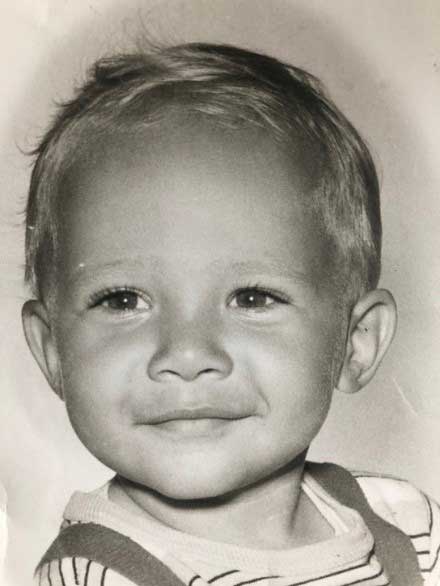
A promotion to Commander is an exciting Navy career milestone—but it was met with mixed feelings for Commander (Retired) Treena Scurlock. The rise in rank meant further delaying the gender transition that was becoming increasingly difficult to postpone.
“I was handed responsibility for a 45-person team, I knew my own journey would have to wait. But how long could I wait to be myself?” she said.
“I knew I had to suppress my identity to meet the expectations of leadership.”
For over three decades, Scurlock, 61, served her country with dedication and pride, all while carrying a deeply personal truth. Like many 2SLGBTQI+ Veterans, she faced an institution that wasn’t yet ready to accept her full self.
It wasn’t until retirement in 2018 that she could embrace her identity as a transgender woman.
Veterans' stories
Brian Prairie: The adventure of a lifetime
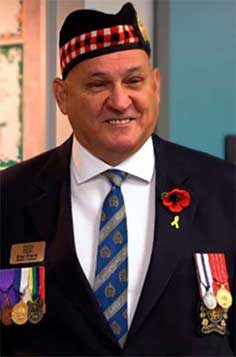
While his time in the Army was certainly adventurous, Warrant Officer (Retired) Brian Prairie admits that he did not feel he had an opportunity to express his culture at work.
People who served with him knew he was Métis, but he says that his identity was never really “broadcasted.” Métis soldiers like Prairie did not have the option to identify themselves until the Constitution Act passed in 1982. They were soldiers first.
“It was one of those things where we were there, but we weren’t there,” he said.
Read more about Prairie’s experiences as a Métis Veteran.
Commemoration
Funding available for projects honouring Canadian Veterans
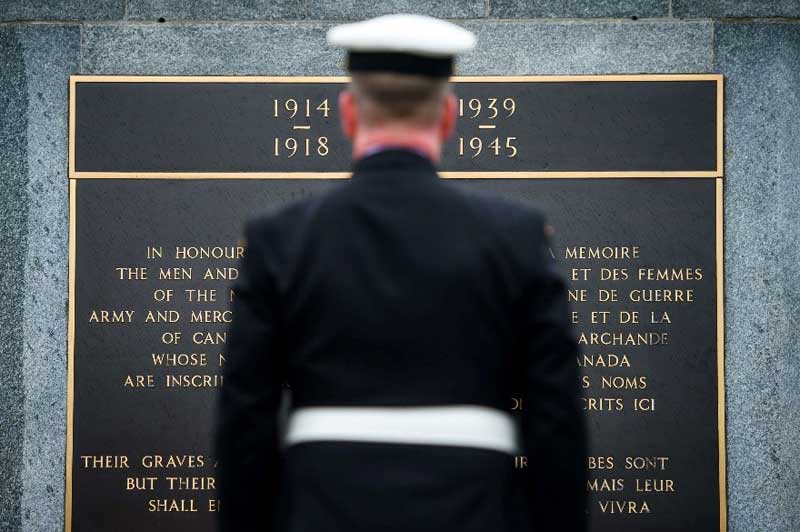
We offer funding to help organizations create remembrance projects.
Whether your community wants to hold commemorative events or restore a war memorial, funding is available to support these activities.
There are two types of projects:
- Community Engagement (events and activities)
- Community War Memorials (restoring or creating memorials)
Deadline dates depend on your project and the amount of funding you are requesting. Be sure to read the guidelines carefully.
Visit the Commemorative Partnership Program page for more information and to apply.
Chief Joseph Dreaver: From combat to community impact
Chief Joseph Dreaver was a Veteran of the First and Second World Wars who made major contributions as a soldier, Veteran and leader in the Indigenous community.
He served overseas during the First World War, earning the Military Medal for bravery in the field. After the war, Dreaver was Chief of the Mistawasis Nêhiyawak for over 40 years, fighting to improve healthcare and education and end discrimination.
Painting the path to change

In 2010, Saulteaux Cree artist Mike Holden created a painting to honour Dreaver. Found in the Canadian War Museum’s collection, it shows the complex relationship between Indigenous peoples and the countries they have both served for and fought against.
The video “My Grandpa Joe: Learning about Indigenous Veterans through art,” created in partnership with the Canadian War Museum, explores Chief Dreaver’s life and service , as told by his grandson, Anthony Dreaver Johnston.
You can also check out our learning materials.
Write to a Veteran
It is always the right time to say thank you. Schools and community groups can thank Veterans in their community with one of our special recognition cards. Learn more about Indigenous Veterans in Canada.
Commemoration calendar
July
July 1: The forts at Halifax and Esquimalt transferred from British control to Canada (1905)
July 1: Newfoundland Regiment suffered heavy losses at Beaumont-Hamel (1916)
July 1: Canada launched Operation Match as part of the UN Observation Mission in El Salvador (1991)
July 5: HMC Ships Athabaskan, Cayuga and Sioux sailed from Esquimalt, British Columbia, to join the United Nations naval forces operating off the coast of Korea (1950)
July 9: As part of Operation Eclipse, a RCAF Spitfire captured high altitude photographs of a total eclipse of the sun while flying over Lake Winnipeg (1945)
July 10: Canadian and Allied troops invaded Sicily during Second World War (1943)
July 11: Flight Sub-Lieutenant Harold James Arnold, became the first Canadian aviator in the Royal Naval Air Service (RNAS) decorated after participating in the sinking of the German surface raider Konigsberg (1915)
July 20: CAF helicopters rescued stranded people during Saguenay River floods in Québec (1996)
July 22: The British Commonwealth Air Training Plan begins operations by training students at schools across Canada (1940).
July 27: The RCAF begins its participation in the Korean Airlift (1950)
For a complete list of activities, please visit our calendar of commemorative events.
Do you know other Veterans, family members or others who would benefit from the information in this newsletter? Feel free to share it with them.
Follow us on social media:
Do you know other Veterans, family members or others who would benefit from the information in this newsletter? Feel free to share it with them.
ISSN: 1926‑5948