
Profile image
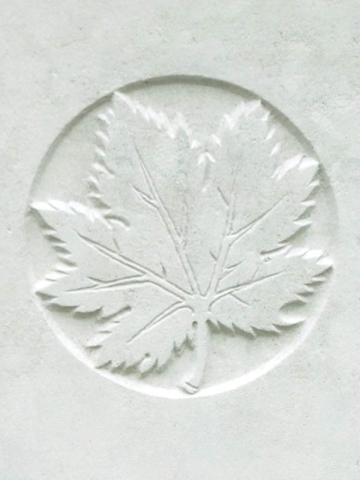
Military service
Rank:
Second Lieutenant
Force:
Army
Unit/Regiment:
Cameron Highlanders
Division:
7th Bn.
Enlistment:
Toronto, Ontario
Death:
October 14, 1917
Burial/memorial information
Grave reference:
Bay 9
Digital gallery of Second Lieutenant Ernest Dryden Hosken
-
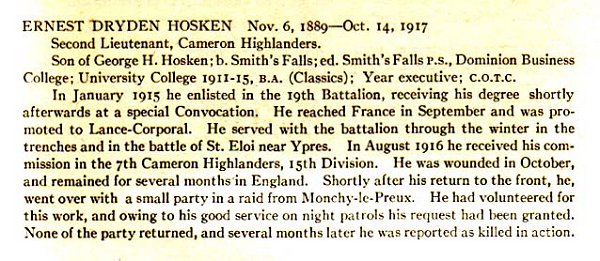
Roll of Service
From the "University of Toronto / Roll of Service 1914-1918", published in 1921. -
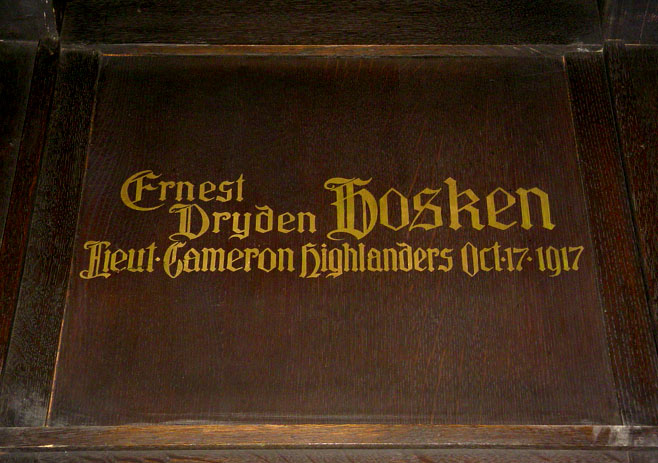
Memorial
A detail of the memorial panel dedicated to 2nd Lt. Ernest Dryden Hosken. Located in the St. Thomas Church Baptistry, Toronto, Ontario. -
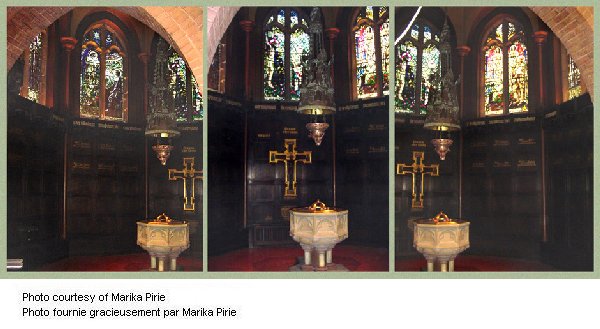
St Thomas (Anglican) Church
St. Thomas (Anglican) Church, Huron St., Toronto, Ontario. The octagonal Baptistry (1917) houses a central baptismal font, and also serves as a World War One memorial for the war dead of this parish. The room includes stained glass windows by the Bromsgrove Guild. These show images of medieval knights, St. Michael the Archangel and St. George, and a wounded soldier in a circa 1914-1918 military uniform standing among red poppies. Individually inscribed wooden war memorial panels line the walls. Each panel includes the name of a war casualty in gilt lettering with rank, unit and date of death. -
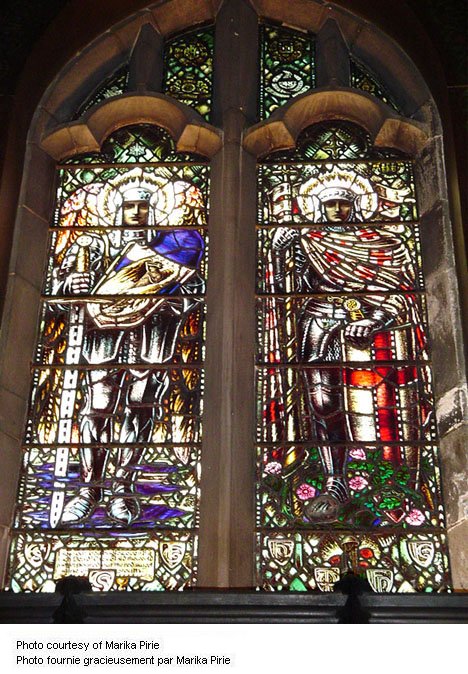
War Memorial Window
One of the sets of War Memorial stained glass windows in the St. Thomas Church Baptistry. -
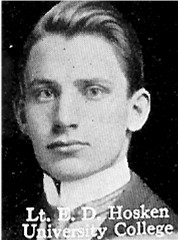
Photo of Ernest Hosken
From: The Varsity Magazine Supplement published by The Students Administrative Council, University of Toronto 1916. Submitted for the Soldiers' Tower Committee, University of Toronto, by Operation Picture Me. -
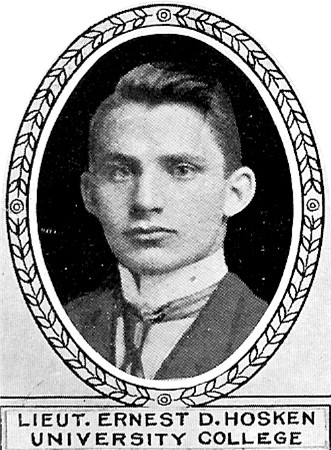
Photo of Ernest Hosken
From: The Varsity Magazine Supplement Fourth Edition 1918 published by The Students Administrative Council, University of Toronto. Submitted for the Soldiers' Tower Committee, University of Toronto, by Operation Picture Me. -
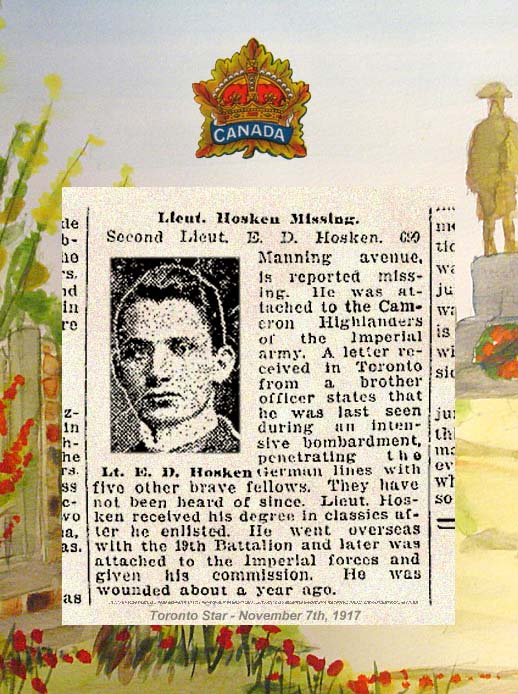
Newspaper Clipping
In honoured memory. -
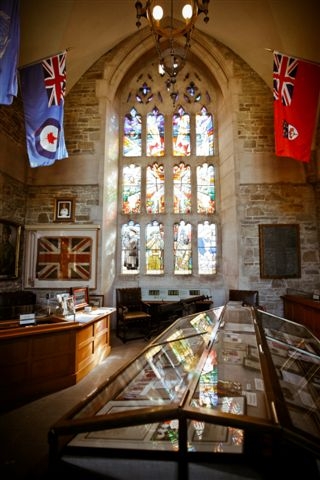
Memorial Room
Memorial Room, Soldiers' Tower, University of Toronto. Photo by David Pike, 2010; courtesy of Alumni Relations. -
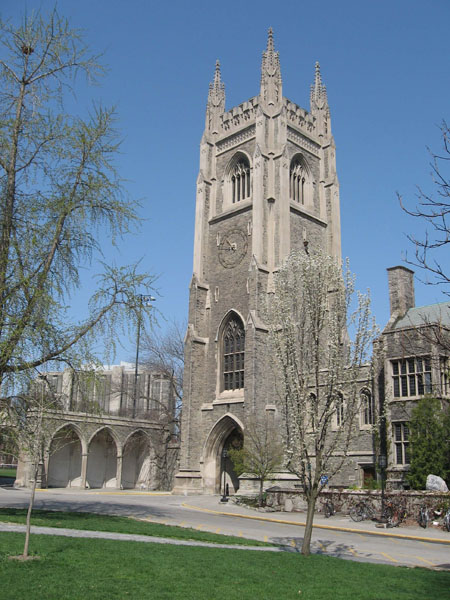
Soldiers' Tower Memorial
The Soldiers' Tower was built at University of Toronto between 1919-1924 in memory of those lost to the University in the Great War. Funds were raised by the Alumni Federation (now called the University of Toronto Alumni Association.) The name of "2nd Lt E. D. HOSKEN Camn Highrs" is among the 628 names carved on the Memorial Screen, seen at photo left. Photo: K. Parks, Alumni Relations. -
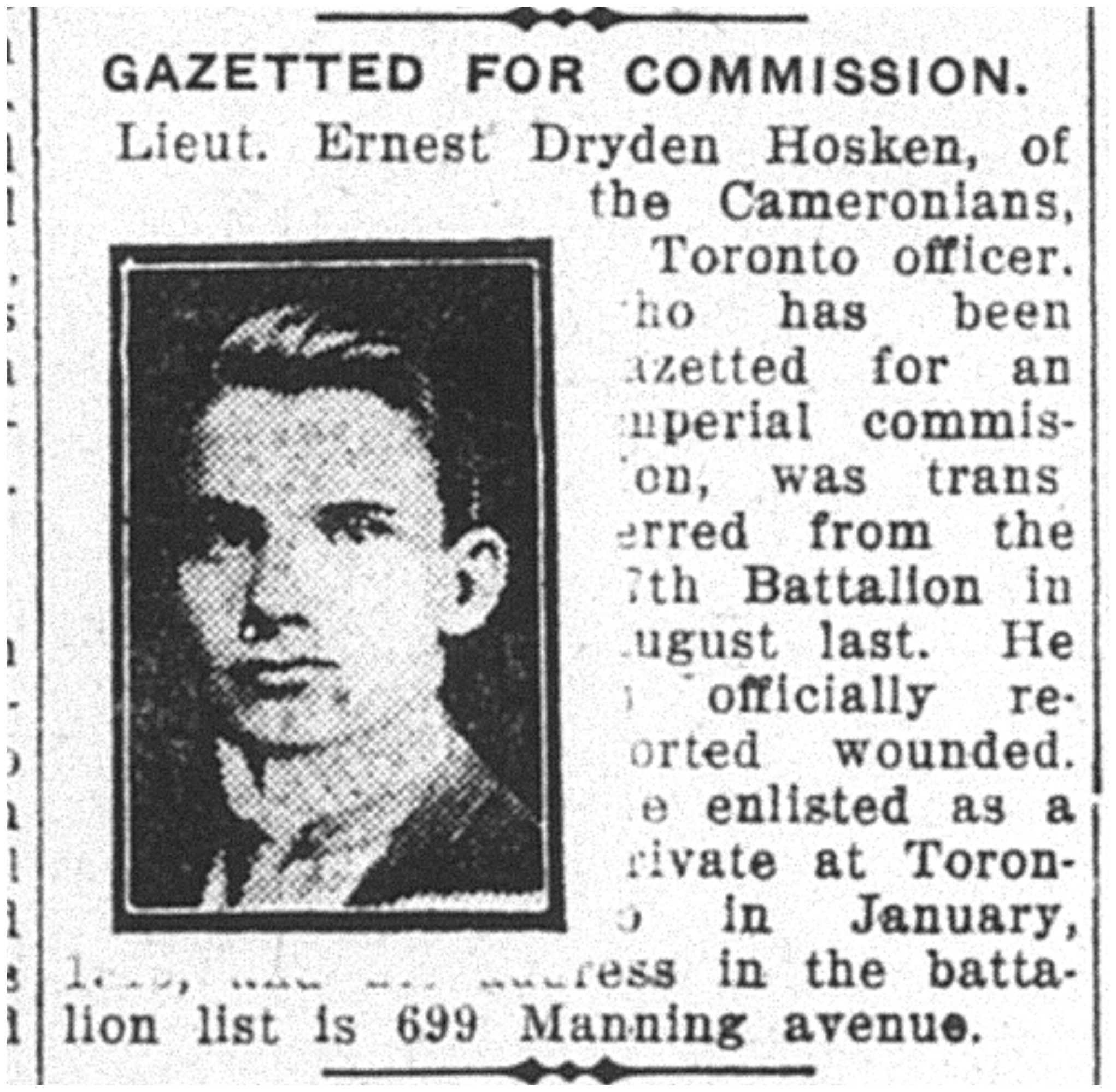
Newspaper clipping
From the Toronto Telegram October 1916. Submitted for the project Operation Picture Me -
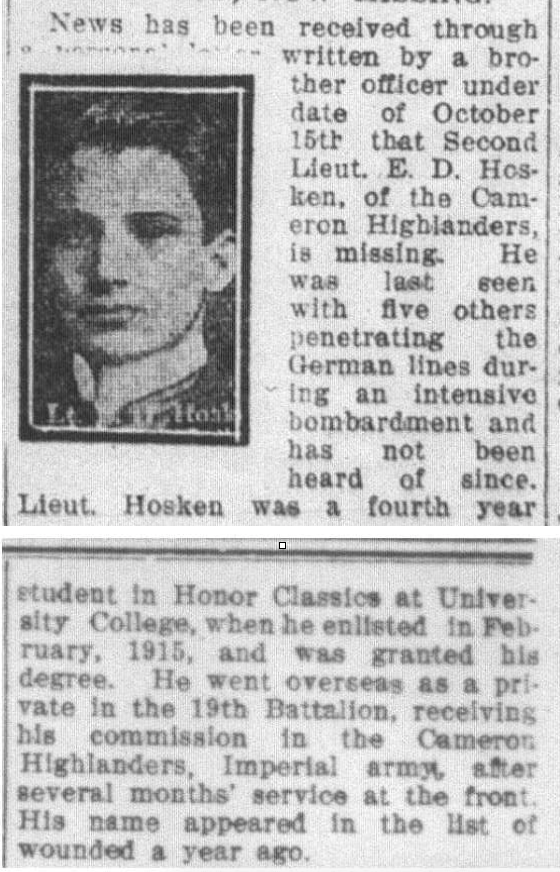
Newspaper clipping
From the Toronto Telegram November 1917. Submitted for the project Operation Picture Me
Digital gallery of
Second Lieutenant Ernest Dryden Hosken
Digital gallery of
Second Lieutenant Ernest Dryden Hosken
Digital gallery of
Second Lieutenant Ernest Dryden Hosken
Digital gallery of
Second Lieutenant Ernest Dryden Hosken
Digital gallery of
Second Lieutenant Ernest Dryden Hosken
Digital gallery of
Second Lieutenant Ernest Dryden Hosken
Digital gallery of
Second Lieutenant Ernest Dryden Hosken
Digital gallery of
Second Lieutenant Ernest Dryden Hosken
Digital gallery of
Second Lieutenant Ernest Dryden Hosken
In the Books of Remembrance
Commemorated on:
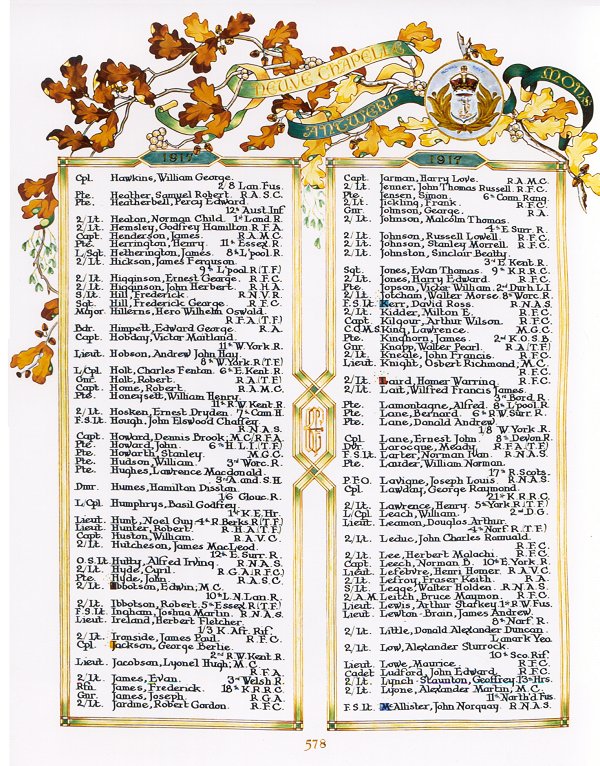
Page 578 of the First World War Book of Remembrance.
Request this page
Download this page
The Poppy Design is a trademark of The Royal Canadian Legion (Dominion Command) and is used with permission. Click here to learn more about the poppy.
Did we miss something?
Contribute information to this commemorative page
Do you have photographs, information or a correction relating to this individual’s virtual memorial? Learn more about the CVWM and the information we collect.