
The Faces of Peace – Canadian peacekeepers

Canadian peacekeepers with the United Nations Emergency Force on patrol in Egypt in 1962. Photo: Department of National Defence
Canadian peacekeepers
Aim
To increase youth awareness about Canadians who have served in peacekeeping missions.
Objectives
Through this activity, youth will:
- learn about the contributions and sacrifices of Canadians who served in peacekeeping missions; and
- present their findings to the class.
Target audience
This activity is suitable for grades 7-12.
Activity sequence and expected duration [approximately 75 minutes]
You can modify the activity to fit the amount of time available.
Stepping into their boots
Learning stations about Black Canadians in uniform
Activity description
In this 90-minute activity, students will work in groups to research Black Canadian Veterans. They will create a visual time line of these Veterans’ military service. Students will research online resources.
Clive Milner
Major-General (Retired) Clive Milner was born in the city of Derby, United Kingdom, in 1936. He lost his father at the end of the Second World War and his mother gave him the best upbringing she could. As a child, Milner supported his local soccer club, Derby County, and even saw them win the FA Cup at Wembley Stadium. The self-described “farm boy from England,” later graduated from agricultural college and moved to Canada in search of work.
Michel Duhamel
What led you to a military career?
I joined the military in 1977 at 17 years old. I was really drawn to the military after spending four years in the Royal Canadian Air Cadets. The Cadets taught me many valuable life skills but more importantly, the understanding that collaborating with others, we could succeed in completing difficult tasks that could not be accomplished by individuals. I truly enjoyed the discipline and camaraderie in the Cadets, so the military was a good fit for me.
John Alexander
Introduction
Lieutenant-Colonel (Retired) John Alexander was born in Miami, Manitoba. An aerospace engineer by trade, John served with the Canadian Armed Forces for 29 years. His service took him around the world and made him proud to give back to his country.
His interest in joining the military started while he was on a youth exchange through the Lions Club in Okinawa, Japan, at 16 years old. Sitting in the seat of an F4 Phantom ignited his desire to pursue a career in the military.
Charles Isaacs
For Sgt. (retired) Chuck Isaacs, service didn’t end with his retirement from a long, brave, and exhilarating military career. In many ways, it began again—with a fight to be seen, heard, and healed as an Indigenous Veteran.
Trevor Jain
*Warning: this content involves graphic subject matter that some may find disturbing. Reader discretion is advised.
If you are a Veteran, family member or caregiver in need of mental health support, the VAC Assistance Service is available to you 24/7, 365 days a year at no cost. Call 1-800-268-7708 to speak to a mental health professional right now.
Alfred Babin
Introduction
On the 80th anniversary of Victory over Japan Day (V-J Day), Canadians are called to reflect on the sacrifice and endurance of those who lived through one of the lesser-known chapters of the Second World War.
Treena Scurlock
Service and sacrifice
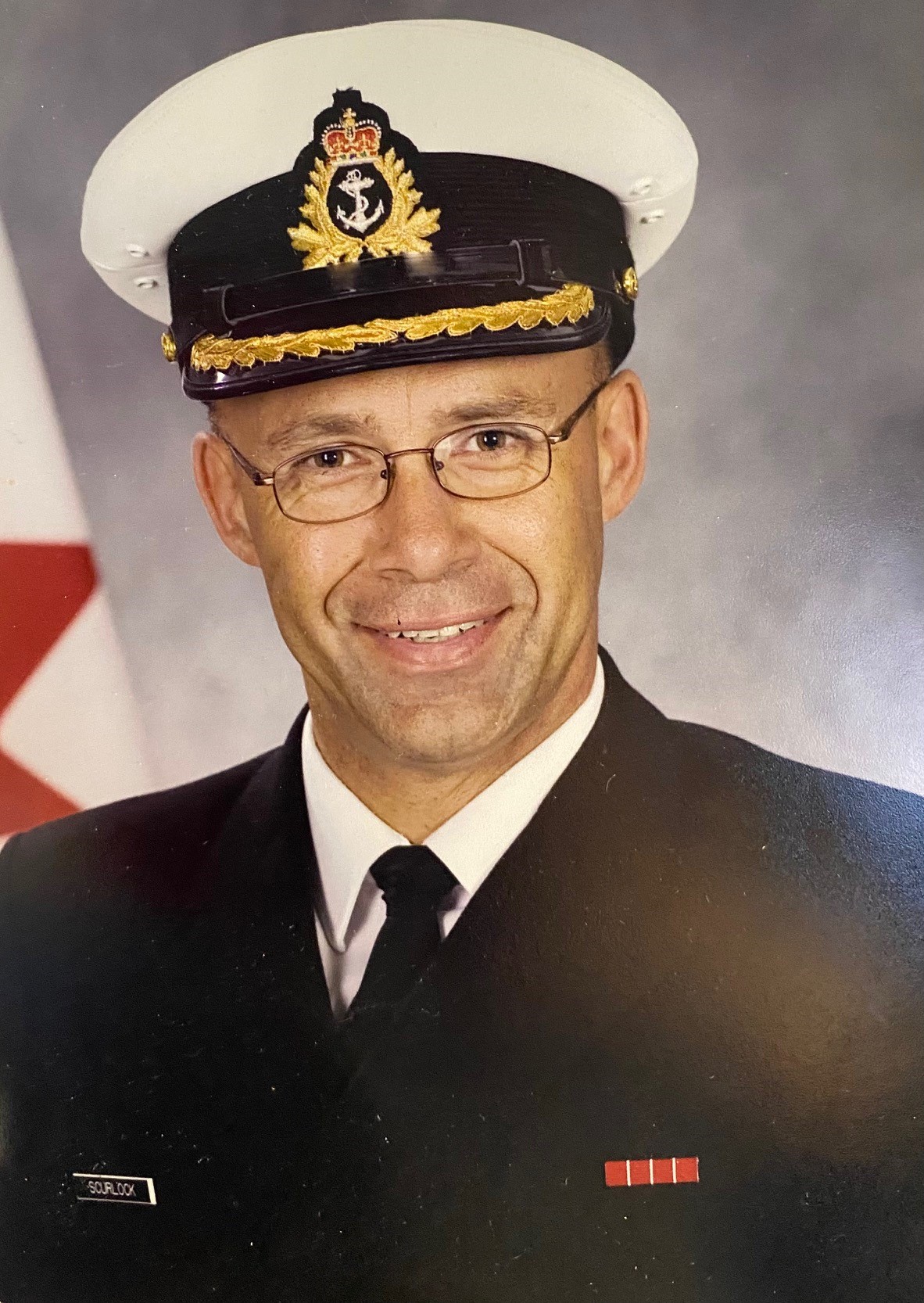
Treena Scurlock in Navy uniform in 2004.