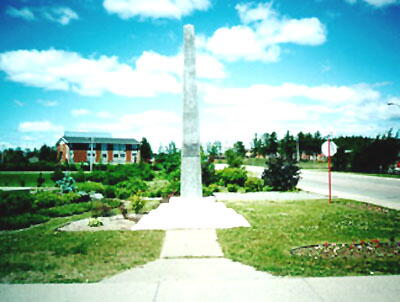
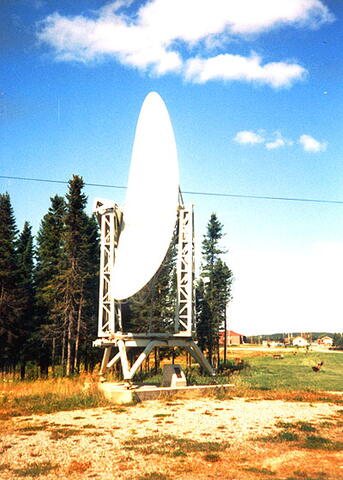
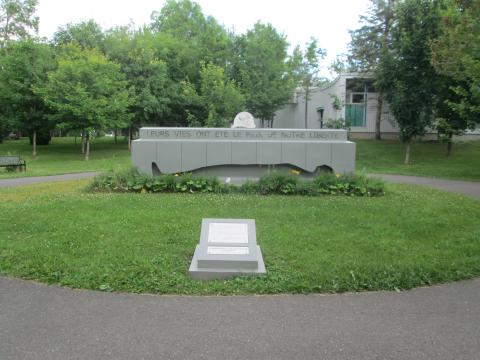
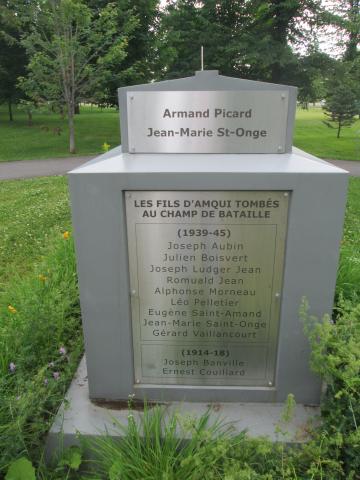
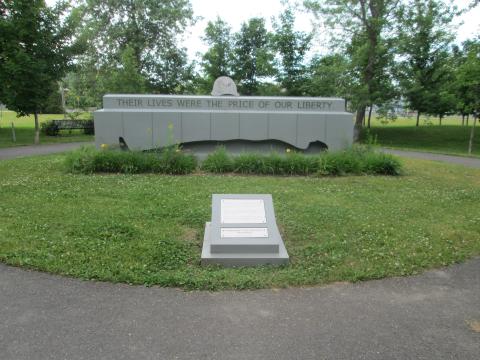
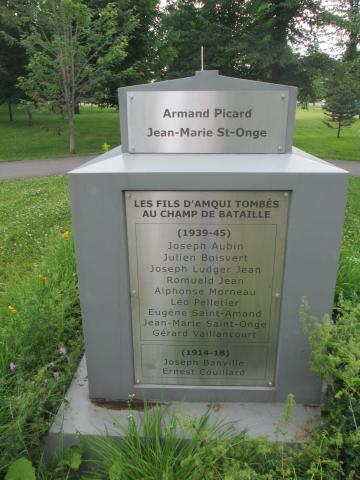
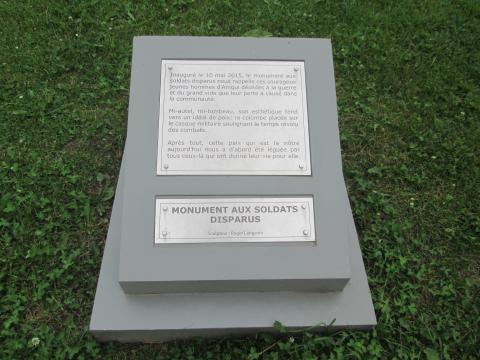
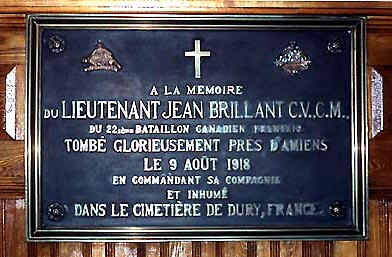
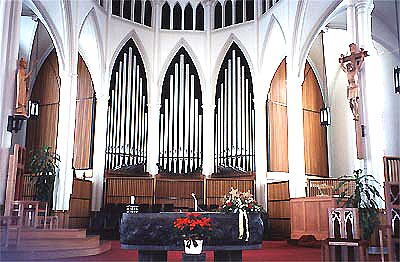
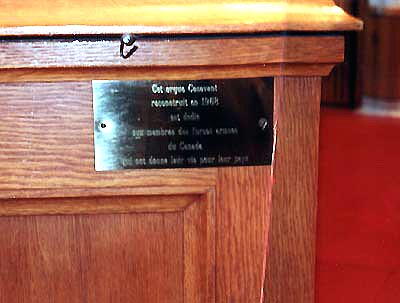
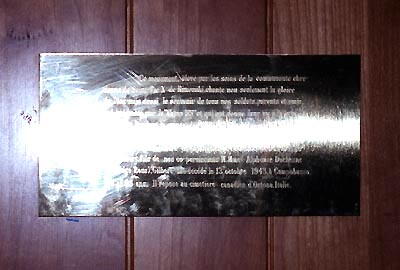
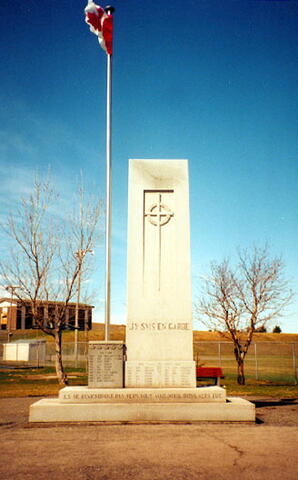
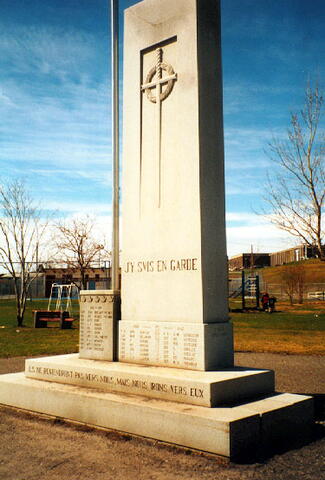
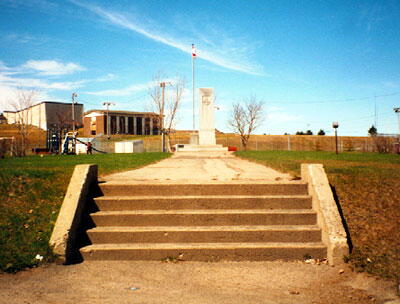
Memorial dedicated to the military men and women from Donnacona.
My VAC Account
My VAC AccountHommage à nos citoyens qui ont combattu et contribué à maintenir la paix dans le monde.
11 novembre 2015
Ville de Donnacona
Memorial dedicated to the military men and women from Donnacona.
[front/devant]
[left side/côté gauche]
Garde
Cotière
[right side/côté droit]
Coast
Guard
Starting its active service in November 2012, the Canadian Coast Guard Ship (CCGS) Caporal Kaeble V.C. is a mid-shore patrol vessel. It is one of nine Hero-class patrol vessels ordered by the Department of Fisheries and Oceans/Canadian Coast Guard, in September 2009. Each of the nine Hero-class patrol vessels will be named for personnel from the Royal Canadian Mounted Police (RCMP Officers), Canadian Coast Guard (sailors, aircrew), Department of Fisheries and Oceans (fisheries officers) and Canadian Forces (soldiers, sailors, and aircrew) who are credited with performing exceptional or heroic acts during their service.
Joseph Thomas Kaeble was born in St-Moïse, Quebec on 5 May 1892. Before he enlisted in the 22nd Infantry Battalion, Canadian Expeditionary Force during the First World War, he earned his living as a mechanic.
Corporal Kaeble was awarded the Victoria Cross posthumously for demonstrating singular bravery on 8 and 9 June 1918. He was in charge of a machine gun section in the Canadian line near Neuville-Vitasse, near Arras in France, when an intense bombardment fell on the trenches heralding a strong enemy raid. By the time the shells stopped falling, all of his section but one were casualties. Seeing some fifty Germans advancing toward his position, Kaeble jumped over the parapet of his trench firing a Lewis machine gun at the approaching enemy. Although repeatedly struck, Corporal Kaeble continued to empty one magazine after another into the attackers until he fell back into the trench mortally wounded, dying shortly afterward. The repulse of the enemy raid at this point was due to his courage.
ADJUDANT-CHEF JEAN COUTURE, OMM, CD
PREMIER SERGENT-MAJOR RÉGIMENTAIRE (SMR) DU ROYAL 22e RÉGIMENT
CETTE STATUE DE L’ADJUDANT-CHEF JEAN COUTURE, PREMIER SOUS-OFFICIER SUPÉRIEUR À AVOIR ÉTÉ SERGENT-MAJOR RÉGIMENTAIRE EN 1958, REFLÈTE LA TRADITION D’EXCELLENCE, DE FIERTÉ ET DE PROFESSIONALISME DES SOU-OFFICIERS DU ROYAL 22e RÉGIMENT.
LES SOUS-OFFICIERS EST-CE PIVOT INDISPENSABLE ENTRE L’ORDRE ET L’EXÉCUTION, IL EST LE CIMENT QUI LIE L’UNITÉ EN UN TOUT COHÉRENT.
LES VALEURS D’INTÉGRITÉ, DE COURAGE ET DE LOYAUTÉ DU CORPS DES SOUS-OFFICIERS DU ROYAL 22e RÉGIMENT SONT UNE SOURCE CONSTANTE D’INSPIRATION POUR TOUS LES MILITAIRES DU RÉGIMENT.
JE ME SOUVIENS
CHIEF WARRANT OFFICER JEAN COUTURE, OMM, CD
FIRST REGIMENTAL SERGEANT MAJOR (RSM) OF THE ROYAL 22e RÉGIMENT
THIS STATUE OF CHIEF WARRANT OFFICER JEAN COUTURE, THE FIRST SENIOR NON-COMMISSIONED OFFICER HAVING BEEN REGIMENT SERGEANT MAJOR IN 1958, REFLECTS THE TRADITION OF EXCELLENCE, PRIDE, AND PROFESSIONALISM OF NON-COMMISSIONED OFFICERS OF THE ROYAL 22e RÉGIMENT.
THE NON-COMMISSIONED OFFICER PLAYS A PIVOTAL ROLE BETWEEN ORDER AND EXECUTION; HE IS THE CEMENT THAT HOLDS THE UNIT INTO A COHERENT WHOLE.
THE VALUES OF INTEGRITY, COURAGE AND LOYALTY OF THE BODY OF NON-COMMISSIONED OFFICERS OF THE ROYAL 22e RÉGIMENT ARE A CONSTANT SOURCE OF INSPIRATION FOR ALL MEMBERS OF THE REGIMENT.
I REMEMBER
This bronze statue, which depicts Warrant Officer Jean Couture, CD, Regimental Warrant Officer, honours current and former non-commissioned members of the Royal 22nd Regiment. It was created by Mr. Dennis Gagnon and unveiled on November 11, 2013, marking the centennial of the Royal 22nd Regiment.
|
SITE HISTORIQUE NATIONAL DE GÉNIE CIVIL |
NATIONAL HISTORIC CIVIL ENGINEERING SITE |
FORTIFICATIONS DE/OF QUEBEC
|
LE SYSTÈME DÉFENSIVE DE QUÉBEC ILLUSTRE UNE ŒUVRE D’INGÉNIERIE REMARQUABLE ÉLABORE PENDANT LA PÉRIODE COLONIALE, IL TRADUIT LES APPORTS SUCCESSIFS DE PLUSIEURS INGÉNIEURS |
QUEBEC CITY’S DEFENSIVE SYSTEM IS REMARKABLE FEAT OF ENGINEERING. BUILT DURING THE COLONIAL PERIOD, IT REPRESENTS THE WORK OF A SUCCESSION OF ENGINEERS. |
GASPARD-J. CHAUSSEGROS DE LÉRY
1682-1756
|
HOMMAGE A CET INGÉNIEUR QUI OCCUPE UNE PLACE DE CHOIX DANS L’HISTOIRE CANADIENNE, EN RAISON DE SON ŒUVRE CONSIDÉRABLE EN NOUVELLE-FRANCE. LES REMPARTS DE QUÉBEC EN SONT UN TEMOIN IMPORTANT.
SOCIÉTÉ CANADIENNE DE GÉNIE CIVIL
1992 |
A TRIBUTE TO THIS ENGINEER, KNOWN IN CANADIAN HISTORY FOR HIS ACCOMPLISHENTS IN NEW FRANCE. THE RAMPARTS OF QUEBEC CITY ARE A GREAT EXAMPLE OF HIS WORK.
CANADIAN SOCIETY FOR CIVIL ENGINEERING
|
A plaque near the Porte St Louis of the fortified part of Québec City was dedicated in 1992 by the Canadian Society of Civil Engineering as a tribute to Gaspard Chaussegros de Léry, the third “King’s Engineer” in New France 1716 - 1756. Highlights of his career include planning the outer stone wall of Montreal’s fortifications as well as planning Fort Niagara and Fort Saint-Frédéric. In addition, he supervised work on Québec’s fortifications, designed two naval shipyards in Québec City, several churches, the Episcopal Palace and the façade of the Québec Cathedral.
There are several Canadian geographical names that honour the ‘sapper’
[plaque/plaque]
LE SIÈGE DE QUÉBEC, 1775-1776
THE SIEGE OF QUÉBEC, 1775-1776
Ici, à la barricade du Sault-au-Matelot, la milice canadienne et
les forces britanniques, sous l’autorité du gouverneur Carleton,
repoussèrent l’assaut des « Congressistes » américains, le
31 décembre 1775. À Près-de-Ville, au pied de la Citadelle
actuelle, une trentaine de milicien québécois et une poignée de
matelots anglais firent également échec au général Montgomery.
Ces faits d’armes furent décisifs dans la défaite des envahisseurs
qui assiégeaient Québec depuis l’automne afin d’intégrer le
Canada à leur mouvement révolutionnaire. Ces derniers quittèrent
la ville en mai 1776, à l’arrivée des renforts britanniques.
Here, at the Sault-au-Matelot barricade, Canadian militia and
British forces under the general command of Governor Carleton
repelled attack of the American "Congressionists" on
December 31, 1775. At Près-de-Ville, near the foot of the current
Citadel, about thirty Québec militia and a few English sailors
also turned back General Montgomery. These displays of force
were critical defending Québec against the invaders who had
laid siege to the town since the fall, attempting to draw Canada
into their revolutionary movement. The Americans retreated in
May 1776, upon the arrival of British reinforcements.
Commission des lieux et monuments historiques du Canada
Historic Sites and Monuments Board of Canada
Gouvernement du Canada - Government of Canada
This memorial is dedicated to the Siege of Quebec 1775 - 1776. It was erected by the Historic Sites and Monuments Board of Canada.
EN CET ENDROIT FUR INHUMÉ
LE 4 JANVIER 1776 AVEC SES DEUX
AIDES DE CAMP McPHERSON ET
CHEESEMAN ET QUELQUES SOL-
DATS LE GÉNÉRAL AMÉRICAIN
MONTGOMERY TUÉ DANS LE
COMBAT DU 31 DÉCEMBRE 1775.
SES RESTES MORTELS FURENT
TRANSPORTÉS A NEW YORK,
ET INHUMÉS PRES DE L'ÉGLISE
ST-PAUL EN 1818.
IN THIS PLACE WAS BURIED
ON THE 4TH OF JANUARY 1776,
ALONG WITH IS TWO AIDES DE
CAMP McPHERSON AND CHEESEMAN
AND CERTAIN OF HIS SOLDIERS
RICHARD MONTGOMERY, THE AMERICAN GENERAL WHO WAS
KILLED DURING THE ATTACK ON
QUEBEC OF THE 31ST OF DECEMBER
1775. IN 1818 HIS REMAINS WERE
EXHUMED AND REMOVED TO THE PRE-
CINCTS OF ST-PAUL'S CHURCH, NEW YORK.
This memorial is dedicated to Richard Montgomery, an American general.
NOTRE-DAME-DES-VICTOIRES
CONSTRUITE EN 1688
NOMMEE AINSI A LA SUITE
DU CIEGE DE PHIPPS ET DU
DESASTRE DE LA FLOTTE DE WALKER
ELLE EST LA PLUS ANCIENNE
EGLISE DE PIERRE DU QUEBEC.
This memorial is dedicated to the oldest stone church in Quebec, Notre-Dame-des-Victoires.
KENT HOUSE
D'AILLEBOUST, GOVERNOR OF
NEW FRANCE, OCCUPIED THIS
HOUSE IN 1648.
DE RAMEZAY HERE SIGNED THE
CAPITULATION OF QUÉBEC IN 1759.
THE DUKE OF KENT, FATHER OF QUEEN VICTORIA,
RESIDED HERE FROM 1792 TO 1794.
This memorial commemorates the history of the Kent House. It was erected around 1952.
Canon allemand pris
13 avril 1917 au Bois
de Folie, crête de Vimy,
France, et utilisé par la
suite contre l'ennemi .
CANON ALLEMAND
German gun captured
April 13, 1917, at Bois
de Folie, Vimy Ridge,
France, and used
against the enemy.
GERMAN GUN
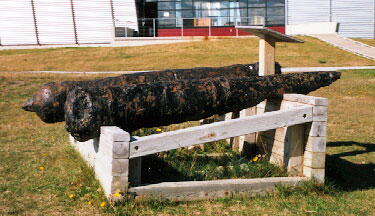
This canon was captured during the First World War at Vimy Ridge.