
Order of events
November 1956
The first United Nations Emergency Force (UNEF) is established to respond to the Suez crisis.
July 1960
United Nations Operation in the Congo (ONUC) begins.
March 1964
The United Nations Peacekeeping Force in Cyprus is established.
May 1974
The United Nations Disengagement Observer Force (UNDOF) is established in the Golan Heights between Syria and Israel.
9 August 1974
Nine CAF members die when their plane is shot down in the Middle East.
10 December 1988
The Nobel Peace Prize is awarded to all UN peacekeeping forces.
September 1991
Canadian troops join the multinational peace support effort in the Balkans.
October 1991
Canadian troops join the United Nations Advance Mission in Cambodia (UNAMIC).
April 1992
United Nations Operations in Somalia (UNOSOM) mission is established.
October 1993
United Nations Assistance Mission for Rwanda (UNAMIR) begins.
March 1995
Canadian troops join the United Nations Mission in Haiti (UNMIH).
October 1999
Canadian troops join the United Nations Transitional Administration in East Timor (UNTAET).
November 2000
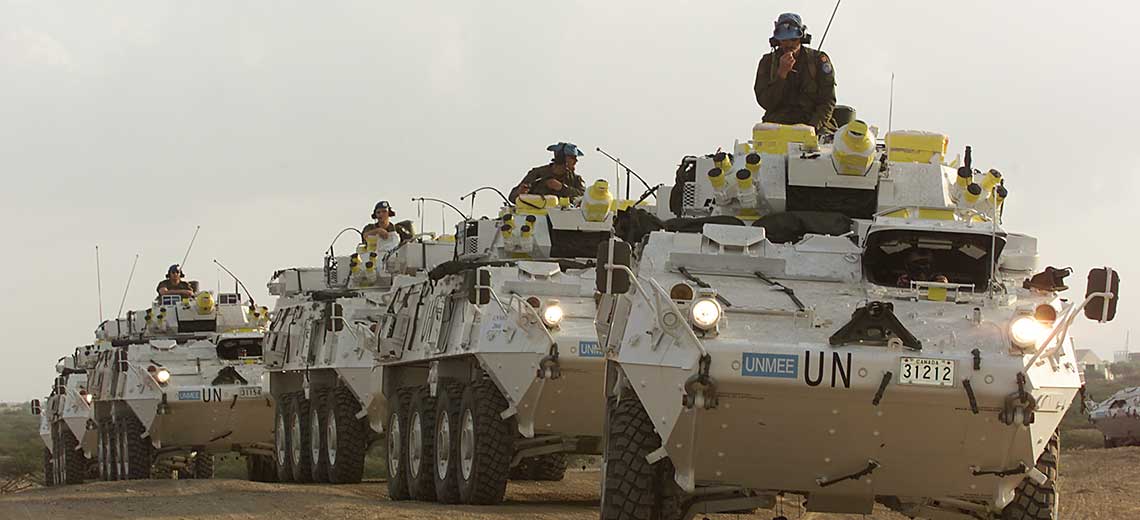
Canadian peacekeepers join the United Nations Mission in Ethiopia and Eritrea (UNMEE).
July 2018
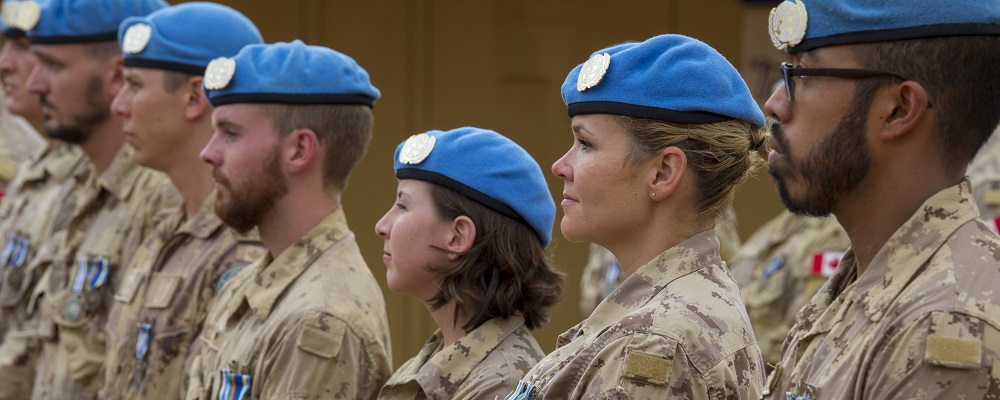
Canada begins its participation in United Nations peacekeeping efforts in Mali.
Canada and international peacekeeping
Late 1940s – present
Read more about Canada and international peacekeeping
Service, courage and sacrifice
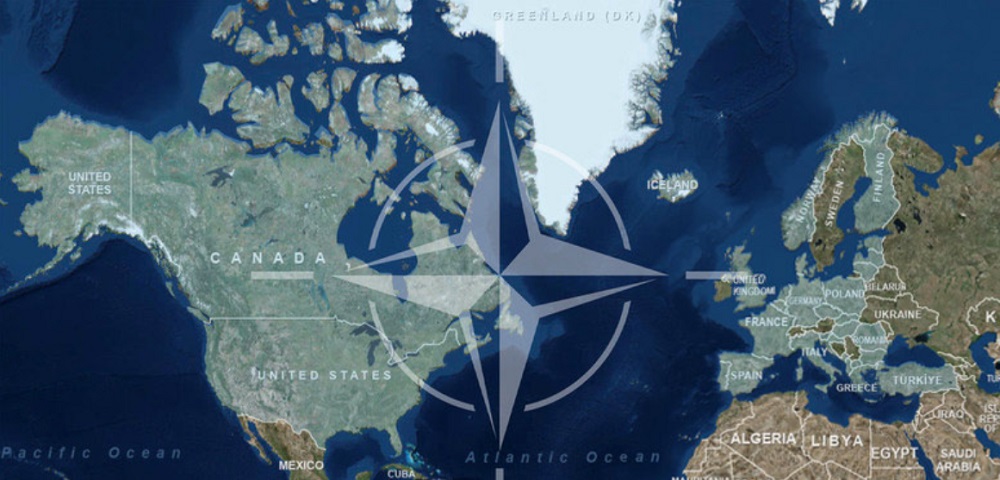
CAF members defend our country, protect our peace and stand up for security around the world. As part of these efforts, Canadians have deployed overseas to participate in United Nations (UN), North Atlantic Treaty Organization (NATO) and other multinational peace operations.
Peacekeepers are neutral international troops who are sent to countries in turmoil to help reduce tensions and restore peace. They play vital roles including monitoring ceasefires, patrolling buffer zones, clearing landmines, investigating war crimes, helping refugees and providing humanitarian aid.
Significant dates
International Day of UN Peacekeepers

Every year on 29 May, the UN pays tribute to all of the uniformed and civilian personnel who have supported UN peacekeeping efforts. The date also honours the more than 4,200 peacekeepers from around the world who have lost their lives serving under the UN flag.
National Peacekeepers'
Day

In Canada, a national ceremony is held in Ottawa each year at the Peacekeeping Monument – Reconciliation – on the Sunday closest to August 9. On this date in 1974, nine Canadian Armed Forces members died when their plane was shot down in the Middle East.
Around the world and across generations
More than 125,000 CAF members have served in international peacekeeping efforts in dozens of countries over the decades. Approximately 130 of them have lost their lives and many more have returned home with physical and psychological wounds.
Over 4,000 officers from the Royal Canadian Mounted Police and other police forces in Canada have also taken part in these missions. In addition, thousands of Canadian diplomats and civilians have made important contributions to these efforts.
Preventing conflict
Peacekeeping developed following the bloody world wars that killed tens of millions of people in the first half of the 20th century. In their aftermath, members of the international community increasingly looked for ways to prevent future conflicts.
Canada leads the way
Canada played a key role in creating the concept of UN peacekeeping. Canadian Secretary of State for External Affairs Lester B. Pearson was awarded the Nobel Peace Prize for his leadership in helping establish the United Nations Emergency Force in Egypt during the Suez Crisis of 1956. Canada also took part in this large-scale mission that helped prevent a wider war.
Related information
Elsie Initiative for Women in Peace Operations
The goal of this international agreement, announced in 2017, is to help increase the meaningful participation of women in UN peace operations.
This international agreement is intended to help protect children from being forced to fight in conflicts by making this issue a priority in peacekeeping operations.
UN peacekeeping operations and missions
Find more information about UN peacekeeping, peacebuilding and conflict prevention activities.
CAF Operations, Asia
CAF Operations, Europe
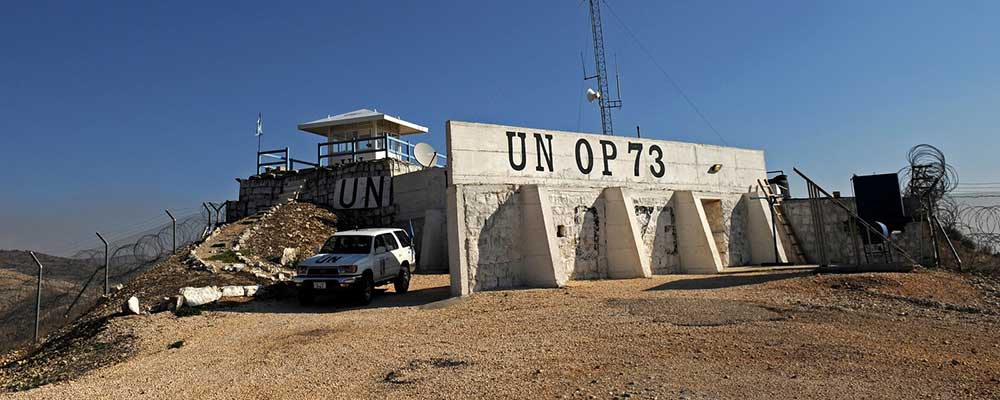
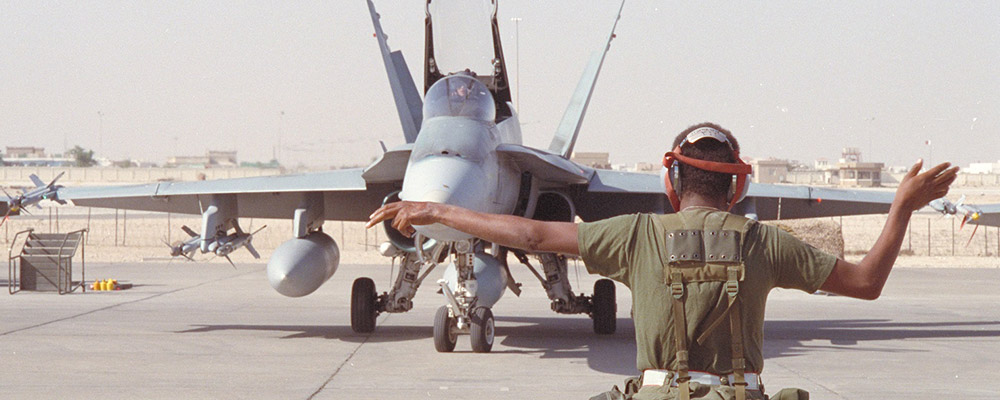
CAF Operations, Middle East
CAF Operations, Africa
CAF Operations, Americas
Related Memorials
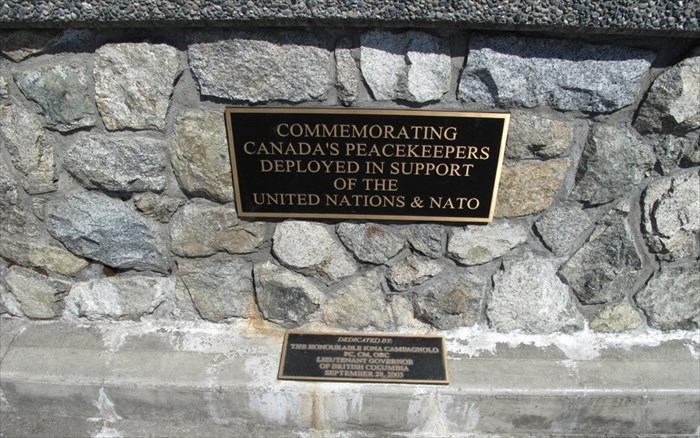
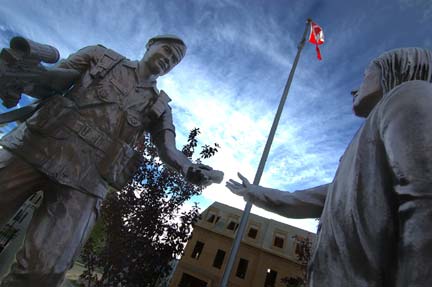
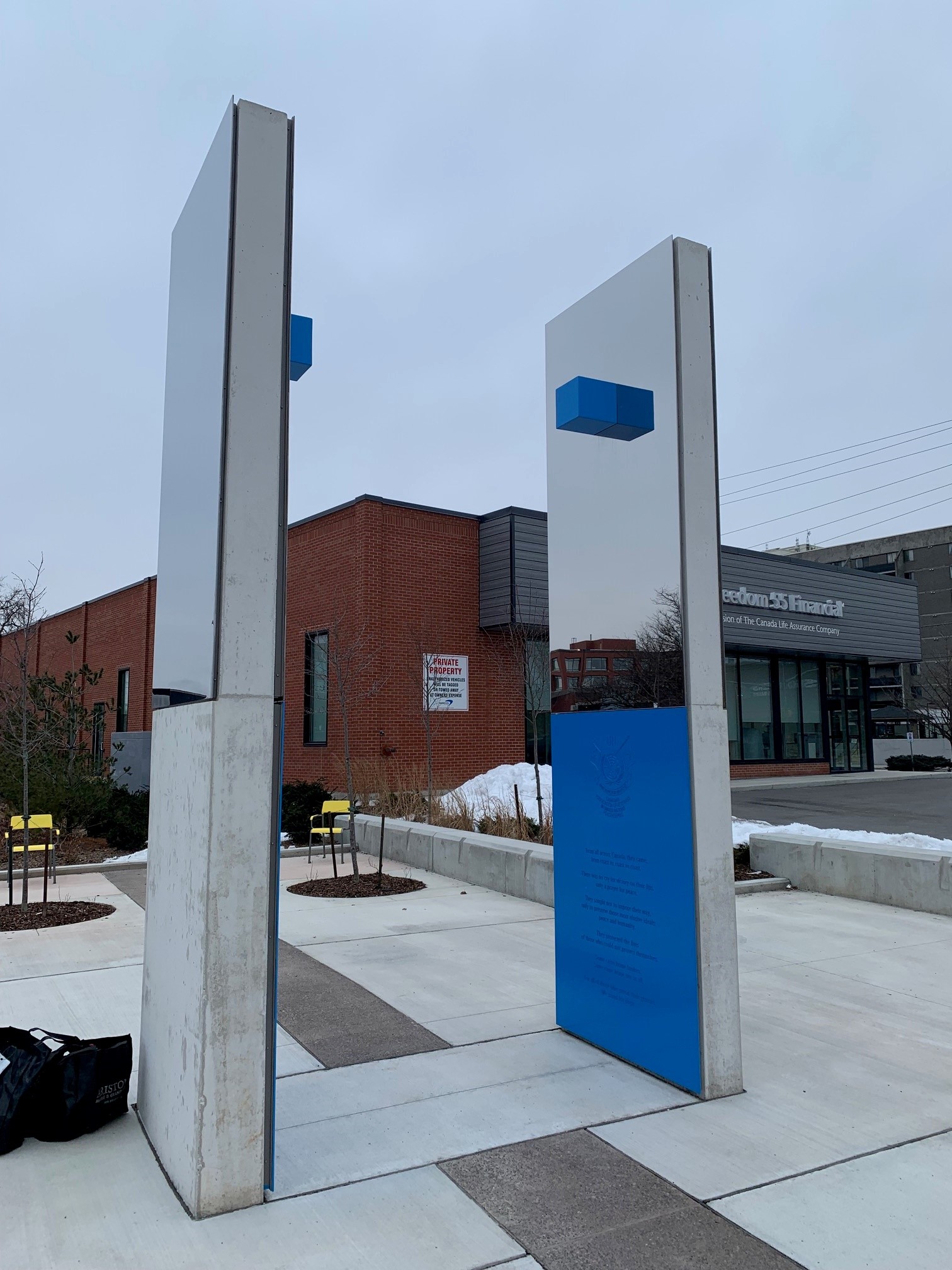
Related Lesson Plans
Photo Gallery
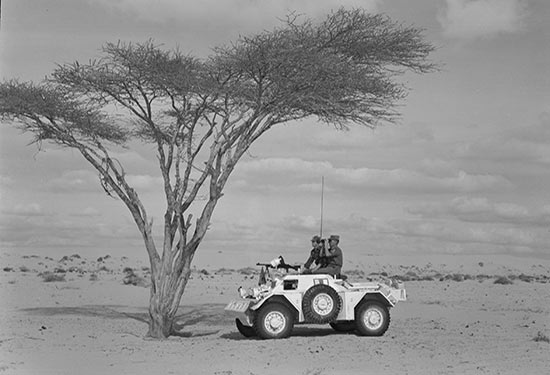
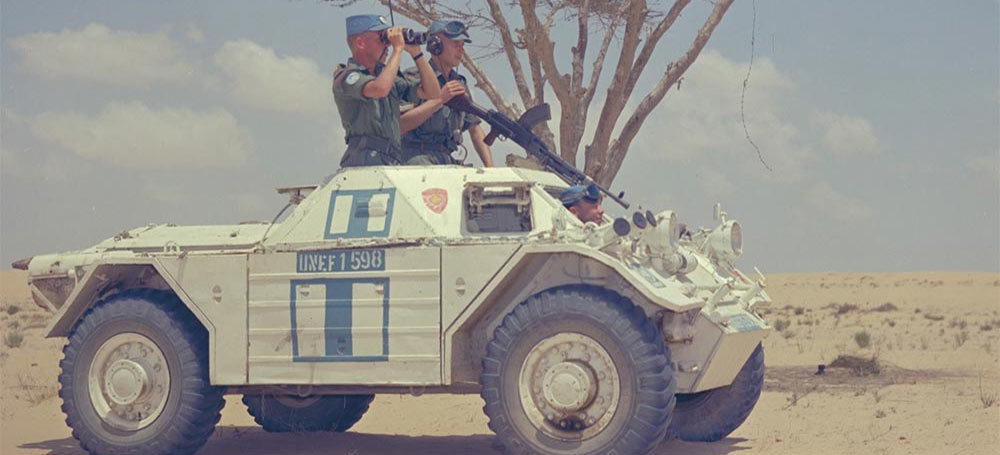
Canadian peacekeepers patrolling the desert in Egypt’s Sinai Peninsula in the 1960s. Photo: Department of National Defence
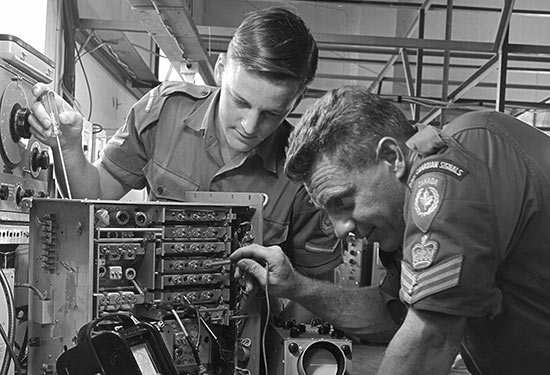
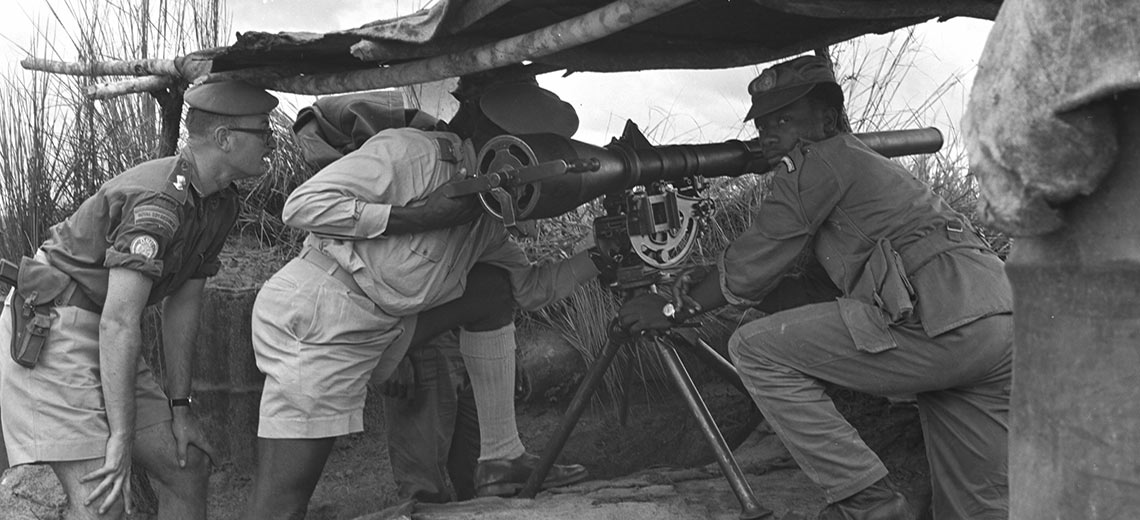
Canadian signalmen checking some equipment during the United Nations peacekeeping mission to the Congo in the early 1960s. Photo: Department of National Defence
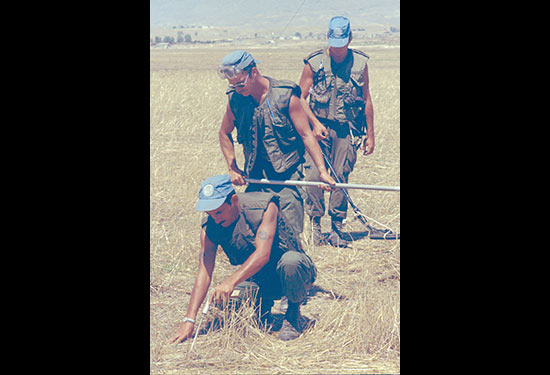
Canadian Armed Forces field engineers searching for landmines in Cyprus in 1974. Photo: Department of National Defence
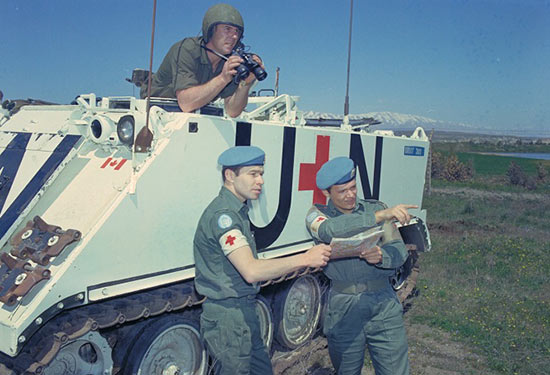
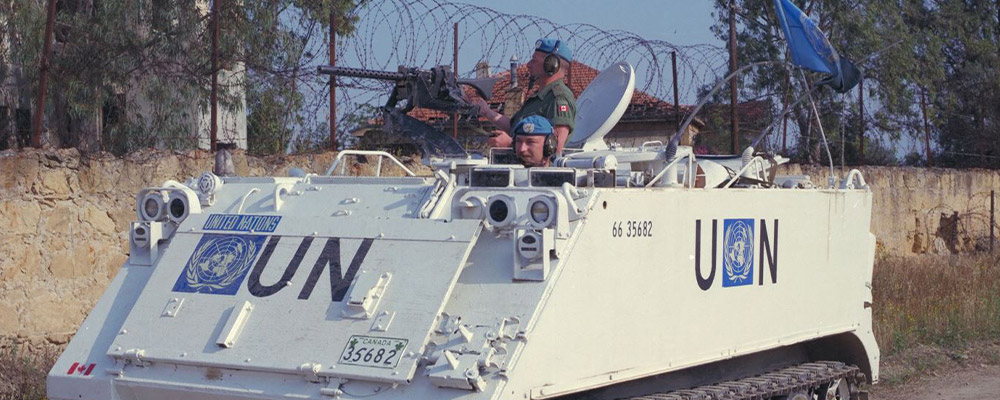
Canadian peacekeepers with their armoured personnel carrier in 1976 during the United Nations mission in the Golan Heights. Photo: Department of National Defence
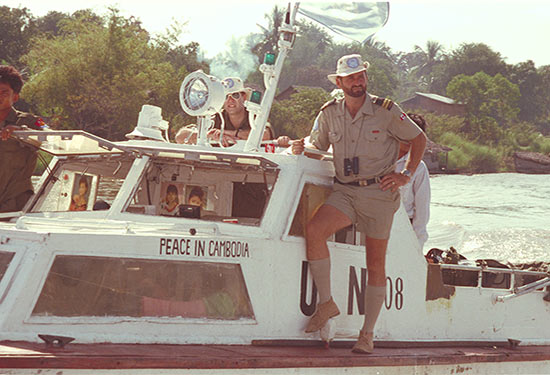
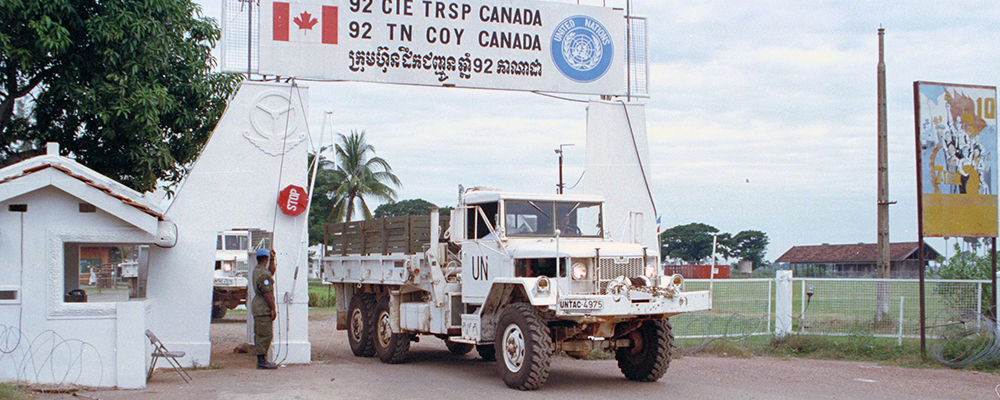
A Canadian sailor patrolling the Mekong River in 1992 during the United Nations peacekeeping mission to Cambodia. Photo: Department of National Defence
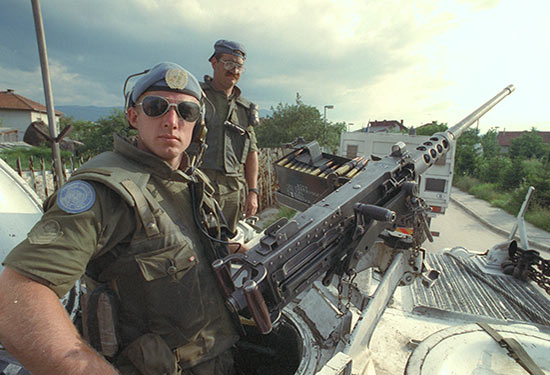
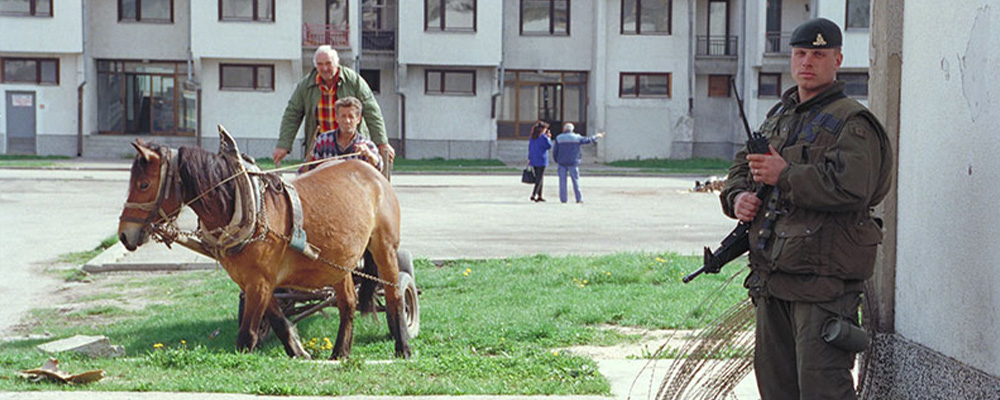
Canadian Armed Forces members escorting a convoy during United Nations operations in Bosnia-Herzegovina in 1992. Photo: Department of National Defence
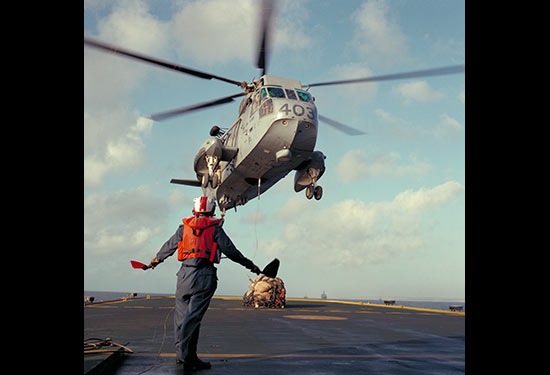
A Canadian Armed Forces Sea King helicopter transporting supplies from a warship off the coast of Somalia in 1992. Photo: Department of National Defence
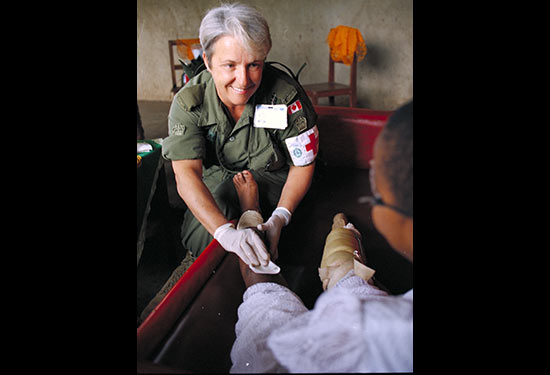
A Canadian Armed Forces medic helping a child in Rwanda in 1995. Photo: Department of National Defence
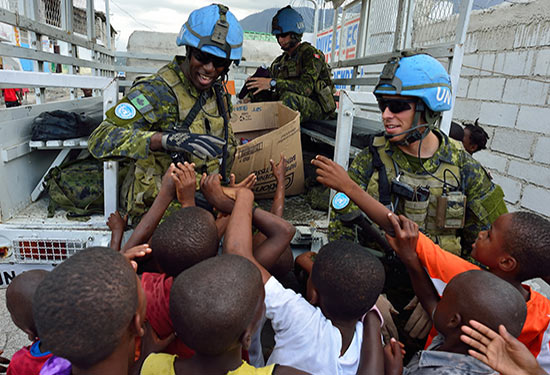
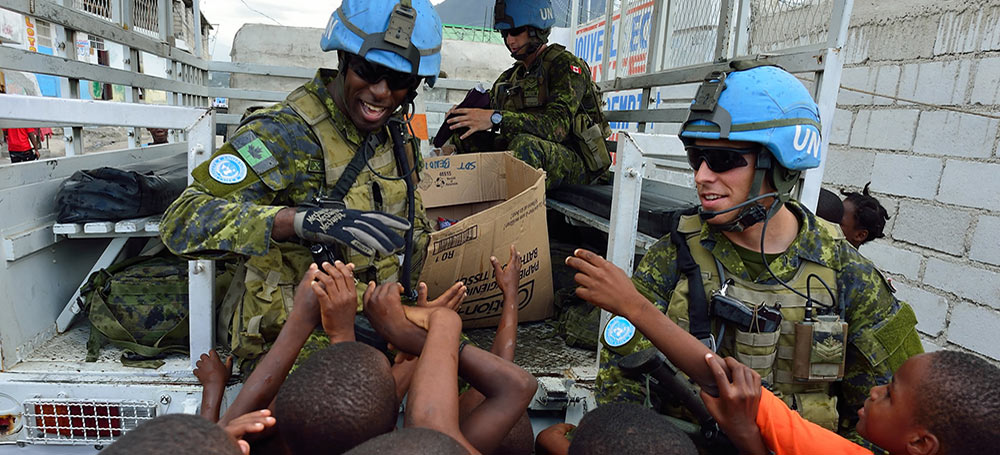
Canadian Armed Forces members giving clothes to local children in 2013 during the United Nations peacekeeping mission in Haiti. Photo: Department of National Defence
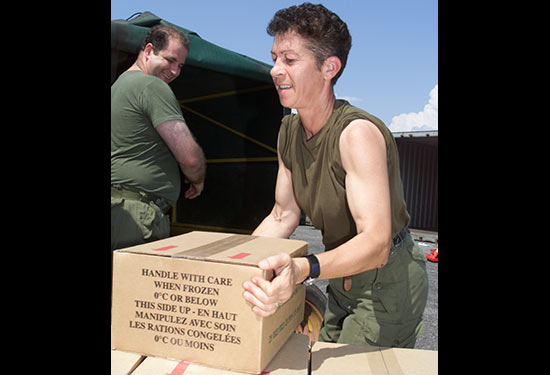
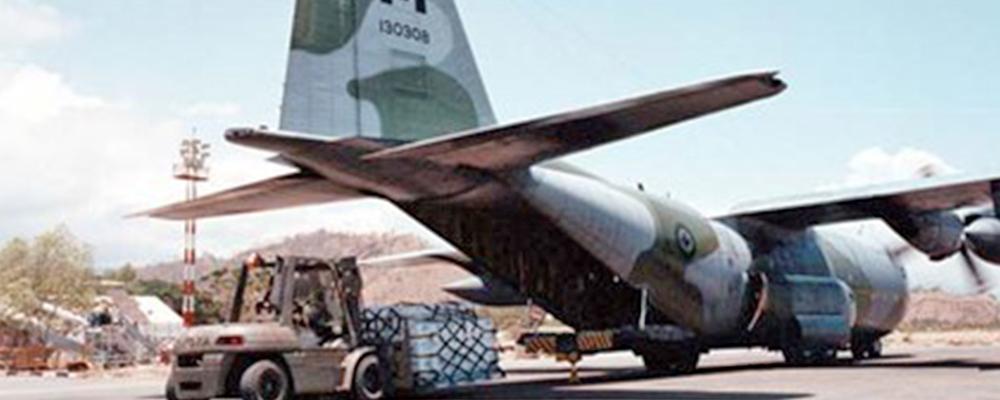
Two Canadian peacekeepers loading food supplies onto a truck during the United Nations mission in East Timor in 1999. Photo: Department of National Defence
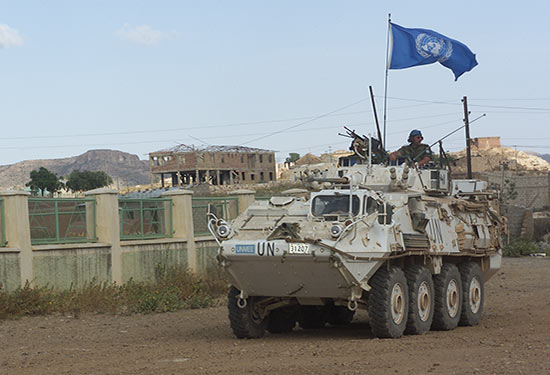
Canadian peacekeepers on patrol in 2001 during the United Nations mission to Ethiopia and Eritrea. Photo: Department of National Defence
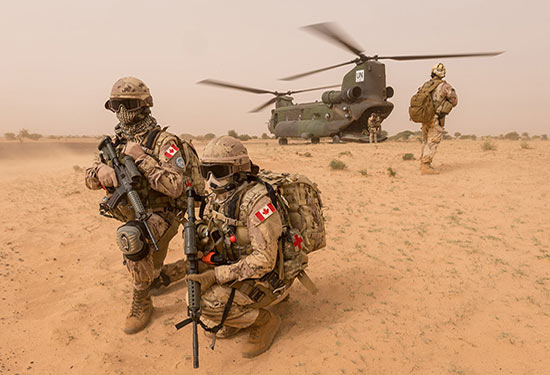
Canadian Armed Forces members providing security for a Chinook helicopter in 2018 during the United Nations peacekeeping mission in Mali. Photo: Department of National Defence
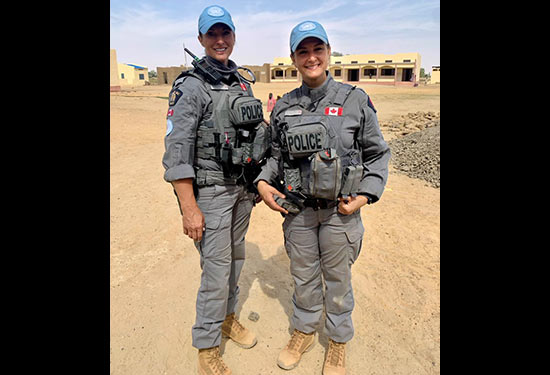
Royal Canadian Mounted Police members during a United Nations peacekeeping mission overseas. Photo: Royal Canadian Mounted Police
Canada and international peacekeeping